Laser level
Accurate leveling work depends on more than a simple line of sight. In construction, surveying, installation, and site layout, the right laser level or automatic leveling instrument helps teams establish reference heights, transfer elevations, and maintain alignment with less rework and fewer measurement errors.
Within this category, buyers can compare optical and digital level instruments as well as supporting accessories used in field measurement. The product range is suitable for contractors, survey crews, civil works, building maintenance, and technical teams that need dependable height and alignment checks in everyday operation.
Where laser and level instruments are used in practice
Leveling equipment is commonly used wherever a project needs a stable horizontal reference. Typical jobs include checking floor and foundation elevation, transferring benchmark heights, road and bridge preparation, utility installation, drainage work, formwork setup, and general site control.
These instruments are also useful beyond heavy construction. Mechanical installation teams use them when positioning equipment bases, aligning machine structures, or verifying flatness across work areas. For projects that involve broader field measurement, buyers may also review related tools such as speed sensors or other survey categories depending on the application environment.
Understanding the equipment in this category
Although the category name refers to laser level products, the available range includes several types of leveling instruments. In practical purchasing, users often compare automatic levels, digital levels, tripods, and stands together because these items work as one measurement system rather than as isolated tools.
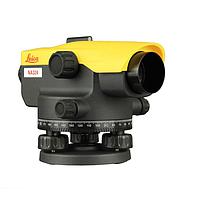
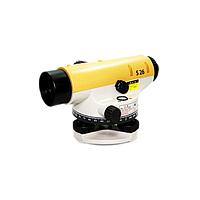
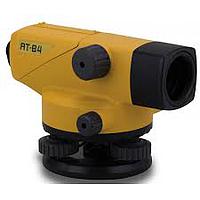
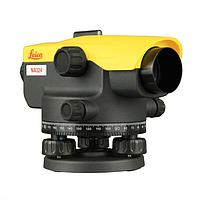
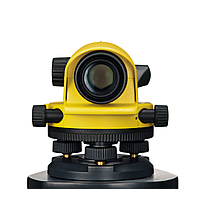
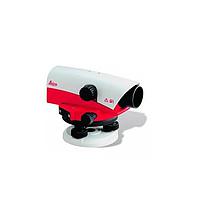
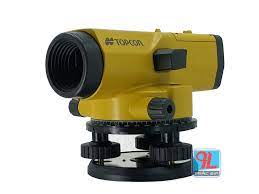
An automatic level typically uses a telescope, compensator, and horizontal reference mechanism to support geometric leveling. Models such as the TOPCON AT-B4A Auto-levels, TOPCON AT-B3A Auto Level (28X), LEICA NA332 Automatic Levels (32 x), and LEICA NA524 Automatic Levels represent this common field setup. For workflows that require faster reading and electronic data support, products like the LEICA Sprinter 150M Digital Levels (2-100m) or LEICA ZDL 700 barcode level are relevant options within the same measurement ecosystem.
Key selection factors for buyers
Choosing the right instrument starts with the job requirement, not just the model name. For routine building and civil tasks, users usually focus on magnification, leveling accuracy over distance, minimum focusing distance, environmental protection, and ease of transport between working points.
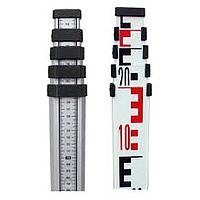
It is also important to consider how the instrument will be used on site. A compact automatic level may suit daily construction layout, while a digital model can be more practical when teams need faster staff reading, reduced manual recording, or more consistent results across repeated measurements. Accessories matter as well: a stable tripod and compatible staff or stand can directly affect measurement stability and operator convenience.
For buyers comparing brands, pages from manufacturers such as LEICA and TOPCON can help narrow the search based on preferred product families and field familiarity.
Representative products in the range
Several products in this category illustrate the different use cases clearly. The TOPCON AT-B4A Auto-levels and TOPCON AT-B3A Auto Level (28X) are typical optical instruments for general site leveling, offering field-oriented designs and practical durability for daily use. The LEICA NA332 Automatic Levels (32 x) and LEICA NA524 Automatic Levels serve similar needs, with configurations suited to standard surveying and construction measurement tasks.
For users who want a ready-to-use package, the BOSCH GOL 26D+BT160+GR500 Automatic Level Kit is notable because it groups the instrument with essential supporting components. Where digital reading is preferred, the LEICA Sprinter 150M Digital Levels (2-100m) expands capability by combining optical operation with electronic measurement support.
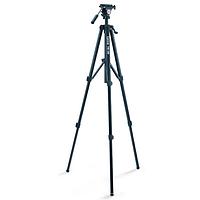
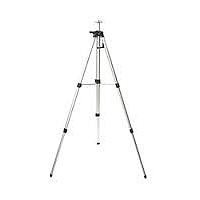
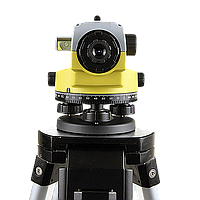
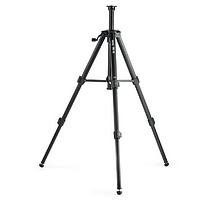
Supporting hardware is equally important. The LEICA TRI 100 Tripod and spirit level stands such as LEICA NA524-stand Spirit Level Stand or LEICA NA320-stand Spirit Level Stand play a practical role in maintaining a steady setup, especially when measurement repeatability matters.
Optical levels, digital levels, and accessories
A useful way to compare products in this category is to separate them into three groups: optical leveling instruments, digital levels, and accessories. Optical models remain widely used because they are straightforward, field-proven, and suitable for many common construction and surveying tasks. They are often preferred when crews want simple operation and dependable mechanical performance.
Digital levels are chosen when measurement efficiency and reading consistency become more important. They can reduce manual interpretation of the staff and help improve workflow in applications that involve repeated elevation transfer or documentation. Accessories such as tripods and stands are not secondary details; they are part of the complete setup that supports stable observation, correct instrument height, and smoother field handling.
Popular brands in this category
Buyers in this segment often look first at brands with established use in surveying and construction. In this category, commonly referenced names include BOSCH, LEICA, NIKON, Sokkia, and TOPCON. Each brand is associated with level instruments used for different site conditions, operator preferences, and budget or workflow requirements.
Examples in the current range include the NIKON AC-2S and Sokkia B40A Accuracy Measuring Instrument (24x), alongside the LEICA and TOPCON models already listed above. Rather than choosing by brand alone, most technical buyers compare the actual task: expected measuring distance, reading frequency, environmental exposure, portability, and whether the team needs a standalone instrument or a more complete kit.
For projects that extend into wider positioning and survey work, some users also review adjacent categories such as hydrography and oceanography survey equipment or Doppler radar when the application goes beyond standard leveling.
Practical buying advice for B2B procurement
For company purchasing, it is helpful to define the full working set before placing an order. In many cases, the instrument body is only one part of the requirement. The procurement list may also need a tripod, staff or stand, carrying case considerations, and a model that matches the field accuracy expected by the engineering team.
It is equally useful to think about operator skill level. Teams with experienced survey staff may be comfortable with traditional optical workflows, while mixed crews may benefit from simpler reading procedures or bundled kits. If the equipment will be moved frequently between projects, weight, setup speed, and protective design become just as important as pure measurement performance.
Choosing the right level for your application
The most suitable choice depends on whether your work is centered on routine construction leveling, repeated site checks, or more advanced survey data collection. Optical models remain a practical solution for many day-to-day jobs, while digital instruments are often better aligned with higher-efficiency workflows and traceable measurement routines.
This category brings together level instruments and accessories that support real field use, from compact tripods to automatic and digital levels from well-known manufacturers. If you are comparing options for construction, surveying, or industrial installation, focusing on application, operating environment, and complete setup requirements will lead to a more reliable purchase decision.
Get exclusive volume discounts, bulk pricing updates, and new product alerts delivered directly to your inbox.
By subscribing, you agree to our Terms of Service and Privacy Policy.
Direct access to our certified experts