Mainframe
When a test setup needs more channels, higher power handling, or a flexible mix of load functions, the chassis behind the modules becomes just as important as the load itself. In electronic load systems, a mainframe is the platform that powers, houses, and connects plug-in modules so the entire solution can operate as one coordinated bench or rack-ready system.
For engineers working in power electronics, battery testing, component validation, and production environments, choosing the right mainframe affects scalability, interface options, maintenance, and future expansion. This category focuses on mainframes used within modular load systems, with options from established manufacturers such as CHROMA, HIOKI, BKPRECISION, GW INSTEK, and PRODIGIT.
Why the mainframe matters in a modular load system
A modular electronic load is not defined only by its load modules. The mainframe provides the mechanical structure, internal power distribution, communication backbone, and control environment that allow multiple modules to work together reliably. In many applications, this is what turns separate load channels into a manageable, expandable test system.
This is especially relevant when the test requirement changes over time. A suitable chassis can support staged expansion, mixed configurations, and easier integration with automated benches. If you are still comparing complete load platforms, it may also help to review broader DC electronic load solutions before narrowing down the chassis format.
Typical applications for load mainframes
Mainframes in this category are commonly used wherever engineers need structured, multi-channel load capability rather than a fixed single-box instrument. Typical scenarios include DC power supply testing, converter and charger verification, battery discharge evaluation, and repetitive production-line test sequences.
They are also useful when a lab wants to standardize one platform and install different modules as projects change. In this setup, the mainframe acts as the stable base while channel count, power level, or load behavior is adjusted through compatible modules. That modular approach can simplify both procurement and long-term system planning.
What to look for when selecting a mainframe
The first practical factor is slot count and expansion capacity. A 2-slot, 3-slot, or 4-slot platform may be enough for current work, but many buyers choose based on the number of channels they expect to need over the next few years. The right decision depends on whether the system will remain a bench instrument or become part of a larger automated rack.
Another important point is communication support. In electronic load environments, interfaces such as LAN, USB, RS-232, or GPIB can affect how easily the system connects to control software, manufacturing stations, or SCPI-based automation. Thermal design, power capability, and the ability to coordinate multiple modules should also be considered, particularly in continuous-duty or high-throughput testing.
Compatibility is equally critical. A mainframe should always be selected with the intended module family in mind, since these systems are designed around specific module ecosystems rather than universal interchangeability. If energy recovery is part of your test strategy, you may also want to compare this with regenerative DC electronic load platforms, which serve a different purpose in advanced power test setups.
Examples of platforms in this category
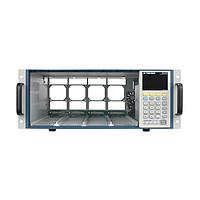
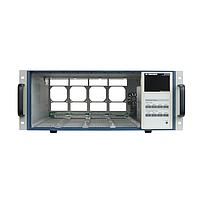
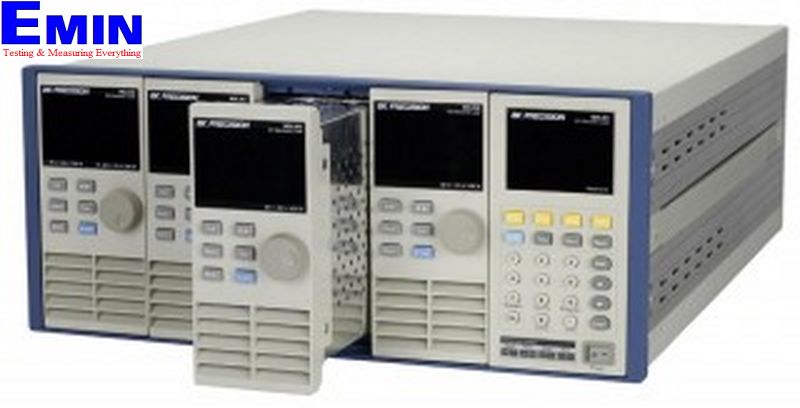
Several products in this range illustrate how different manufacturers approach modular load architecture. The BK Precision MDL001 Mainframe is designed for use with selected MDL modules and supports a multi-module configuration with common automation interfaces. For users building around the 4U MDL platform, BKPRECISION also offers the MDL4U001 mainframe and the MDL4U002 mainframe extension, which reflect a more scalable chassis approach for larger systems.
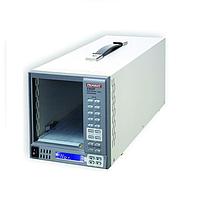
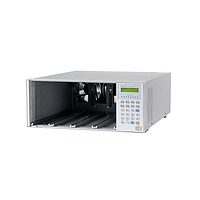
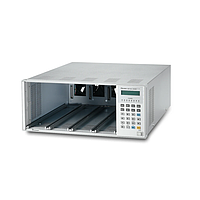
CHROMA provides models such as the 6314A DC Electronic Load Mainframe and the 6334A DC Load Mainframe, both aimed at modular, multi-slot test environments. These are suitable examples of how a chassis can support a structured load platform for bench and integration work. Buyers specifically interested in the manufacturer’s wider portfolio can explore the HIOKI and CHROMA brand pages separately when comparing ecosystem preferences, although module compatibility should remain the primary decision factor.
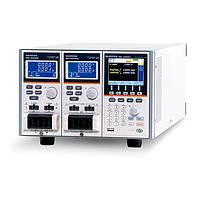
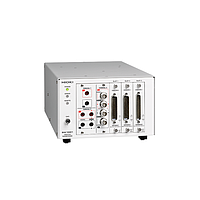
Other representative options include the PRODIGIT 3302F Single Channel Mainframe, the GW INSTEK PEL-2002A and PEL-2004A mainframes, and the HIOKI SW1001 Switch Mainframe. While not every model serves the exact same use case, these examples show that the category includes both load-oriented platforms and specialized modular control chassis used in test and measurement workflows.
Differences between load mainframes and standalone electronic loads
A standalone instrument combines control electronics, user interface, and load function in a single enclosure. That format is often convenient for straightforward bench testing, especially when one or two channels are enough. By contrast, a modular mainframe separates the chassis from the functional modules, giving users more freedom to configure the system around changing requirements.
The modular route is often preferred when channel density, mixed module types, or serviceability become more important than a simple all-in-one design. It can also make scaling easier in production or validation labs, where one standardized platform may support multiple projects. If your application is centered on broader mixed-current test capability, you may also compare with AC/DC electronic load categories to understand where modular chassis fit within the larger load landscape.
How manufacturers support different testing strategies
Although the basic role of the chassis is similar, each manufacturer tends to emphasize different strengths. BKPRECISION and CHROMA are often associated with modular DC load frameworks for scalable bench or rack systems. GW INSTEK and PRODIGIT offer mainframe-based approaches suited to users who need flexible channel configurations and programmable load behavior within defined module families.
HIOKI adds another perspective with switch mainframe architecture that supports structured measurement routing and channel management. This matters because some buyers are not simply looking for more load channels; they are building a broader test system architecture where switching, measurement coordination, and automated communication all play a role.
Choosing the right option for your lab or production line
In practice, selection usually starts with the modules you need today, then works backward to the chassis that supports them. Consider the expected number of channels, required communication methods, available installation space, and whether the system must remain flexible for future module additions. For production environments, service access and repeatable automated control are often just as important as electrical capability.
It is also worth distinguishing between short-term test needs and platform decisions. A lower-slot mainframe may be sufficient for immediate work, but a larger chassis can reduce future replacement costs if expansion is likely. Reviewing both current test procedures and planned growth will usually lead to a more efficient choice than comparing dimensions or slot count alone.
Final considerations
This category is designed for buyers who need a reliable base for modular electronic load or related test configurations. Rather than treating the chassis as a minor accessory, it is better to evaluate it as the backbone of the system: it influences expansion, connectivity, workflow, and how easily your setup can evolve over time.
Whether you are comparing CHROMA, BKPRECISION, GW INSTEK, PRODIGIT, or HIOKI solutions, the most effective choice is the one that matches your module family, control method, and long-term test strategy. A well-matched mainframe helps create a cleaner, more scalable platform for laboratory development, validation, and industrial testing.
Get exclusive volume discounts, bulk pricing updates, and new product alerts delivered directly to your inbox.
By subscribing, you agree to our Terms of Service and Privacy Policy.
Direct access to our certified experts