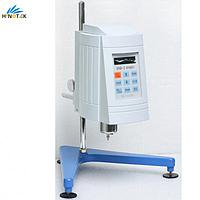
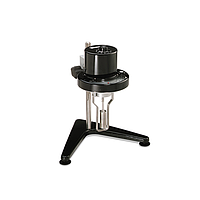
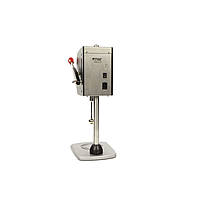
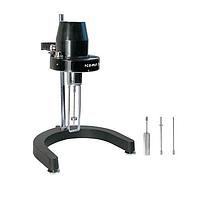
Viscosity meter
When fluid behavior affects product quality, process stability, or formulation repeatability, choosing the right instrument for viscosity control becomes essential. In laboratories, quality departments, and production environments, a viscosity meter helps evaluate how liquids flow under specific conditions, making it easier to monitor consistency and compare batches with confidence.
This category brings together instruments used to measure viscosity in liquid samples across a wide range of applications. Whether the task involves routine checking of low-viscosity fluids or evaluating thicker materials, the right setup depends on the sample type, expected measurement range, temperature sensitivity, and how the data will be used in day-to-day testing.
Why viscosity measurement matters in liquid testing
Viscosity is one of the most important physical properties in liquid analysis because it directly influences handling, mixing, pumping, coating, dispensing, and end-use performance. A small change in flow behavior can indicate formulation drift, contamination, concentration variation, or temperature-related instability.
In practical terms, viscosity measurement supports quality control, process verification, incoming material inspection, and product development. For many users in industrial and laboratory settings, it is not only a numerical test but also a fast way to confirm whether a liquid behaves as expected under controlled conditions.
What to consider when selecting a viscosity meter
The most suitable instrument is not always the most complex one. Selection usually starts with the sample itself: is it water-like, moderately viscous, or highly resistant to flow? Measuring range, spindle or sensor compatibility, rotational speed control, and temperature monitoring all play a role in getting stable and meaningful results.
Users should also consider workflow requirements such as portability, bench use, digital data output, and ease of operation. In many quality labs, repeatability and straightforward operation are just as important as broad measuring capability, especially when the device is used for routine testing by multiple operators.
Common instrument types and measurement approach
Most viscosity meters in this segment are used to determine a liquid’s resistance to flow under defined test conditions. In rotational measurement, the instrument evaluates how the sample resists movement as a spindle or measuring element rotates. The resulting value can then be interpreted alongside temperature and, where applicable, torque response.
This is particularly useful because many liquids do not behave the same way at different temperatures or shear conditions. For that reason, a good measurement routine should always define sample preparation, test temperature, spindle selection, and run conditions clearly. If your broader testing workflow also includes concentration checks, related tools such as a refractometer for liquid analysis may complement viscosity data in specialized applications.
Representative brands in this category
This category includes instruments from established manufacturers such as Anton Paar, BROOKFIELD, Cole parmer, LGC, and ATAGO, along with other recognized suppliers in laboratory and industrial measurement. Each brand is typically selected based on application fit, operating range, user preference, and the level of control needed for testing.
Some users prioritize compact portable instruments, while others need solutions suited to more demanding viscosity studies or routine bench-top inspection. Rather than focusing only on brand name, it is usually more effective to match the device to the sample behavior, expected throughput, and reporting requirements.
Example of a digital viscosity measurement solution
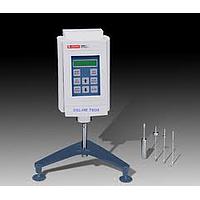
One representative product in this category is the ATAGO VISCO™-895 Digital Viscometer. This model illustrates the type of digital instrument used for measuring viscosity, kinematic viscosity, temperature, and torque percentage in a compact format suitable for practical testing work.
Based on the provided product data, the instrument supports a wide measurement range, multiple speed settings, temperature reading, and USB communication for PC output. Features like these are valuable when users need a balance between flexible measurement capability and convenient digital handling in routine laboratory or quality control environments.
How viscosity meters fit into a broader testing workflow
Viscosity data is often interpreted together with other liquid testing results rather than in isolation. Depending on the industry and sample type, users may also check pH, concentration, ionic content, or reagent-based reactions to understand the full condition of a sample.
For example, some workflows may use ion measurement electrodes for dissolved species analysis, while simpler screening tasks may rely on test paper for quick field or bench checks. In this context, a viscosity meter becomes part of a broader quality assurance system that helps verify both physical and chemical behavior.
Applications and practical buying guidance
A viscosity meter can be relevant in chemical processing, food and beverage quality control, cosmetics, coatings, inks, pharmaceuticals, water-related laboratory testing, and general R&D. The exact use case varies, but the underlying need is similar: to obtain a consistent indication of how a liquid flows under controlled conditions.
When comparing products in this category, focus on measurement range, sample behavior, required accuracy, temperature handling, ease of calibration or setup, and whether data export is needed. If your testing program includes different sample viscosities across multiple formulations, it is worth choosing a system that offers enough flexibility for both present and future routines.
Choosing the right solution for your lab or process
The right viscosity meter should make testing more repeatable, not more complicated. A practical choice is one that aligns with your sample types, operating conditions, and the level of documentation your team needs for quality records or process decisions.
By reviewing the available instruments in this category, buyers can compare digital features, measurement scope, and brand options in a more application-focused way. If you are building or refining a liquid testing workflow, this category is a useful starting point for selecting a reliable viscosity measurement solution that fits real operational needs.
Get exclusive volume discounts, bulk pricing updates, and new product alerts delivered directly to your inbox.
By subscribing, you agree to our Terms of Service and Privacy Policy.
Direct access to our certified experts