Flow calibration
Accurate flow measurement is critical wherever pumps, gas analyzers, leak testers, rotameters, and air sampling systems need to perform within specification. A reliable Flow calibration setup helps maintenance teams, laboratories, and quality departments verify actual flow against a known reference, reduce measurement uncertainty, and support traceable test procedures across production and service environments.
This category brings together instruments used to check and calibrate gas and air flow over very low to moderate ranges, from small cc/min applications up to higher LPM requirements. Depending on the process, users may need a portable field unit for sampling pumps, a pressure-and-flow platform for more advanced testing, or a reference kit for controlled laboratory calibration.
Where flow calibration is used
Flow calibration is relevant in a wide range of technical environments, including environmental monitoring, industrial process control, laboratory gas handling, leak testing, and instrument verification. In practice, the goal is not only to confirm a displayed flow value, but also to understand how the device behaves under real operating conditions such as pressure, media type, and stability over time.
For example, teams working with air sampling pumps often need compact calibrators that can be carried on site and used quickly before or after a sampling run. In contrast, calibration benches and R&D labs may need more advanced reference systems that support gas calculations, controlled test connections, and broader measurement coverage. When flow and pressure interact closely in the application, a dedicated pressure calibrator may also be relevant as part of the overall setup.
Typical instrument types in this category
This selection covers several different approaches to flow verification. Portable electronic air flow calibrators are commonly used for routine checks of pumps and low-flow devices. They are valued for quick setup, simple operation, and practical use in the field or in service workshops.
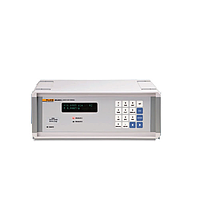
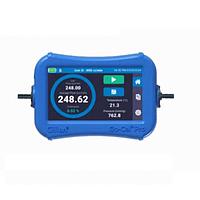
More specialized systems combine pressure and flow functions in one platform. The Furness Controls FCO560, for instance, is positioned for applications where differential pressure measurement and flow-related testing need to work together. For low-flow and leak-related tasks, the Furness Controls FCO220 provides a compact approach for digital flow measurement with calibration use in small flow ranges.
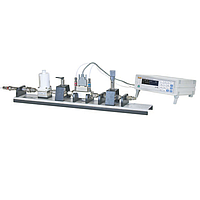
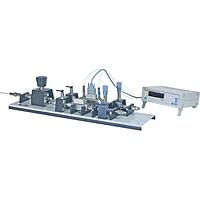
At the laboratory end of the category, reference kits such as the Fluke 5142-1K molbox RFM Gas Flow Calibrator Kit and Fluke 5144-50K molbox RFM Gas Flow Calibrator Kit are suitable when the workflow demands a more controlled reference method for gas flow calibration. For users comparing broader calibration tasks across disciplines, multifunction calibrators may be useful elsewhere in the test environment, although they serve a different purpose from dedicated flow systems.
Portable solutions for field and routine checks
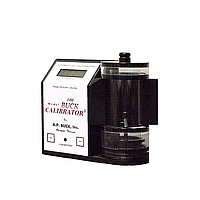
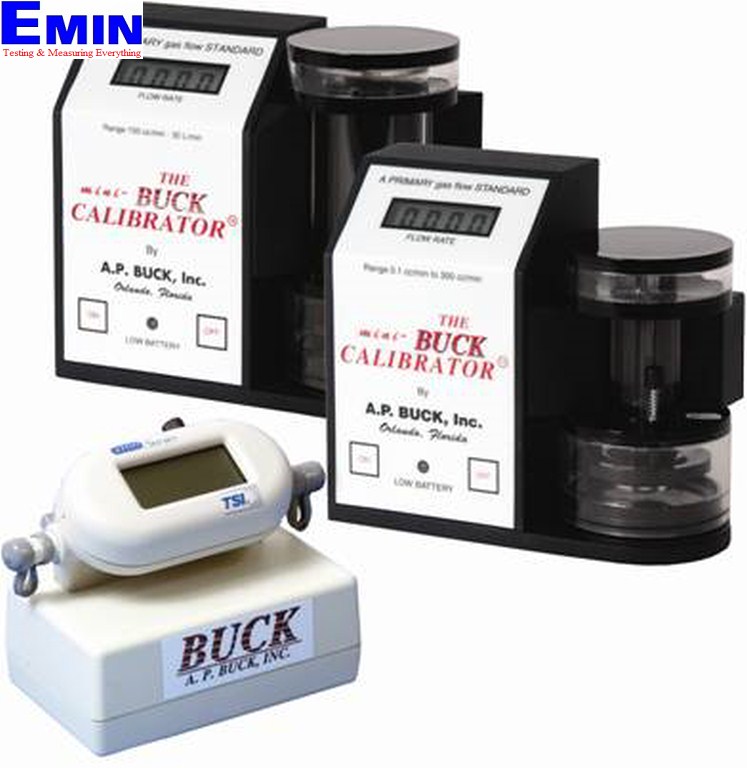
Many users searching for flow calibration equipment are looking for a balance between portability, repeatability, and ease of use. In that context, BUCK and Staplex instruments are especially relevant. Models such as the BUCK M-1, BUCK M-5, BUCK M-30, and BUCK M-30B are designed around practical volumetric flow verification for vacuum or pressure pump applications, with compact form factors that fit routine field service and industrial hygiene workflows.
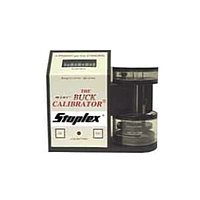
Staplex also offers portable primary electronic air flow calibrators across different ranges. The Staplex M-1A, Staplex M-5A, and Staplex M-30A illustrate how users can select a calibrator based on the expected operating range, from very small cc-level flows up to higher LPM requirements. If your work includes broader handheld process verification beyond flow alone, it may also make sense to review temperature calibrators for other parts of the instrument chain.
How to choose the right flow calibrator
The first selection factor is the flow range. A calibrator should match the real operating window of the device under test, not just its nominal maximum. Very low flow applications, such as fine leak checks or small gas dosing systems, benefit from instruments optimized for cc/min or sccm resolution. Higher flow tasks, such as pump verification or general air handling checks, require a model with enough range and stable performance at LPM levels.
The second factor is the process medium and test method. Some products in this category are intended for clean dry air or non-corrosive gas, while laboratory reference kits may support calculations for multiple gases. Connection style, allowable line pressure, and whether the workflow needs direct reading, stored data, or PC connectivity can all affect the most suitable choice.
It is also important to consider whether calibration is performed on the bench or in the field. Portable battery-powered units are convenient for routine verification and service work, while fixed or semi-portable reference systems are better suited to controlled calibration procedures. In applications where pressure, voltage, current, or temperature signals must be checked alongside flow, users may also benefit from a broader calibration strategy that includes instruments from Fluke (Calibration) or other dedicated categories.
Representative products and practical fit
The Furness Controls FCO560 is a good example of a more advanced pressure-and-flow calibration platform, especially where differential pressure behavior is directly tied to flow measurement. Its broader measurement inputs and communication options make it relevant for users working with more complex test routines rather than simple pass/fail spot checks.
For lower flow applications, the Furness Controls FCO220 focuses on small flow measurement ranges and leak-related testing. This makes it a practical option when the calibration task is closely linked to sensitivity at low flow rates rather than large-volume air movement.
On the portable side, the BUCK mini calibrator family and Staplex primary electronic air flow calibrators support day-to-day verification of air sampling and pump-related devices. The Fluke molbox RFM kits fit a different need: they are better aligned with reference-level gas flow calibration, especially where users need a structured setup built around laminar flow elements and controlled gas conditions.
Accessories and supporting items in a calibration workflow
Not every item associated with flow calibration is a calibrator itself. Some products serve as supporting components in the wider measurement chain. For example, the BUCK 37MMH-2 Filters are part of the ecosystem around air sampling and verification activities, helping support the practical setup used in testing or monitoring tasks.
In real B2B environments, calibration quality often depends on the entire setup rather than one instrument alone. Tubing, fittings, regulators, filter holders, stable power supply, and the right reference connections all influence repeatability. That is why many buyers evaluate complete workflow compatibility before selecting a specific model.
What matters for reliable calibration results
A good calibrator is only part of the answer. Reliable results also depend on stable test conditions, correct connection practice, appropriate media, and using an instrument within its intended operating range. Users should pay attention to warm-up behavior, zeroing procedure, pressure influence, and whether the application needs reference conditions that are consistent from one test to the next.
Another important point is fit for purpose. A portable air flow calibrator used for routine pump checks does not replace a laboratory gas flow reference kit, and a pressure-based calibration workflow may require complementary tools outside this category. Choosing the right level of capability helps avoid unnecessary complexity while still maintaining meaningful measurement confidence.
Conclusion
Choosing the right flow calibration equipment starts with understanding your actual flow range, medium, test environment, and required level of reference quality. This category includes practical portable units for routine verification, low-flow instruments for sensitive applications, and more advanced systems for pressure-and-flow or laboratory gas calibration work.
Whether the priority is field portability, low-flow sensitivity, or a more controlled reference setup, the best option is the one that matches your calibration method and the instruments you need to verify. Reviewing application conditions first will make it easier to narrow down the most suitable models from BUCK, Furness Controls, Staplex, and Fluke (Calibration).
Get exclusive volume discounts, bulk pricing updates, and new product alerts delivered directly to your inbox.
By subscribing, you agree to our Terms of Service and Privacy Policy.
Direct access to our certified experts