Light
Good visibility is essential for assembly, maintenance, inspection, and repair work. In many workshops and industrial environments, the right lighting tool helps technicians work more accurately, identify defects sooner, and reach confined spaces that overhead lighting cannot cover. This category brings together practical light solutions used around benches, production lines, service areas, and field work.
Instead of treating lighting as a simple accessory, many B2B buyers look at it as part of the complete tool setup. Portable flashlights, head lights, pen lights, safety torches, and replacement lamps for magnifiers each serve a different role depending on the task, the working distance, and the access conditions.
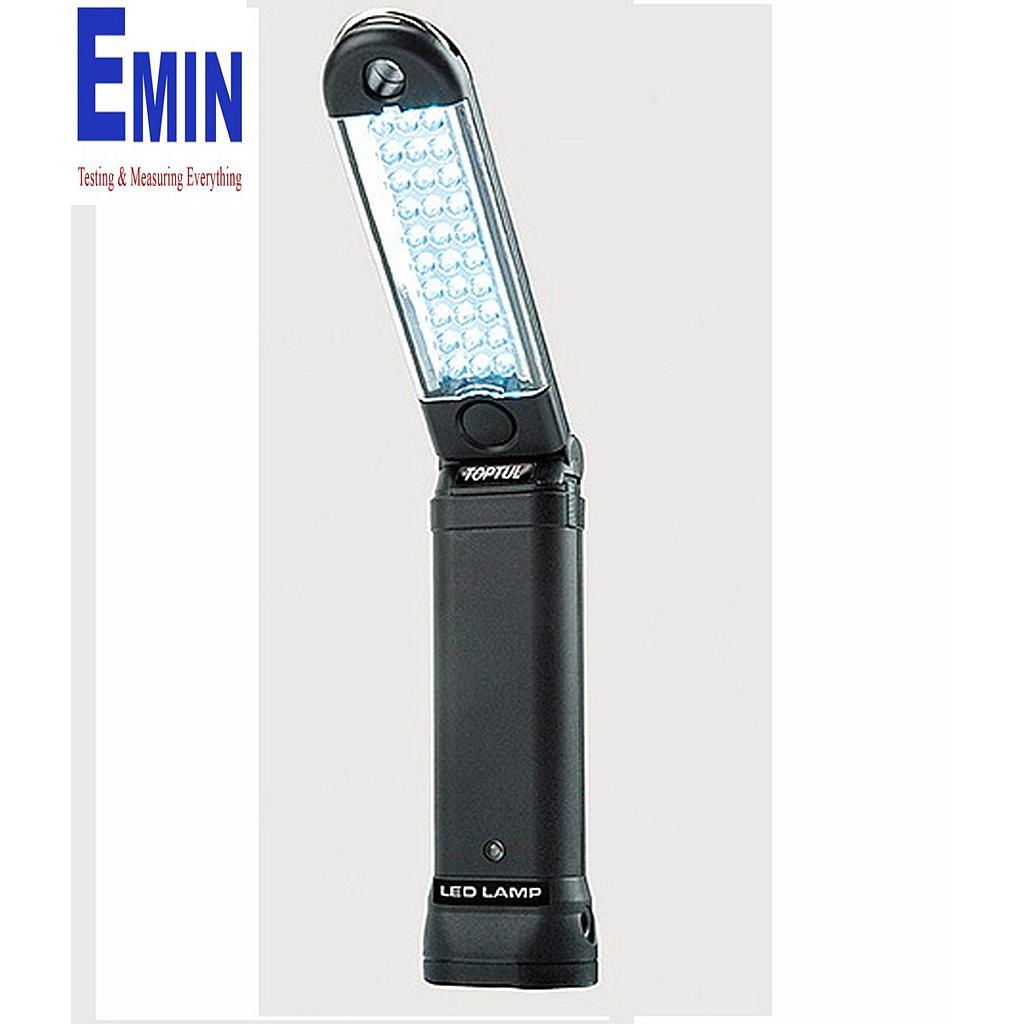
Lighting tools for assembly, inspection, and maintenance
In assembly and service work, lighting must do more than simply brighten a space. It often needs to support close visual checking, illuminate narrow cavities, or provide hands-free operation while both hands remain available for tools and components. That is why this category typically fits maintenance teams, production technicians, electronics workstations, and mechanical service applications.
For broader tool setups, lighting is often selected alongside items such as repair kits or general assembly tools, especially when building a workstation for troubleshooting or field service. Choosing the correct light source improves both efficiency and inspection consistency.
Common product types in this category
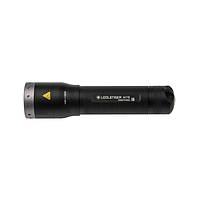
A portable flashlight is the most flexible option for general-purpose use. Models such as the Proskit FL-516 Flashlight or the Led Lenser M7R Flashlight are suitable when users need a focused beam for equipment checks, cabinet access, or temporary task lighting. In industrial settings, flashlights are commonly used for quick inspections, mechanical servicing, and utility work.
Hands-free formats are equally important. The Proskit FL-528 1W LED Head Light supports work in tight spaces where technicians need to keep both hands on components or tools. Pen-style lights, such as the TOPTUL JJAT0405S 5W COB LED Pen Light Set, are often preferred for line inspection, portable maintenance kits, and quick visual checks in low-light areas.
For safety-oriented environments, a dedicated torch such as the ELCOMETER 132 Safety Torch can be relevant where durable and simple portable lighting is needed. Larger task lighting also has its place, and the Milwaukee (tool) M18 PAL2-0 360° Rotating LED Light is an example of a work light format designed for wider-area illumination rather than a narrow inspection beam.
Specialized lighting for magnifiers and inspection systems
Not every item in this category is a standalone lamp. Some products support a wider inspection ecosystem, especially where magnification is part of the work process. Replacement bulbs such as the Proskit MA-1003 Bulb, Proskit MA-1503 Replacement Bulb, and Pro'skit MA-1215 Lamp are used to maintain desk-type magnifiers and keep visual inspection stations operating correctly.
This is particularly important in electronics assembly, soldering, rework, and detailed bench inspection. When the light source in a magnifier ages or fails, brightness and color quality can drop, making defect detection more difficult. Replacing the lamp on time helps preserve a stable inspection workflow and more reliable visual results.
Some accessories also support guided visual access. The TOPTUL JLAB0445 and JLAB0460 angle or refracting mirrors are optional attachments for image guide scope applications, helping users inspect areas that are difficult to see directly. These items are not general lights, but they play a useful role in the broader visual inspection process.
How to choose the right light for your task
A practical starting point is to define the working scenario. If the job involves general movement around a plant or machine, a compact flashlight may be enough. If the task requires both hands, a head light is often more efficient. For bench inspection or close-range component work, lighting integrated with a magnifier or replacement lamp support may be the better choice.
Buyers should also consider beam type, portability, and power source. Battery-powered lights are useful for mobile work, while larger work lights are more suitable for stationary servicing or wider-area coverage. Materials, housing durability, and environmental resistance can matter as well, especially in workshops where tools are frequently moved, dropped, or exposed to dust and splashes.
For teams that already use branded tool ecosystems, it can be practical to review solutions from Milwaukee (tool) or portable lighting from Led Lenser where application fit and existing equipment strategy align. In other cases, simpler handheld options or replacement lamps may be the more cost-effective choice for routine maintenance work.
Applications across technical and industrial environments
Lighting products in this category can support a wide range of daily tasks. In mechanical maintenance, they help technicians inspect housings, shafts, fasteners, and enclosed service points. In electrical work, they assist with panel checks, cable tracing, and identification tasks in cabinets or utility areas. In electronics, they support close visual work where shadow control and local brightness are important.
These tools are also relevant for incoming inspection, equipment servicing, and mobile field work. A technician carrying a flashlight or pen light can quickly assess a condition before unpacking larger tools. In a bench setup, replacement lamps for magnifiers help maintain precision during soldering, assembly correction, and fine-part examination.
Where a complete maintenance kit is being assembled, lighting often complements core hand tools such as a socket wrench set. This is especially useful in service operations where access, visibility, and tool readiness all affect turnaround time.
Why lighting quality matters in B2B purchasing
For business buyers, the value of a lighting product is tied to productivity and usability rather than appearance alone. A suitable light can reduce rework, shorten inspection time, and make it easier for operators to work safely in low-visibility areas. Even a relatively small accessory can have a direct effect on maintenance efficiency.
It is also important to match the product to the actual duty cycle. A compact flashlight may be ideal for routine carry, while a dedicated rotating work light serves a different purpose in repair bays or installation tasks. Likewise, replacement bulbs should be selected carefully to maintain compatibility with the intended magnifier system.
Choosing with long-term use in mind
When comparing options, it helps to think beyond the initial product type. Consider whether the light is intended for quick inspections, prolonged task lighting, or use as part of a magnified viewing setup. Also look at how easily the product fits into existing maintenance routines, storage systems, and portable service kits.
This category is best approached as a set of task-specific lighting tools rather than a single generic product group. From flashlights and head lights to work lights, safety torches, and replacement lamps, each format supports a different part of the technical workflow. Selecting the right option can improve visibility exactly where it matters most.
If you are sourcing for workshop use, maintenance teams, or inspection stations, a well-matched portable light or replacement lamp can make daily work more efficient and more consistent. The best choice depends on access conditions, required mobility, and whether the application is general illumination, close inspection, or hands-free operation.
Get exclusive volume discounts, bulk pricing updates, and new product alerts delivered directly to your inbox.
By subscribing, you agree to our Terms of Service and Privacy Policy.
Direct access to our certified experts