
Repair kit
When maintenance teams, electricians, and electronics technicians need to handle varied service tasks on site, a well-organized tool set often saves more time than any single hand tool. A practical repair kit brings together the core items needed for assembly, adjustment, disassembly, and basic troubleshooting, helping users move efficiently between electrical, mechanical, and electronics work.
On this category page, you can browse repair kits suited to different working styles, from compact starter sets to larger professional cases with dedicated compartments for pliers, screwdrivers, tweezers, stripping tools, and soldering accessories. The goal is not simply to carry more tools, but to have the right combination for the type of service work being performed.
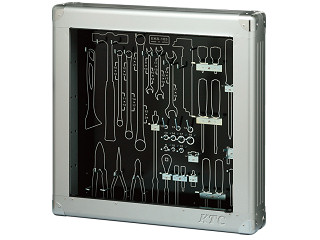
What this category is designed for
Repair kits in industrial and technical environments are typically selected based on job scope rather than tool count alone. Some sets are built for electronics bench work and include tweezers, soldering tools, desoldering accessories, and small precision screwdrivers. Others are aimed at electrical maintenance, with insulated hand tools, wire handling tools, and general-purpose service essentials.
This makes the category useful for maintenance departments, field service teams, workshop technicians, and procurement staff looking for a ready-to-use package instead of sourcing each item separately. For buyers who need a broader comparison, it can also be helpful to review related options such as a dedicated socket wrench set or a more specialized hex wrench set.
Common types of repair kits available
A compact kit is usually the best fit for light service work, mobile technicians, and routine inspection tasks. Products such as the Proskit PK-1305NB Pro's Tool Kit (41 pcs) or SATA 05166 Electrical Appliances Maintenance Comprehensive Tool Set (28 pcs) reflect this approach, combining everyday hand tools into a portable format that is easy to carry between workstations.
Larger kits are more suitable when the user needs to cover a wider range of operations without returning to the tool room. Examples include the Proskit PK-1990B-97 Electricians Tool Kit (97 pcs) and Proskit PK-15307BM Electronic Tool Kit (48 pcs, 220V), which bring together tools for gripping, cutting, measuring, stripping, and basic soldering or electronics service in one organized case.
There is also a clear distinction between general repair kits and application-specific sets. An electronics-focused kit often includes desoldering pumps, tweezers, small pliers, solder, and cleaning tools. By contrast, insulated kits such as the FLUKE IKST7 Insulated Hand Tool Starter Kit & Roll Up Tool Pouch or the TOPTUL GCZ-042A Insulated Mechanical Tool Set (42pcs) are more relevant for electrical work where user protection and tool insulation are part of the requirement.
Typical tools included in a repair kit
Most kits in this category are built around a familiar group of service tools: screwdrivers, combination pliers, long nose pliers, diagonal cutters, wrenches, tweezers, and measuring tools. Depending on the intended application, a kit may also include wire strippers, utility knives, tape measures, storage boxes for components, and small accessories that improve workflow during installation or maintenance.
For electronics repair, it is common to see soldering and rework accessories integrated into the set. The Proskit PK-9113B Repair Business Tool Kit, for example, represents the kind of kit that supports board-level or device-level service tasks with a mix of soldering tools, prying tools, tweezers, cleaning items, and hand tools for opening and reassembling equipment.
Mechanical-oriented sets may emphasize sockets, ratchets, spanners, and stronger gripping tools instead. A product such as the TOPTUL GPN-043C Tool Bag Set (43 pcs) fits users who need a portable combination of drivers, sockets, pliers, and measuring tools for general field maintenance.
How to choose the right kit for your work
The first step is to match the kit to the working environment. If the main job is appliance service, control cabinet maintenance, or electronics repair, smaller and more precise tools are usually more valuable than a large assortment of heavy-duty items. For industrial maintenance or utility work, larger pliers, adjustable wrenches, and broader driver coverage may be more important.
It is also worth checking whether the kit includes tools for electrical safety or not. Insulated screwdrivers and insulated pliers are especially relevant when technicians work around energized circuits under controlled procedures. In those cases, sets from FLUKE or insulated mechanical options from TOPTUL may be more appropriate than a general-purpose repair case.
Another practical factor is portability. A roll-up pouch, soft bag, or aluminum case each serves a different purpose. Field technicians often prefer a lighter format for mobility, while workshop users may benefit from a rigid case with trays or compartments that keep small tools and consumables organized.
Examples of brand and kit positioning
Proskit is strongly represented in this category through electronics and electrician-oriented kits that combine hand tools with service accessories such as soldering irons, solder, desoldering tools, component boxes, and precision screwdrivers. This makes Proskit particularly relevant for repair benches, training labs, appliance service, and general electronic maintenance.
SATA offers a more compact maintenance set format, suitable for users who need essential tools without the bulk of a large case. FLUKE focuses on insulated starter tools for electrical environments, while TOPTUL and YATO provide options that are often attractive for general workshop and mechanical maintenance use. For buyers who need broader hand-tool coverage beyond complete kits, the surrounding range of assembly tools and related accessories may also be worth reviewing.
When a complete kit is better than buying tools one by one
For procurement teams, buying a complete repair kit can simplify standardization across technicians or maintenance stations. Instead of building a list tool by tool, the buyer can choose a preconfigured set with an established balance of drivers, pliers, service accessories, and storage. This is often useful for new workshops, training setups, service vehicles, and expansion projects.
A complete set can also improve tool control. Cases, pouches, and compartment trays make it easier to confirm whether a tool is missing before leaving a site or closing a maintenance task. In electronics environments, that organization becomes even more important because small tools, tweezers, and soldering accessories are easy to misplace.
That said, a specialized application may still require a separate add-on set. For example, if the main service work involves fasteners with internal hex profiles, adding a dedicated hex key set can be more efficient than relying only on the contents of a general repair kit.
Who typically uses these repair kits
This category is relevant to a wide range of professional users: maintenance engineers, electricians, electronics technicians, assembly workers, service contractors, technical schools, and MRO purchasing departments. The right set depends on whether the user needs portability, insulation, precision, or broad general-purpose coverage.
Smaller kits are often suitable for routine service calls and mobile repair work. Larger boxed sets are more appropriate where one technician must cover multiple task types during installation, diagnosis, and rework. In either case, the value of a repair kit comes from task readiness—having the tools needed to start work without piecing together a kit from separate product lines.
Choosing with confidence
A good repair kit should reflect the actual work being done: electronics service, electrical maintenance, workshop repair, or mixed field support. Looking at tool mix, insulation needs, storage format, and portability will usually lead to a better choice than comparing item count alone. Representative options in this category, including Proskit, FLUKE, SATA, TOPTUL, and YATO sets, cover a range of practical needs for B2B maintenance and technical service environments.
If you are equipping a technician, a bench, or a maintenance team, this category provides a structured starting point for selecting a kit that supports safe, organized, and efficient repair work.
Get exclusive volume discounts, bulk pricing updates, and new product alerts delivered directly to your inbox.
By subscribing, you agree to our Terms of Service and Privacy Policy.
Direct access to our certified experts