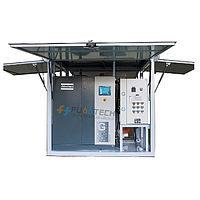
Air dryer
Moisture in compressed air is a common cause of corrosion, unstable pneumatic performance, clogged lines, and reduced product quality in industrial environments. When a system needs cleaner and more stable air, choosing the right Air dryer becomes an important step in protecting both equipment and downstream processes.
This category brings together air drying solutions for different operating scales, from compact refrigerated units for compressed air systems to higher-capacity dry air generators and related filter components. It is intended for buyers who need a practical overview of applications, selection criteria, and the types of products commonly used in pneumatic and industrial air treatment setups.
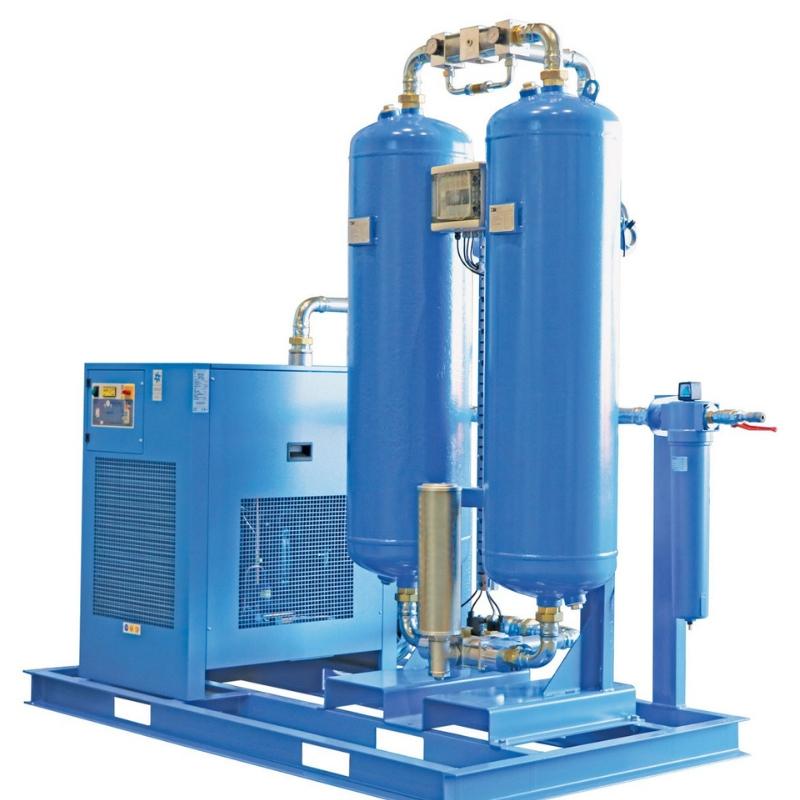
Why air drying matters in compressed air systems
Compressed air naturally carries water vapor, and that moisture often condenses as pressure and temperature change throughout the system. If it is not removed, water can reach tools, valves, hoses, and process points, leading to rust, inconsistent operation, and premature wear.
In workshops and production lines that rely on pneumatic equipment, dry air helps maintain stable performance and reduces maintenance interruptions. This is especially relevant when compressed air is supplied to applications such as air impact wrench systems or other tools that depend on clean, reliable airflow.
What you can find in this category
The range includes both complete dryers and supporting components used in air treatment systems. For example, the SMC IDFA3E-23 is a refrigerated air dryer designed for compressed air service, while several PEGASUS models are dry air generators offered in different capacities to suit broader industrial demand.
This category also includes accessories such as PEGASUS filter cups, which play a supporting role in the overall drying and filtration chain. These parts are not stand-alone replacements for a full dryer, but they are important when maintaining the performance of a dry air generator and managing contaminants within the system.
Common air dryer types and their typical use
A refrigerated air dryer is often selected when the goal is to reduce moisture in general compressed air applications with practical operating costs and straightforward installation. It cools the compressed air so that water vapor condenses and can be separated before the air moves downstream. This approach is widely used in manufacturing, assembly, maintenance workshops, and utility air networks.
A dry air generator may be more suitable when a process needs a dedicated stream of dry air for a specific production requirement or a larger air volume. Within this category, PEGASUS and DeAir examples illustrate that capacities and power requirements can vary significantly depending on the intended installation scale.
Because air quality requirements differ from one plant to another, selection should be based on process need rather than product type alone. In some systems, the dryer is installed to protect pneumatic tools; in others, it supports material handling, packaging, or temperature-sensitive production steps.
Representative products in this range
For compact compressed air treatment, the SMC IDFA3E-23 Refrigerated Air Dryer is a good example of a unit intended for compressed air service with controlled inlet conditions and a defined pressure dew point range. It fits applications where buyers need a dedicated dryer for stable downstream air quality without moving into a much larger drying system.
For higher-capacity requirements, PEGASUS offers dry air generator models such as the TMSK-20HP, TMMSK-115, TMMSK-155, and TMMSK-250. These products show how the category covers different airflow capacities, electrical configurations, and connection sizes, making it easier to match equipment with line demand.
DeAir dry machines such as the Daxwell-300S and Daxwell-600D represent another side of the category, where larger drying ranges and industrial-scale airflow handling may be required. Meanwhile, PEGASUS filter cups including the 001, 002, 004, 007, and 010 are useful examples of maintenance-related parts that support the broader air drying ecosystem.
How to choose the right air dryer
The first point to review is required airflow capacity. A dryer that is too small for the actual demand can allow moisture to pass through during peak load, while an oversized unit may increase space and energy requirements unnecessarily. Matching the dryer to realistic operating flow is more useful than choosing by nominal size alone.
Next, check inlet pressure, inlet air temperature, ambient conditions, and available power supply. The products in this category show clear variation, from 220V single-phase options to 380V three-phase models, so installation conditions should be confirmed early in the selection process.
It is also important to think about outlet air condition and the purpose of the dried air. Some users mainly want to protect downstream pneumatic equipment such as air screwdrivers and assembly tools, while others need dry air as part of a process environment. In both cases, stable operation depends on choosing a dryer that fits the actual duty rather than only the purchase budget.
Role of accessories and maintenance components
An air dryer performs best when it is part of a properly maintained treatment system. Accessories such as filter cups help trap contaminants and support cleaner airflow, which can reduce the burden on the dryer and improve consistency over time.
For example, PEGASUS filter cup models are available in several capacity ranges, allowing users to align supporting components with the size of the dry air generator in service. This matters in industrial operations where replacement intervals, line cleanliness, and pressure stability directly affect productivity.
Maintenance planning should also consider drainage, airflow restrictions, and general cleanliness of the air path. Even a well-selected dryer can lose effectiveness if filters are neglected or if the system is operated outside its intended pressure and temperature conditions.
Air dryers in the wider pneumatic equipment environment
Air treatment is closely linked to the performance of downstream pneumatic tools and devices. Dry, stable compressed air helps reduce internal corrosion, supports repeatable torque and speed behavior, and lowers the chance of water-related failure in production tools.
That is why air dryers are often considered alongside other pneumatic categories, including tools such as an air drill or finishing equipment such as an air grinder. While the dryer is not the tool doing the work, it is a key part of the infrastructure that helps those tools perform more consistently.
Final thoughts
Choosing an air dryer is ultimately about controlling moisture in a way that matches your system load, installation conditions, and air quality target. A compact refrigerated dryer, a larger dry air generator, or the right combination of accessories can all be valid choices depending on the application.
Within this category, buyers can compare practical options from SMC, PEGASUS, and DeAir across a range of capacities and configurations. If your compressed air system needs better moisture control, this selection provides a useful starting point for evaluating the right solution for reliable day-to-day operation.
Get exclusive volume discounts, bulk pricing updates, and new product alerts delivered directly to your inbox.
By subscribing, you agree to our Terms of Service and Privacy Policy.
Direct access to our certified experts