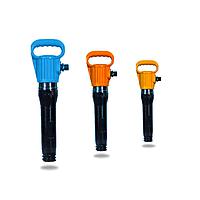
Air Hammers
When material needs to be chipped, separated, cleaned, or loosened without relying on electric power, pneumatic striking tools remain a practical choice in workshops, fabrication lines, maintenance teams, and heavy industrial environments. Air hammers are especially useful where continuous impact force, compact size, and compatibility with compressed air systems matter more than rotational torque.
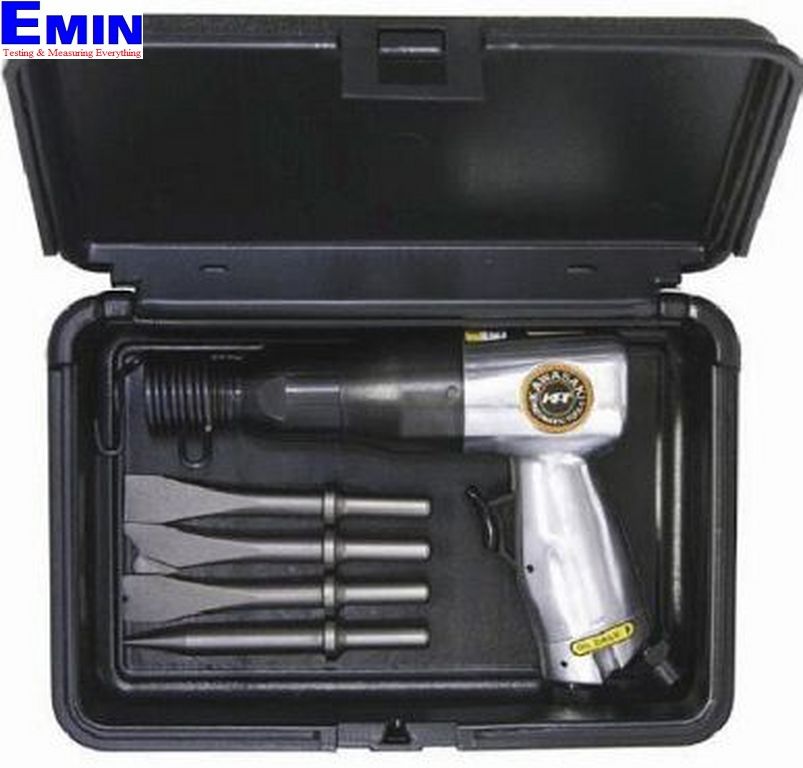
On this category page, buyers can explore air hammer solutions for metalworking, surface preparation, repair work, and general industrial maintenance. The range includes compact hammer kits, hexagonal air hammers, and heavier chipping hammers from established brands such as KAWASAKI, AIRTEC, and KOCU, making it easier to compare tool style, working format, and duty level before selecting a suitable model.
Where air hammers fit in industrial work
An air hammer converts compressed air into rapid reciprocating impact. That basic principle makes it suitable for tasks such as chipping rust, removing weld slag, breaking loose seized parts, trimming metal edges, and carrying out localized demolition or maintenance work on industrial equipment.
Compared with rotary pneumatic tools, this category is built for impact-focused applications rather than fastening or drilling. If your job requires torque for bolts and nuts, an air impact wrench may be more appropriate, while air hammers are better suited to repetitive striking and surface removal tasks.
Main product types in this category
Not every pneumatic hammer is intended for the same workload. Some tools are designed for lighter, controlled operation in service and repair environments, while others are built as chipping hammers for more aggressive material removal in industrial settings.
For example, AIRTEC models such as the AIRTEC 479 Hexagonal Hammer, AIRTEC 200 Hexagonal Air Hammer, and AIRTEC 203 Hexagonal Air Hammer Kit represent a more compact format with hex bit holders and relatively manageable tool length. These are typically relevant when users need a hand-held impact tool for tighter work areas or general-purpose maintenance.
On the heavier-duty side, KAWASAKI offers several chipping hammer options, including the KAWASAKI AA-10A, AA-15A, AA-30A, NC-0S, NC-2S, and NC-3S. These models illustrate how the category extends into higher air consumption and stronger impact formats for fabrication, foundry-related cleaning, and rougher industrial removal work.
How to choose the right air hammer
The first selection point is the intended application. Light deburring, cleaning, and repair tasks often call for a smaller body and easier handling, while thicker scale removal or prolonged chipping usually requires a heavier tool with a larger piston and stronger blow energy profile. In practice, buyers should match the tool to the expected workload rather than simply choosing the largest model available.
A second consideration is the air supply requirement. Air pressure, air inlet size, and average air consumption directly affect how well a tool will perform in real working conditions. A hammer may look suitable on paper, but if the site compressor and hose setup cannot deliver stable flow, productivity and consistency will suffer.
Tool weight and overall dimensions also matter. A lighter model may reduce operator fatigue during repetitive hand work, while a larger hammer can be better suited to tougher applications where impact performance takes priority over portability. The bit or shank format should also be checked carefully so the tool matches the accessories and chisels already used in your operation.
Examples from leading brands
AIRTEC appears in this category with compact hexagonal air hammer formats that are relevant for general workshop use. Models such as the AIRTEC 479 and AIRTEC 200 combine typical pneumatic operating pressure with a portable form factor, while the AIRTEC 203 Hexagonal Air Hammer Kit can be useful when buyers prefer a kit-based configuration for service or repair work.
KAWASAKI covers a broader spread from hammer kits to industrial chipping hammers. The KAWASAKI KPT-52K Hammer Kit is an example of a smaller hammer kit arrangement, whereas the AA and NC series illustrate progressively heavier options depending on piston size, stroke, blows per minute, and air demand. This makes the brand particularly relevant for buyers comparing lighter maintenance tools against more robust production-floor equipment.
KOCU products listed here, such as the KC-660 Twim hammer Gun 3/4" and KC-780 1" Short Twin Hammer Gun, are impact tools that may be relevant in adjacent pneumatic fastening applications. For users comparing striking tools with high-torque fastening solutions, these models help show where the boundary lies between air hammer use and heavy-duty impact wrench style operation.
Key specifications that affect performance
In this category, specifications should be read as indicators of suitability rather than isolated numbers. Blows per minute influence how rapidly the tool delivers impacts, while piston diameter and stroke help indicate the scale of the hammering mechanism. Larger values in these areas often point toward more demanding chipping work, though overall tool control and air system compatibility remain just as important.
Air consumption is another critical factor for industrial buyers managing multiple pneumatic stations. A compact air hammer with lower consumption can be easier to integrate into an existing compressed air line, while larger chipping hammers may require more attention to line sizing, regulator setup, and continuous compressor output. Weight, sound level, and vibration should also be considered for operator comfort and working environment requirements.
Related pneumatic tools for the same workflow
Air hammers are often purchased as part of a broader pneumatic tool setup rather than as standalone items. In many maintenance and fabrication environments, users combine them with air grinders for surface finishing after chipping, or with air drills when the process also involves hole preparation or assembly work.
This broader workflow view is useful for B2B procurement because it helps standardize air connections, hose sizes, and service practices across multiple tool types. Instead of choosing only by individual model, teams can evaluate how an air hammer will fit into the existing compressed-air ecosystem, maintenance routine, and operator workflow.
What to review before ordering
Before purchasing, confirm the application, air source capability, preferred tool size, and accessory interface. It is also worth checking whether the work involves intermittent maintenance use or continuous industrial duty, since that distinction often determines whether a compact hammer kit or a heavier chipping hammer is the more efficient long-term choice.
For buyers comparing products on this page, the available AIRTEC and KAWASAKI models provide a useful spread across lighter and heavier use cases. Reviewing pressure requirements, air consumption, weight, and impact format will usually narrow the selection quickly and help avoid underpowered or oversized choices.
Choosing the right air hammer is ultimately about matching impact performance to the real conditions of your job site and compressed-air system. With a category range that covers compact maintenance tools through to industrial chipping hammers, this page is designed to support a more practical and informed selection process for workshop, plant, and field-service applications.
Get exclusive volume discounts, bulk pricing updates, and new product alerts delivered directly to your inbox.
By subscribing, you agree to our Terms of Service and Privacy Policy.
Direct access to our certified experts