Air impact wrench
Fastener work becomes much easier when high torque, repeatable performance, and short cycle time are all needed at once. In workshops, maintenance teams, tire service bays, and industrial assembly environments, an air impact wrench is often the practical choice for loosening tight bolts and driving fasteners efficiently with compressed air power.
This category brings together pneumatic impact tools suited to different torque ranges, drive sizes, and working styles. Whether the priority is compact access, general-purpose fastening, or heavier-duty bolt removal, the right tool depends on torque demand, air supply quality, ergonomics, and the type of socket system used in daily work.
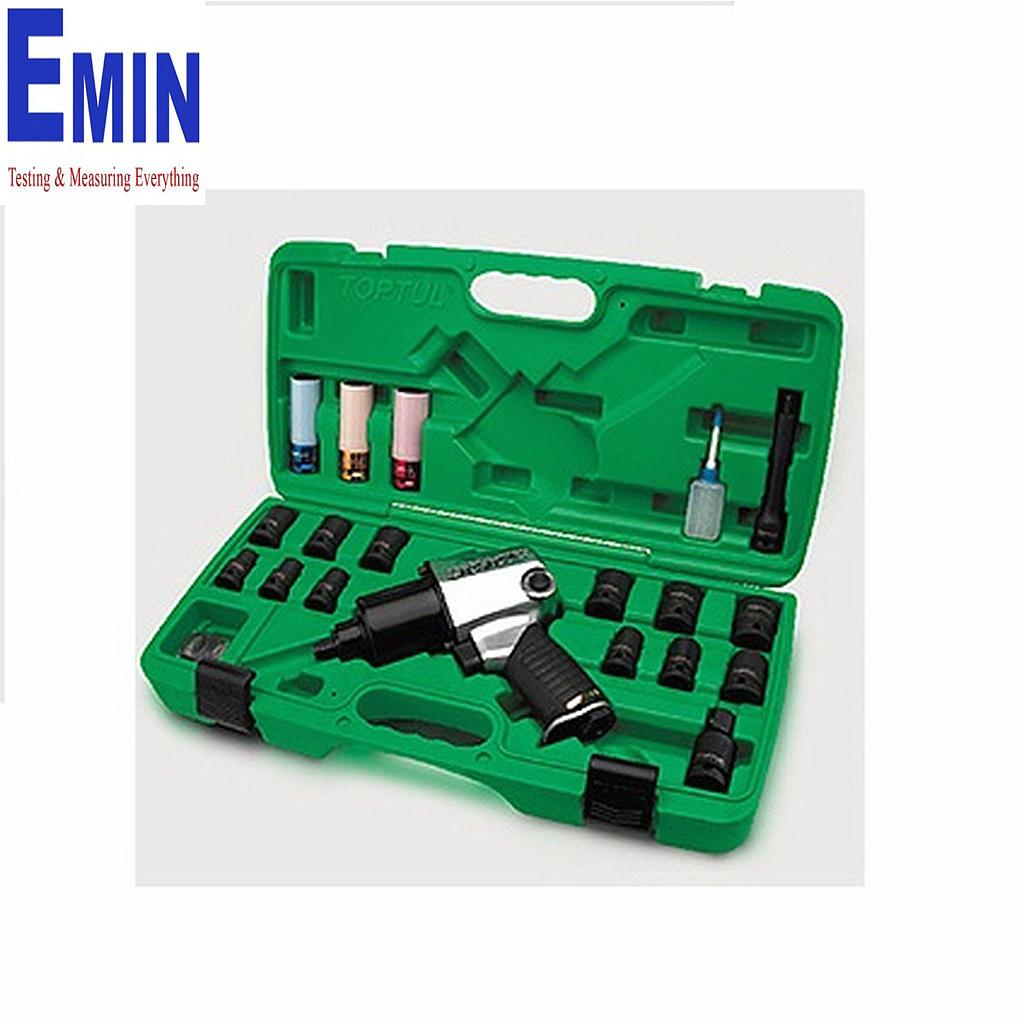
How an air impact wrench works in real use
An air impact wrench converts compressed air into rotary motion and repeated hammering action. Inside the tool, the air motor spins a mechanism that stores and releases short bursts of torque, allowing the wrench to break loose stubborn fasteners more effectively than a standard rotary tool.
This impact mechanism is especially useful when dealing with corroded bolts, wheel nuts, machinery maintenance, or assembly tasks where manual effort would be slow and inconsistent. Compared with non-impact tools, the hammering action helps transfer torque in pulses, which improves fastening power while reducing the amount of continuous reaction force felt by the operator.
Typical applications across maintenance and production
Air impact wrenches are widely used in automotive service, equipment repair, steel structure work, and general industrial maintenance. They are well suited for repetitive bolt tightening and removal, especially where compressed air is already available and uptime matters.
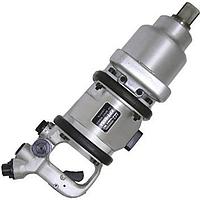
In lighter tasks, a compact 3/8" or 1/2" model can support routine mechanical work and service operations. For higher torque applications, more robust tools are used for larger fasteners, seized joints, or demanding disassembly work. In the same pneumatic ecosystem, teams may also use air drills for hole-making and air grinders for surface preparation and finishing, depending on the workflow.
What to consider when choosing the right model
The first selection point is usually torque requirement. A tool that is too small may struggle with stubborn fasteners, while an oversized model can be less comfortable for repetitive work and may not be ideal for controlled applications. Drive size also matters, since it affects socket compatibility and the kind of jobs the tool can handle efficiently.
Air supply conditions are equally important. Pneumatic tools depend on stable working pressure, proper hose sizing, and adequate air flow. If the compressor, hose, or fittings are undersized, even a high-torque wrench may not perform as expected. Buyers should also consider overall length, weight, and handling comfort, especially for technicians working in tight spaces or over longer shifts.
For buyers comparing alternatives, it may also be helpful to review related fastening tools such as pneumatic multipliers when controlled high torque is needed in a different working format.
Examples from this category
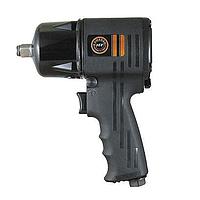
Several products in this range illustrate how air impact wrenches can cover different usage levels. The SATA 01113A Pneumatic Impact Wrench is a general-purpose 1/2" model with torque capacity suited to common maintenance work, while maintaining a working profile familiar to service technicians.
TOPTUL is represented by multiple configurations, from compact and standard-duty 1/2" tools to higher-output super duty versions. Models such as the TOPTUL KAAQ1650, KAAX1660, and KSAC1680 show how users can move from more compact formats toward stronger torque performance depending on the fastening task. For buyers who want a ready-to-use kit rather than a bare tool, sets like the TOPTUL GDAI1001E and GDAI2002E combine the wrench with impact sockets and air accessories, which can simplify deployment in maintenance environments.
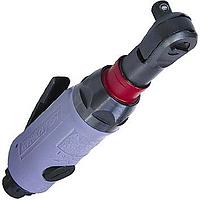
This category also includes ratchet-style cordless examples from Milwaukee (tool), such as the M12 FIR38LR-0 and M12 FIR12-0, which are useful references for access-limited fastening work. While they serve a different power platform and working style from pneumatic impact wrenches, they highlight an important buying consideration: access, torque, and mobility should always be balanced against job requirements.
Air impact wrench sets versus standalone tools
A standalone impact wrench is often the right choice when the user already has suitable impact sockets, lubrication accessories, and air fittings in place. This can be more flexible for maintenance teams that standardize tooling across several technicians or job stations.
A tool set can be more practical when building a new workstation or supplying field service teams. Sets that include sockets, oil pots, mini oilers, or connection fittings help reduce setup time and improve compatibility from the start. The value is not only in convenience, but also in ensuring that the pneumatic tool is used with appropriate supporting accessories.
Practical operating factors that affect performance
In daily use, impact wrench performance depends on more than the catalog torque figure. Hose inner diameter, connector restrictions, line pressure, and lubrication practice all influence how the tool behaves under load. A well-matched air system helps maintain speed and striking force, especially during repetitive heavy-duty loosening.
Noise and vibration should also be considered in busy workshops. Higher-output pneumatic tools can generate significant sound and operator fatigue if used continuously without proper control measures. For this reason, buyers often evaluate not only torque and speed, but also tool balance, trigger feel, and suitability for the intended duty cycle.
Where fastening tasks extend beyond bolt removal and installation, related tools such as air screwdrivers may be more suitable for lighter assembly operations requiring speed and repeatability rather than impact torque.
Maintenance and good practice
Routine care helps extend tool life and keeps output more consistent. Clean, dry air supply is important, and many users also apply lubrication according to the tool maker's recommendations. Checking fittings, monitoring hose condition, and using impact-rated sockets are simple but essential steps for safer operation.
It is also good practice to match the wrench to the fastener and avoid using a high-torque impact tool where a more controlled tightening method is required. In many industrial settings, impact wrenches are used for fast run-down and removal, while final torque verification is handled with dedicated torque tools when process control is critical.
Choosing with confidence
This category is built for users who need a dependable pneumatic solution for bolt tightening and removal, from everyday service work to more demanding maintenance jobs. The main differences usually come down to torque range, form factor, air consumption, and whether a bare tool or complete kit better fits the application.
By comparing tool size, air requirements, and the type of fastening work involved, buyers can narrow the selection more effectively and avoid underpowered or over-specified choices. A well-matched air impact wrench supports faster work, better operator efficiency, and smoother integration into an existing pneumatic tool setup.
Get exclusive volume discounts, bulk pricing updates, and new product alerts delivered directly to your inbox.
By subscribing, you agree to our Terms of Service and Privacy Policy.
Direct access to our certified experts