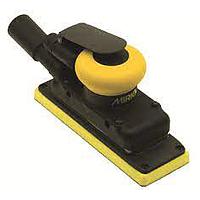
Orbital sander
Achieving a consistent surface finish often depends as much on the right sanding motion as on abrasive quality. For workshops, maintenance teams, furniture makers, and finishing contractors, an orbital sander is a practical choice when smooth material removal, reduced swirl marks, and better handling are important across wood, metal, filler, paint, or composite surfaces.
Within this category, buyers can compare compact electric units, pneumatic options, larger wall or surface sanding machines, and related sanding formats used for different stages of preparation and finishing. The result is a more flexible tool setup for rough stock removal, intermediate smoothing, and final surface preparation before coating or polishing.
Where orbital sanders fit in surface preparation
An orbital sander uses a small circular or oscillating sanding movement to improve surface uniformity while keeping the tool relatively easy to control. In day-to-day work, this makes it useful for tasks such as smoothing wood panels, refining putty or filler, preparing painted parts for recoating, and reducing manual sanding time on repeat jobs.
Compared with more aggressive sanding methods, orbital action is often preferred when the priority is a balanced finish rather than rapid stock removal. That is why these tools are commonly selected for fabrication shops, interior finishing, automotive refinishing support, and maintenance environments where operators need reliable finishing performance on flat or gently contoured surfaces.
Different tool formats in this category
This category is not limited to one exact machine style. It includes compact random orbital and vibration-type sanders for general finishing, pneumatic sanders for workshops already using compressed air, belt-oriented sanding machines for more linear material removal, and larger-format options intended for broader wall or panel work.
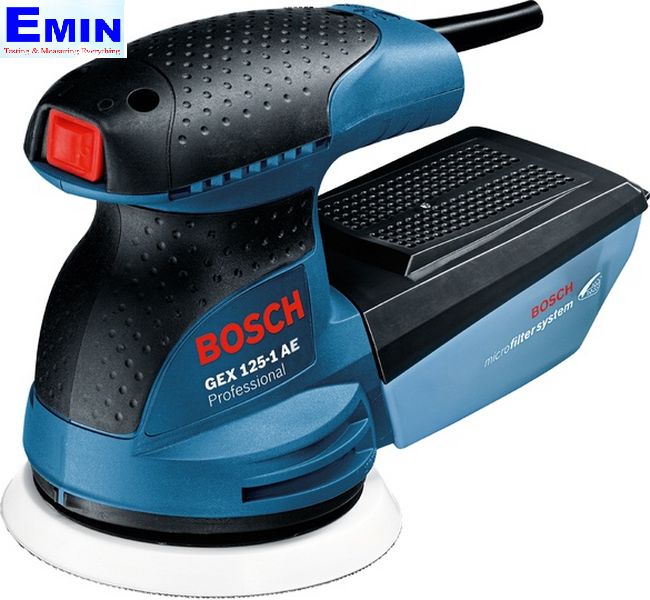
For example, the BOSCH GEX 125-1 AE Orbital Sander Random (250W) represents a common electric random orbital format for controlled finishing. The Yato YT-0967 Air sander suits users who prefer air-powered tools in continuous-duty shop environments, while larger machines such as the FEG EG-316 are more relevant where wide-area sanding efficiency matters.
Typical applications across industrial and workshop use
Surface finishing requirements vary widely by material and process stage. In woodworking, orbital sanders are used to level surfaces before staining, varnishing, or painting. In metalworking and maintenance, they can assist with paint preparation, deburring light surface irregularities, and blending repair areas before coating.
They also support renovation and construction workflows, especially where plaster, filler, and previously painted surfaces must be prepared without excessive gouging. For users who need a broader tool chain for fabrication and maintenance, related equipment such as drill machines may also be relevant alongside sanding tools in the same workshop environment.
Examples from leading manufacturers
Buyers often compare tools by operating style, working area, and available power source rather than by brand name alone. Still, established manufacturers can provide a useful reference point when evaluating overall product range and tool ecosystem. In this category, brands such as BOSCH, MAKITA, HITACHI KOKI, YATO, and FEG appear across different sanding formats and use cases.
Illustrative products include the Hitachi FSV10SA sanding machine for compact finishing work, the MAKITA GV6010 Disc Sander for disc-based sanding applications, and the MAKITA DBS180Z Cordless Belt Sander for users who need mobility and belt sanding capability in tighter spaces. FEG models such as EG-388, EG-360, EG-601, and EG-603 show how this category also extends into vibration and belt sanding tasks rather than only one tool geometry.
How to choose the right orbital sander
The most effective selection usually starts with application type. If the main task is finish sanding on wood panels or painted surfaces, a compact random orbital unit is often a practical option. If the job involves larger wall areas or broad filler preparation, a higher-power, larger-diameter machine may be more suitable. For workshops with an established air system, a pneumatic sander can be attractive for reduced motor weight and continuous operation.
Buyers should also consider abrasive size, working speed, tool weight, and handling comfort over long shifts. A lighter tool can improve operator control on vertical or overhead work, while variable speed helps when switching between delicate finishing and more active material removal. Where workshop tasks extend beyond sanding into hole making or installation work, complementary accessories such as hole saw products may also be part of the same procurement plan.
Electric, pneumatic, cordless, and specialty sanding options
Electric sanders are widely used because they are easy to deploy and suitable for general-purpose finishing. Models like the BOSCH GEX 125-1 AE offer a straightforward setup for workshops and on-site use. They are often selected when users want stable performance without depending on an external air supply.
Pneumatic sanders, such as the Yato YT-0967 Air sander, are commonly chosen in body shops or industrial maintenance areas where compressed air is already available. Cordless alternatives, represented here by the MAKITA DBS180Z, are useful when portability matters or when movement around large assemblies would make cables less convenient. Specialty machines, including disc and belt types, help cover more demanding stock removal or shape-specific finishing tasks.
What to evaluate before purchasing
Before ordering, it is worth checking the surface material, expected duty cycle, available power source, and the finish standard required by the process. A tool used for occasional repair work may be very different from one intended for routine production sanding. Pad size, sanding path, speed range, and overall ergonomics all influence productivity and finish consistency.
It is also sensible to review the broader tool platform offered by the manufacturer, especially if your team prefers to standardize procurement and maintenance around one supplier. Users comparing wider brand portfolios can also browse the MAKITA range for related sanding and finishing tools within the same ecosystem.
Building a more practical sanding setup
A well-chosen orbital sander helps reduce rework, improve finish quality, and make surface preparation more predictable across different jobs. Whether the requirement is a compact random orbital tool, a pneumatic shop sander, a belt-format machine, or a larger-area sanding solution, the key is matching the machine format to the material, work area, and operating environment.
This category brings together multiple sanding approaches so buyers can compare tool types, manufacturers, and example models in one place. If you are selecting for workshop use, site finishing, or maintenance operations, focusing on motion type, control, power source, and intended finish level will lead to a more suitable choice.
Get exclusive volume discounts, bulk pricing updates, and new product alerts delivered directly to your inbox.
By subscribing, you agree to our Terms of Service and Privacy Policy.
Direct access to our certified experts