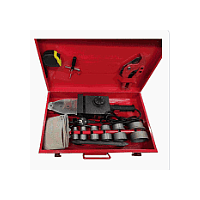
Pipe Heat Welding Machine
Joining thermoplastic piping in the field or on-site installation work depends heavily on stable heat, correct die size, and a tool that is easy to handle. For installers working with PP-R, PE, or similar plastic pipe systems, a Pipe Heat Welding Machine helps create consistent socket fusion joints without adding unnecessary complexity to the job.
This category focuses on portable heat welding tools used for plastic pipe connection in construction, plumbing, maintenance, and small workshop applications. The range includes compact models for common pipe sizes as well as higher-power options suited to larger diameters, making it easier to match the tool to the actual installation requirement.
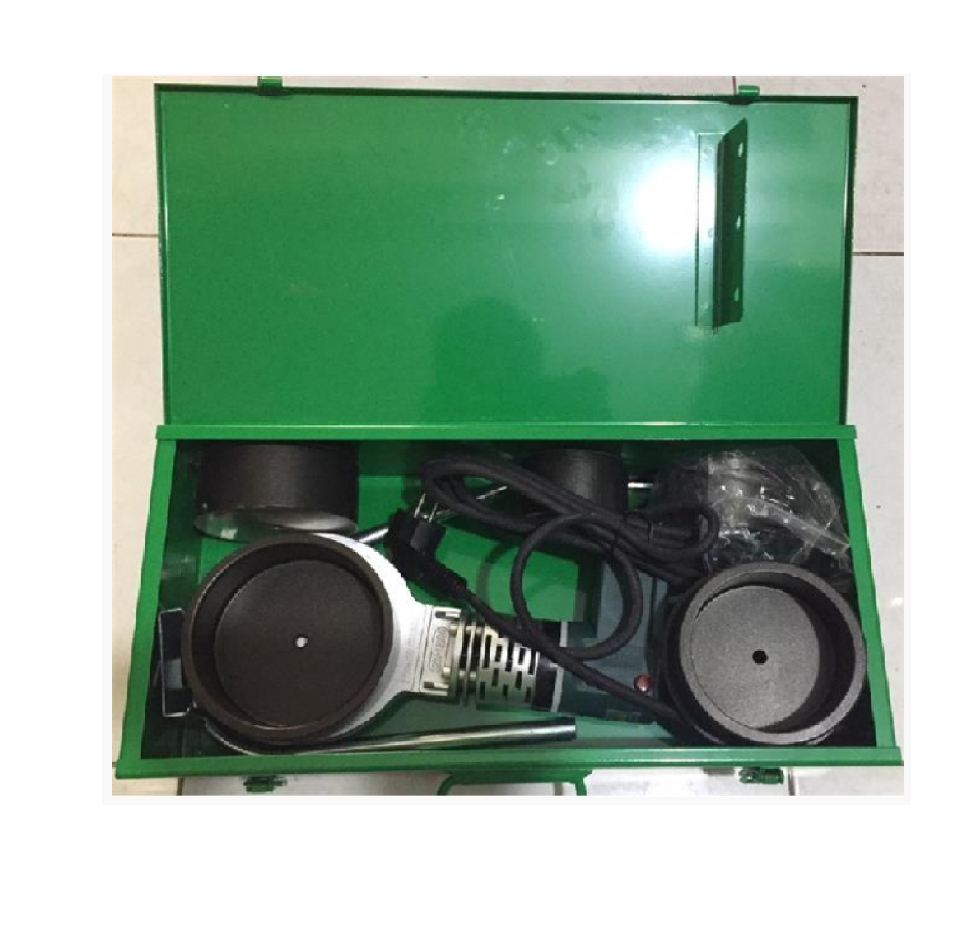
Where pipe heat welding machines are commonly used
These tools are typically selected for thermoplastic pipe joining where a reliable heated connection is required. Common use cases include water supply installation, building services, light industrial piping, repair work, and general plumbing tasks involving PP-R or related materials.
Compared with more general heating tools, a dedicated plastic pipe welder is built around matched heating dies and a controlled heating surface. That makes the process more repeatable, especially when technicians need to work across several pipe diameters during one installation project.
What matters when choosing the right machine
The first consideration is usually pipe diameter range. Smaller portable units are practical for common installation sizes such as 20 mm, 25 mm, and 32 mm, while larger jobs may require a machine that can cover bigger diameters with higher power output and a broader die set.
Another key factor is power and heat response. In day-to-day work, faster heating can improve productivity, but usability also depends on handling, weight, included accessories, and whether the machine is supplied in a protective case for transport between jobs.
Buyers should also review the working environment. For mobile installation crews, a compact unit with a simple stand and essential dies may be the better fit. For repeated use across multiple pipe sizes, it can be more efficient to choose a model that arrives as a more complete kit.
Representative models in this category
Several products in this category illustrate the typical selection logic. The ASAKI AK-9300 Electronic Constant Temperature Hot Melt Machine is a compact 600 W option intended for thermoplastic pipe connection, covering common die sizes such as 20 mm, 25 mm, and 32 mm. Its included accessories support basic field use, which can be useful for light installation and maintenance tasks.
For users who need a wider die range, the ASAKI AK-9301 and ASAKI AK-9302 PP-REL heat-resistant plastic pipe welding machines are 800 W models supplied with six welding heads from 20 mm up to 63 mm. This type of configuration is often more suitable when one machine needs to serve multiple pipe sizes on construction or service sites.
Within the Dekko lineup, the D110 PPR Heat Welding Machine is positioned around diameters from 20 to 50, while the D63 PPR Heat Welding Machine is used for larger sizes from 63 to 110. For users comparing compact tools with higher-capacity options, this difference in size coverage is often more important than the product name alone.
Brand options for different installation needs
ASAKI is relevant for buyers looking for practical portable machines with common accessory sets and transport-friendly packaging. In many purchasing scenarios, these models appeal to technicians who want a straightforward tool for routine thermoplastic pipe joining.
Oshima adds another option for users who need a broader adjustable temperature context and higher power range. The Oshima HON 1500 plastic pipe welding machine is listed with 220 V / 50 Hz operation and a working temperature range up to 300, which may suit users evaluating flexibility for general installation work.
Dekko, meanwhile, is useful to consider when pipe diameter range is the main decision factor. Instead of comparing tools only by wattage, many professional buyers start by mapping actual pipe sizes used on the job, then choose the machine family that aligns with those dimensions.
Related tools that support installation work
Pipe joining rarely happens in isolation. During site preparation or system modification, teams may also need tools for drilling, surface access, or material preparation. Depending on the task, it may be helpful to review a drill machine for installation work or a hole saw when pipe routing requires clean openings through panels or surfaces.
For heating and joining tasks outside plastic pipe fusion, some buyers also compare other thermal hand tools such as a soldering iron. While the application is different, this broader comparison can help purchasing teams separate dedicated pipe fusion equipment from more general-purpose heating tools.
How to select for maintenance teams, contractors, and resellers
For maintenance teams, the priority is often portability and fast setup. A lighter machine with standard dies for frequently used pipe sizes can reduce downtime during repair work. If the application mainly involves small thermoplastic lines, a compact constant-temperature hot melt unit may be sufficient.
Contractors working across varied project scopes usually benefit from a more flexible kit. A machine supplied with multiple welding heads and a sturdy carry case can simplify transport and reduce the need to source accessories separately. For larger-diameter work, moving up to a higher-power model is generally the more practical route.
For resellers and B2B buyers, it is worth evaluating each product by application band rather than by headline power only. The most useful comparison points are pipe size compatibility, included heads or accessories, portability, and how well the tool fits the installer’s typical workflow.
Practical buying considerations before ordering
Before selecting a machine, confirm the pipe material family being used, the diameter range required on site, and whether a basic or expanded accessory set is needed. It is also sensible to check whether the machine will be used occasionally for repair work or regularly as part of installation volume.
A well-matched plastic pipe welding tool should support consistent heating, practical handling, and the right head sizes for the job. Looking at those basics first will usually lead to a better decision than comparing product names alone.
Whether you are sourcing for a contractor, maintenance team, or trade supply business, this category provides a focused selection of tools for thermoplastic pipe joining. Choosing by diameter coverage, portability, and working style will make it easier to find a machine that fits real installation needs rather than a generic specification list.
Get exclusive volume discounts, bulk pricing updates, and new product alerts delivered directly to your inbox.
By subscribing, you agree to our Terms of Service and Privacy Policy.
Direct access to our certified experts