Refrigerant Recovery Device
When refrigerant needs to be removed from an air conditioning or refrigeration system, speed is only one part of the job. Technicians also need controlled recovery, compatibility with common refrigerants, and equipment that fits real service conditions in maintenance, repair, and system retrofit work. That is why choosing the right Refrigerant Recovery Device matters for both workflow efficiency and safer HVAC handling.
On this category page, you can explore recovery equipment used for extracting refrigerant from commercial and industrial HVAC systems. The range is relevant for service teams working with routine maintenance, troubleshooting, refrigerant changeover, and preparation for further testing with tools such as HVAC manifolds and gauges.

Where refrigerant recovery devices are used
Recovery equipment is typically used before repair, replacement of components, refrigerant recycling, or system decommissioning. In practice, these devices help transfer refrigerant from a system into an external cylinder so that technicians can work on compressors, valves, piping, or other service points without venting refrigerant.
This makes them relevant in a wide range of HVAC tasks, from split air conditioner servicing to work on larger refrigeration systems. They are also commonly part of a broader toolset that may include leak detection instruments, vacuum equipment, and refrigerant gas detectors for diagnosis and maintenance planning.
What to look for when selecting a recovery unit
A practical selection starts with the refrigerants used in your service environment. Many users need support for common types such as R22, R32, R134a, R404A, R407C, R410A, or newer refrigerants depending on the systems being maintained. It is also important to check connection format, operating power supply, and whether the unit is designed around an oil-free compressor, which is often preferred for clean and efficient recovery work.
Another key point is recovery performance under different operating modes. Product data may distinguish between liquid recovery, push/pull recovery, and vapor extraction. These figures help indicate how the unit will behave in real service situations, especially when technicians deal with larger refrigerant volumes or need to reduce downtime during maintenance.
Typical product options in this category
Among the representative models, PCE offers recovery devices suited to HVAC service environments where pressure monitoring, portability, and compatibility with multiple refrigerants are important. The PCE RRM 250 Refrigerant Recovery Device supports pressure measurement up to 38.5 bar and is built around an oil-free, air-cooled piston compressor, making it a relevant option for general refrigerant extraction tasks.
Another example is the PCE-RRU 10, which combines broad refrigerant compatibility with a backlit LCD interface and multiple unit displays. For users comparing solutions for routine field work, these details can be useful when readability, handling, and operating convenience matter alongside raw recovery rate.
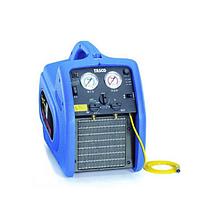
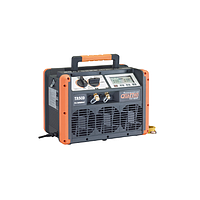
TASCO is also represented in this category with models such as the TA110VF-EXP Refrigerant Recovery Machine and the TA110X-220P Fluorocarbon Refrigerant-Recovery Equipment. These products are relevant for technicians looking for dedicated refrigerant recovery tools for fluorocarbon-based HVAC service applications.
Performance factors that affect day-to-day use
In field service, actual recovery results depend on more than the headline flow rate. Refrigerant type, ambient temperature, hose layout, cylinder condition, and whether the process is liquid or vapor recovery all influence operating speed. A unit with clear pressure indication, overload protection, and suitable shut-off behavior can help technicians maintain more stable working conditions.
Portability is another practical consideration. Compact dimensions and manageable weight are often important for service teams moving between job sites, rooftops, plant rooms, or commercial buildings. If the device will be used frequently in mobile maintenance, features such as carrying arrangements, accessible controls, and straightforward hose connection become especially relevant.
How recovery devices fit into the broader HVAC tool chain
Recovery is usually one step in a larger service process rather than a standalone task. After refrigerant removal, technicians may continue with leak inspection, pressure checks, evacuation, repair, and charging. For that reason, many buyers evaluate these devices as part of a complete HVAC tooling setup instead of comparing recovery speed alone.
If you are building out a more complete service kit, it may also be useful to review electrical refrigeration tools used for diagnostic and maintenance work around compressors, controls, and associated HVAC components. This broader view often leads to a more practical purchasing decision for workshops and service contractors.
Choosing the right model for your application
For lighter or general-purpose service work, a compact unit with multi-refrigerant support and standard 1/4 inch SAE connections may be a sensible starting point. For heavier workloads, users may prioritize stronger compressor output, higher liquid recovery capacity, or functions such as self-cleaning that help clear residual refrigerant from the machine after use.
It is also worth matching the recovery device to your typical systems and service procedures. A contractor working mostly on comfort cooling may evaluate different needs than a team handling mixed refrigeration duties across multiple refrigerants. Looking at supported refrigerant lists, pressure range, protection features, and included accessories can help narrow down the most suitable option.
Why this category matters for HVAC maintenance teams
A well-chosen refrigerant recovery unit supports more controlled service work, helps organize maintenance procedures, and improves readiness for follow-up testing or repair. In technical purchasing, the best fit is usually the one aligned with your refrigerant mix, expected job volume, and the way your technicians actually work in the field.
This category brings together relevant HVAC recovery equipment from established brands such as PCE and TASCO, making it easier to compare suitable solutions for refrigeration and air conditioning service. If you are selecting equipment for workshop use or mobile field maintenance, reviewing product compatibility, operating format, and application scope will usually lead to a more reliable long-term choice.
Get exclusive volume discounts, bulk pricing updates, and new product alerts delivered directly to your inbox.
By subscribing, you agree to our Terms of Service and Privacy Policy.
Direct access to our certified experts