Component counting
Accurate inventory starts long before placement, soldering, or final inspection. In SMT production, maintenance, and electronics logistics, the ability to verify quantities quickly can reduce line stoppages, improve traceability, and make stock control more dependable. This is where Component counting equipment becomes especially useful, from simple screw counters to advanced X-ray systems for reel-based SMD materials.
On this page, you can explore counting solutions designed for different workflows, including manual verification, incoming material control, kitting, warehouse operations, and production support. The range covers both compact counters for fast bench use and higher-throughput systems intended for more demanding electronic component management.
Where component counting fits in electronics operations
Counting is often treated as a small task, but it has a direct impact on planning, replenishment, and quality control. In SMT environments, incorrect reel quantities can affect feeder preparation, changeover timing, and material issue accuracy. For fasteners and assembly hardware, a missed count can lead to incomplete kits or inconsistent tightening processes.
Because of this, counting equipment is commonly used in receiving inspection, stock checks, line-side preparation, and outbound verification. It also supports broader assembly and repair workflows that may involve related tools such as soldering stations or rework equipment in electronics service areas.
Main types of component counting equipment
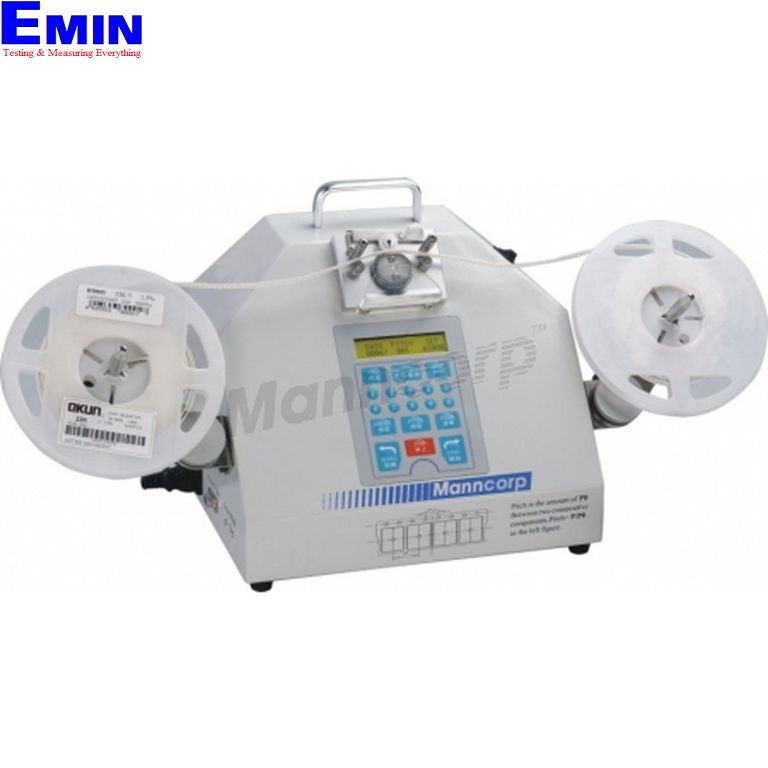
This category includes several distinct approaches. Mechanical and optical counting systems are typically used for screws, tape-and-reel materials, and general parts where the pitch or feed movement can be measured reliably. Examples include the Mountz Scout II Screw Counter and the Yamatek YAMA–301-E Screw Q.C. Counter for screw-related processes, as well as reel counters such as the Metronelec SMD-RC and GENITEC GAM12A or GAM12N for SMD tape reels.
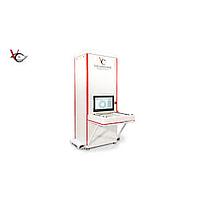
For higher accuracy on sealed reels or very small chip components, X-ray counting is often preferred. Systems such as the LEAPTRONIX AXC-100, Electronicstalk ADL100, Electronicstalk DL1000, and VisiConsult XRHCount are designed for non-destructive counting of reel-based SMD materials, including very small package sizes in demanding traceability environments.
There are also production-support accessories linked to fastening processes, such as the Vessel VSC-01 Screw Counter, which works within a controlled screw tightening setup rather than as a standalone inventory machine. That makes it relevant when counting needs are part of assembly control rather than warehouse handling.
Typical applications in SMT and electronics assembly
In SMT operations, counting equipment is widely used to confirm reel quantities before line loading, after partial consumption, or during inventory audits. Compact reel counters such as the Metronelec SMD-RC or GENITEC models are suitable when operators need a practical way to verify tape reels across common carrier widths and pitches without opening a complex inspection workflow.
X-ray systems are better suited when speed, repeatability, and visibility through packaging matter more. They are often chosen for high-volume warehouses, EMS production, or environments where barcode scanning, result output, and process integration are important. In these cases, the counting task is no longer just manual verification; it becomes part of a broader material control process.
For assembly lines using screws and fastening tools, dedicated counters help maintain quantity checks and reduce operator error. These solutions can complement adjacent process equipment such as desoldering stations or repair benches where controlled part usage and rework support are handled in the same production area.
How to choose the right counting method
The first selection factor is the type of component. Screw counting and SMD reel counting are very different tasks, so the machine should match the physical format of the items being counted. For tape-and-reel materials, tape width, pitch compatibility, reel diameter, and expected counting range are practical starting points. For screw applications, output signals, memory settings, and compatibility with the tightening workflow may matter more.
The second factor is throughput. A bench-top counter may be sufficient for periodic verification, small-lot assembly, or incoming checks. If your process handles many reels per shift, automated or X-ray-based systems can improve consistency and reduce operator dependency. Models such as the D&D TECH DC-200A or GENITEC counters support routine production counting, while larger systems from LEAPTRONIX or VisiConsult are more aligned with advanced traceability and higher-volume handling.
The third factor is integration. Some users need only a quick quantity result, while others need communication with PLC, barcode reading, label printing, or connection to MES and ERP processes. This is especially relevant in warehouse-to-line material flow, where counting results may need to feed into digital records instead of being handled manually.
Representative products in this category
Several products illustrate the range of use cases covered here. The Mountz Scout II Screw Counter is a compact option for screw quantity control, while the Yamatek YAMA–301-E adds Q.C.-oriented functions with indication and interface options suited to controlled assembly steps. The Vessel VSC-01 is relevant when screw counting is tied directly to compatible electric screwdrivers and fastening sequences.
For SMD reels, the Metronelec SMD-RC and GENITEC GAM12A or GAM12N provide practical counting support across multiple tape widths and pitches commonly seen in electronics production. These models are useful when users need straightforward reel verification without moving immediately to X-ray technology.
At the higher end, the Electronicstalk ADL100 and DL1000, LEAPTRONIX AXC-100, and VisiConsult XRHCount address counting tasks where very small components, speed, and high accuracy are key considerations. Their role is especially important in environments that process large numbers of reels or need better visibility into sealed or densely packed materials.
Why counting accuracy matters beyond inventory
Reliable counting supports much more than stock records. In practice, it helps prevent feeder shortages, reduces discrepancies between physical stock and system data, and supports cleaner handoffs between warehouse, kitting, and production teams. When these issues are not controlled, the result is often wasted operator time, urgent recounting, or unnecessary material purchasing.
It also supports quality and process discipline. For example, in controlled rework or assembly environments, verified quantities can help confirm that the correct number of components has been issued or consumed. This becomes even more valuable when counting is part of a wider workflow that includes inspection, repair, or BGA rework in electronics manufacturing and service operations.
Choosing by workflow, not just by specification
Technical data matters, but the most effective choice usually comes from understanding how the machine will be used day to day. A portable or bench-top counter may be ideal for engineering stores, service departments, or low-volume production. A more automated X-ray solution may be justified where reel volume, documentation needs, and labor efficiency have a larger operational impact.
It is also helpful to consider who will use the equipment, how often changeovers occur, and whether the process requires standalone operation or connection with broader factory systems. Looking at counting equipment in the context of your actual material flow will usually lead to a more practical decision than comparing count range alone.
Final considerations
This category brings together counting solutions for screws, tape-and-reel parts, and advanced X-ray-based SMD verification. Whether the priority is simple quantity confirmation, better production support, or higher traceability in SMT logistics, the right equipment depends on component format, required throughput, and how closely the process connects to the rest of your operation.
If you are comparing options, focus on the counting method, the materials you handle most often, and the level of process integration you need. That approach makes it easier to narrow the selection to equipment that fits real production conditions rather than just a specification sheet.
Get exclusive volume discounts, bulk pricing updates, and new product alerts delivered directly to your inbox.
By subscribing, you agree to our Terms of Service and Privacy Policy.
Direct access to our certified experts