
Handpiece
Precision soldering and rework depend heavily on the tool that actually reaches the joint. In many electronics assembly, repair, and SMT workflows, the handpiece is the operator’s direct interface with heat, airflow, or specialized tip geometry, so comfort, stability, and process compatibility matter just as much as power.
This category brings together handpieces and related soldering tools used for manual soldering, hot air work, micro-component handling, and bench-level repair tasks. Whether you are replacing a worn iron for an existing station, setting up a compact workstation, or selecting task-specific tools for fine-pitch components, understanding the role of each handpiece helps narrow the right option faster.
Where handpieces fit in soldering and SMT work
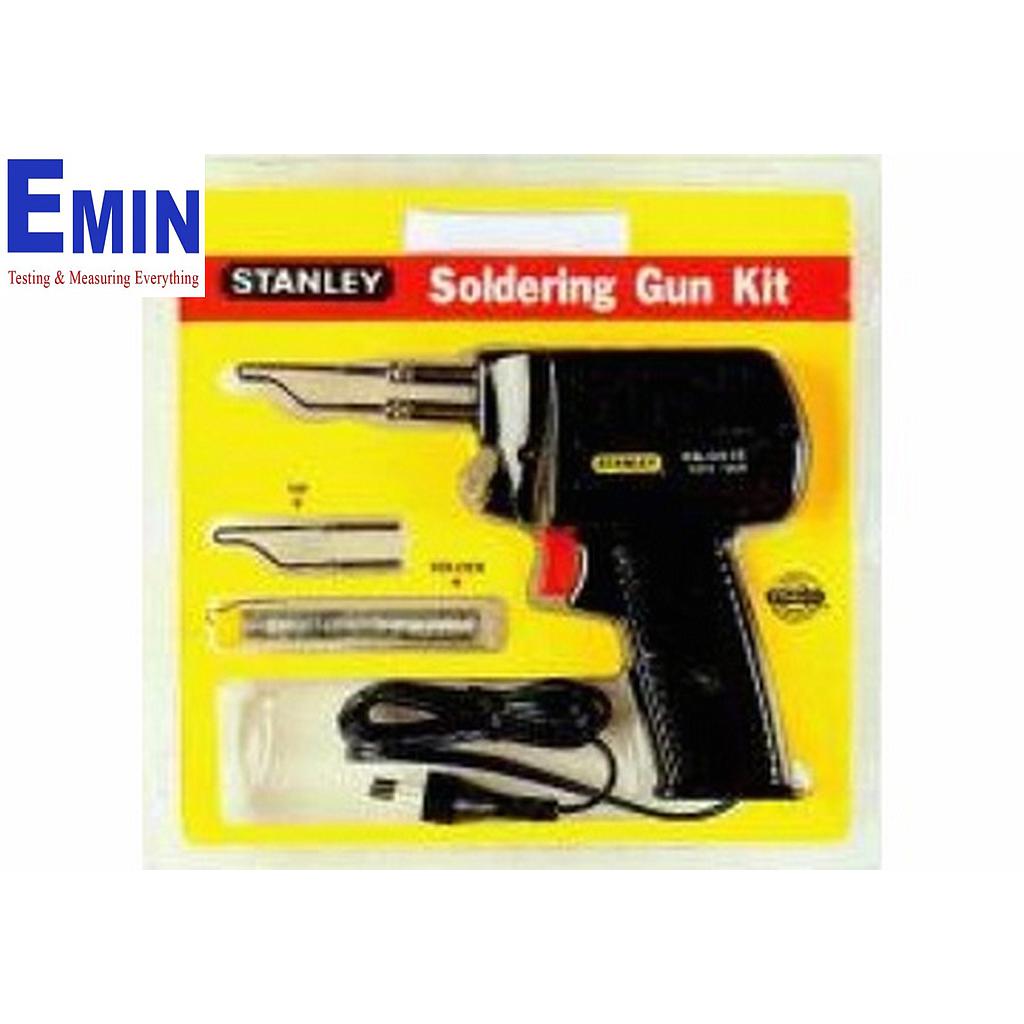
Unlike a full station, a handpiece is the working end used to deliver heat or airflow directly to the application. In practice, this can include a standard soldering iron, a compact nano handle for delicate boards, a hot air iron for localized rework, or a thermal tweezer handpiece for small SMD removal and placement-related tasks.
That distinction is important when planning equipment. Some users need a replacement tool for an existing platform, while others are comparing complete systems such as soldering stations or broader repair setups. A handpiece choice should always reflect the actual workpiece size, access constraints, and the thermal sensitivity of the components being handled.
Common handpiece types in this category
The most familiar format is the standard soldering iron handpiece used for through-hole work, cable termination, connector assembly, and general PCB repair. Products such as the HAKKO FM-2026 24V/70W SOLDERING IRON SET, HAKKO FX8301-01 24V/70W SOLDERING IRON SET, and HAKKO FX600-07 Soldering Iron illustrate the difference between station-oriented tools and standalone irons intended for direct bench use.
For compact electronics and high-density assemblies, smaller handles can offer better visibility and control. The JBC T210-A Soldering Handle (40 W) and JBC NT115-A Nano Handle are examples of handpieces suited to detailed work where tip access, low mass, and operator precision are priorities.
This category also includes more specialized tools. The PACEWORLDWIDE MT-200 AccuDrive MiniTweez Thermal Tweezer Handpiece is intended for tasks where symmetrical heating of small components is useful, while the WELLER HAP1 hot air iron set supports localized rework based on controlled hot air rather than direct tip contact.
How to choose the right handpiece
A good starting point is the type of process. If most work involves conventional solder joints, a standard iron is usually the practical choice. If the application includes SMD rework, shielding removal, heat-shrink tasks, or component replacement around sensitive pads, a hot air or tweezer-style tool may be more effective than forcing everything through a single iron.
The next consideration is power and temperature range. Higher wattage does not automatically mean better soldering, but it can improve thermal recovery on larger joints, ground planes, or heavier connectors. Models in this category span compact handles and higher-power irons, so the right match depends on board mass, tip size, and duty cycle rather than a simple wattage comparison.
Ergonomics also matter in daily production or repair settings. Handpiece weight, cable flexibility, grip diameter, and reach influence fatigue and repeatability over long sessions. For technicians performing repetitive fine work, a lighter and smaller-format handle can improve consistency as much as any temperature specification.
Examples for different bench applications
For general maintenance and workshop use, adjustable irons such as the SATA 03200 Adjustable Thermostatic Soldering Iron provide a straightforward solution where flexibility is needed across routine soldering tasks. A standalone tool can be useful for service benches, electrical maintenance areas, or lower-volume work where a full station is not always required.
In production, repair labs, and process-controlled electronics work, station-compatible tools often make more sense because they support repeatable temperature management and quick integration with existing systems. If your process already depends on dedicated control units, it may be better to evaluate the broader ecosystem around versatile soldering and repair systems rather than selecting the handpiece in isolation.
For field work or mobile service, the TOPTUL EGAE0801 8PCS Gas Soldering Iron Set highlights another use case. Gas-powered tools can be relevant where mains power is inconvenient, though the suitability depends on portability requirements, operating duration, and the level of process control needed for the application.
Compatibility, maintenance, and replacement planning
Many handpieces are selected as replacements for an installed system, so compatibility should be checked first. Voltage, power source, supported heater design, tip family, and matching base unit are all practical issues that affect whether a tool can be used immediately or requires a specific station platform.
Maintenance is equally important for stable soldering performance. Tip condition, heater wear, cable strain, and holder quality all influence heat transfer and safety over time. Accessories such as the Pro'skit SN-002 Soldering Stand may seem secondary, but proper resting and handling help protect both the tool and the workspace.
If your workflow includes pad clearing or component removal, it is often worth reviewing adjacent equipment as well. A handpiece alone may not cover the full repair sequence, especially when rework and extraction are frequent, which is why many teams also compare desoldering stations and dedicated hot air solutions.
Brands commonly used in this category
This category includes handpieces and related tools from recognized names in electronics soldering and bench tooling. HAKKO is widely associated with soldering irons and station-compatible tools, while JBC and WELLER are often considered when precision handling, rework capability, or platform integration are important.
PACEWORLDWIDE supports specialized rework applications, including thermal tweezer formats, and brands such as Proskit, SATA, and TOPTUL can be relevant for service, workshop, or general maintenance environments. The best choice is usually the one that aligns with your installed equipment, process demands, and operator preference rather than simply selecting by brand alone.
When to consider a station or rework system instead
Some tasks point beyond a single handpiece. If you regularly work on multilayer boards, temperature-sensitive SMD packages, or repeated rework jobs, the process may benefit from a more controlled system with dedicated power management, airflow control, or application-specific tooling.
For example, hot air removal and localized SMT repair may be better served by a dedicated hot air rework setup. Likewise, advanced package handling may require a more complete platform than a standalone tool can provide. Looking at the full workflow often prevents under-specifying the equipment.
Finding the right handpiece for your process
The right handpiece supports both the technical process and the operator using it. Selection should be based on application type, compatibility with your current setup, required thermal behavior, and the level of precision needed at the bench.
From general-purpose soldering irons to nano handles, hot air tools, and thermal tweezer handpieces, this category is intended to help buyers compare practical options for electronics assembly and rework. If you already know the platform you use, focus on compatibility first; if you are building a new setup, compare the handpiece together with the wider soldering and rework system so the whole process remains consistent.
Get exclusive volume discounts, bulk pricing updates, and new product alerts delivered directly to your inbox.
By subscribing, you agree to our Terms of Service and Privacy Policy.
Direct access to our certified experts