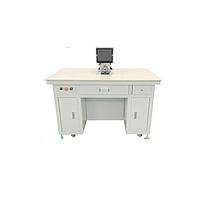
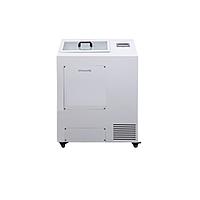
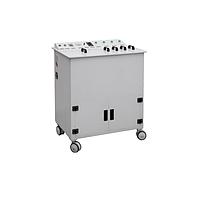
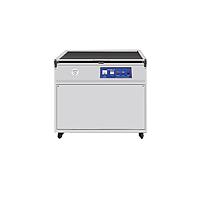
PCB Making machine
When fast PCB iteration matters, having the right production equipment in-house can shorten development cycles, reduce outsourcing delays, and improve control over prototype quality. For labs, R&D teams, electronics training centers, and small-batch manufacturing environments, PCB Making machine solutions support the key process steps needed to move from layout to a finished board more efficiently.
This category brings together equipment used across PCB prototyping and board preparation, including CNC prototyping systems, exposure units, laminators, brushing machines, spray etching equipment, through-hole plating lines, and conformal coating systems. Instead of treating PCB fabrication as a single machine type, it is more practical to view it as a connected workflow where each device supports a specific stage of board production or post-processing.
Equipment scope across the PCB workflow
A typical PCB production process may include imaging, lamination, etching, drilling or milling, surface preparation, hole metallization, and protective finishing. That is why this category includes more than one type of machine. Some users need a compact CNC platform for direct prototyping, while others are looking for process equipment that fits a more complete in-house fabrication line.
Examples from Bungard Elektronik illustrate this broader ecosystem well. The portfolio represented here includes machines for exposure, dry film lamination, spray etching, brushing, plating, and CNC machining, which is useful for teams building a structured prototype process rather than buying a single standalone device.
PCB prototyping machines for direct milling and drilling
For fast-turn prototype work, CNC PCB prototyping machines are often the starting point. These systems are used to mill isolation paths, drill holes, and create prototype boards directly from design data without waiting for external fabrication. They are especially useful in development environments where design revisions are frequent and time-to-test is critical.
Representative options in this category include the EVERPRECISION EP-42NV PCB Prototyping Machine, the EVERPRECISION EP-42AUTO Auto PCB Prototyping Machine, the Scientech EP-42 PCB Prototype Machine, and the Bungard Elektronik CCD/2/ATC CNC Machine. Across these examples, buyers can compare practical factors such as working area, tool handling, spindle speed range, drilling capability, positioning behavior, and whether semi-automatic or automatic tool change is better suited to the intended workload.
The selection logic is straightforward: compact R&D users may prioritize ease of operation and repeatable PCB drilling, while higher-throughput prototype teams may pay more attention to tool changer capacity, travel speed, and fine machining resolution. In either case, machine stability, process repeatability, and compatibility with the overall PCB workflow are usually more important than looking at a single specification in isolation.
Imaging, lamination, and etching for board pattern creation
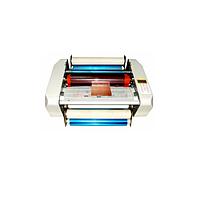
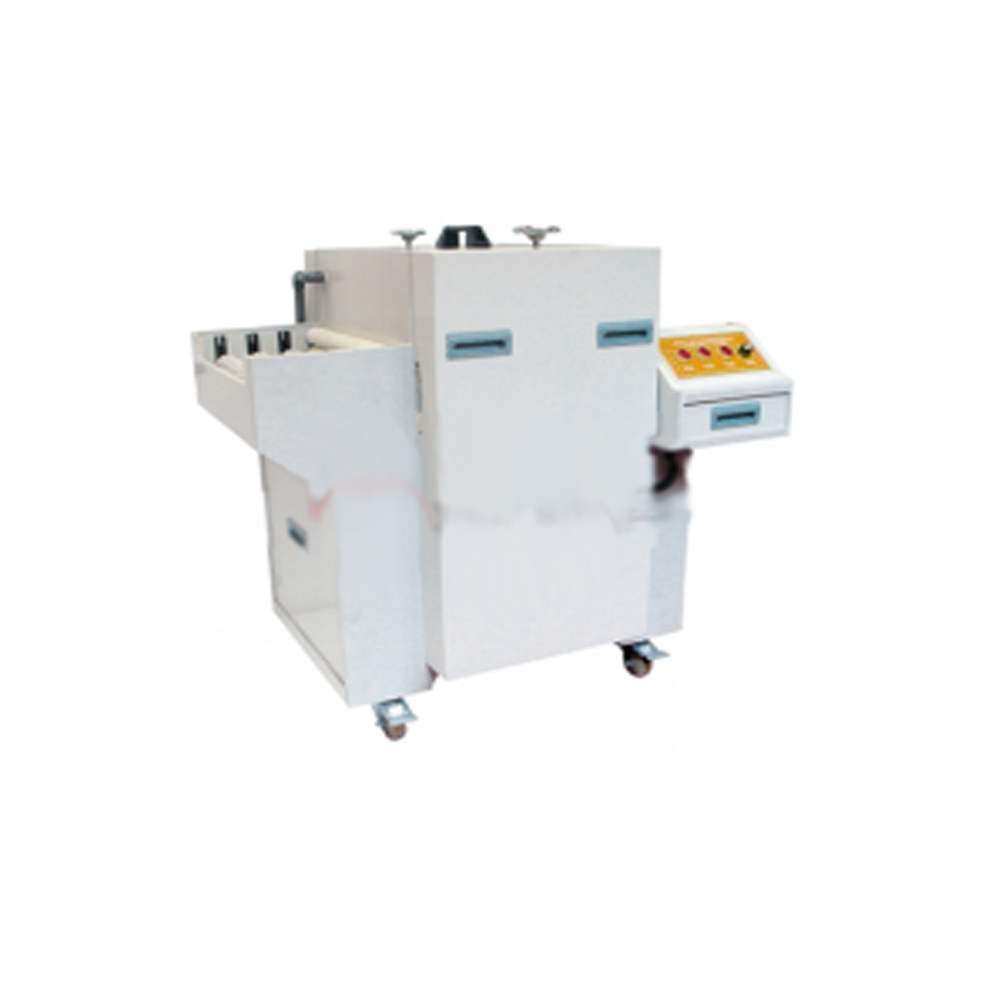
Where a subtractive wet-process workflow is used, imaging and etching equipment plays a central role. Exposure units help transfer artwork to photoresist, dry film laminators support even resist application, and spray etching systems remove copper in a controlled manner. These steps are commonly used in prototype labs, educational facilities, and specialized low-volume production setups.
Products such as the Bungard Elektronik Hellas LED Vacuum exposure units, the Bungard Elektronik RLM 419P Dry Film Laminator, and the Bungard Elektronik Splash or Splash Center spray etching machines show how this process chain can be built. Practical buying considerations include maximum panel size, temperature control, transport speed, process consistency, and whether the equipment supports only one step or can handle multiple adjacent tasks such as developing and etching.
For users planning a broader electronics bench or repair workflow around PCB work, adjacent tools such as soldering stations can also become part of the same in-house setup once boards move from fabrication to assembly and testing.
Surface preparation and plating in advanced prototype lines
Not every PCB workflow stops at pattern generation. In more advanced setups, surface preparation and through-hole processing are also important. Brushing machines are used to clean and prepare board surfaces, helping improve downstream adhesion and process consistency. Through-hole plating systems support plated vias and interconnections when the application requires more than simple single-sided or basic double-sided prototyping.
Within this category, the Bungard Elektronik RBM 300 Brushing Machine and the Bungard Elektronik Compacta 30 Through-hole plating line are examples of this more specialized process stage. These machines are relevant when users want better process control for multilayer-related preparation steps, cleaner copper surfaces, or a more complete in-house capability for hole metallization.
This is also where evaluating the full line becomes important. A capable drilling or milling machine alone does not replace the need for surface finishing, cleaning, or plating if the board design and reliability requirements demand those processes.
Conformal coating equipment for PCB protection
Some PCB workflows extend beyond fabrication into final board protection. Conformal coating equipment is used to apply protective material over assembled or processed boards to help reduce the impact of moisture, dust, and environmental exposure. This is particularly relevant in industrial electronics, automotive-related assemblies, power devices, and other applications where long-term operating conditions are more demanding.
The EVERPRECISION iL500 PCB Conformal Coating Equipment and EVERPRECISION iL700 PCB Conformal Coating Equipment represent this finishing stage within the category. Features such as camera-assisted positioning, programmable conveyor handling, repeatability, and multi-valve coating configurations can matter when the process needs to be repeatable across different PCB sizes or production batches.
For teams also involved in component-level repair or post-production rework, related process areas such as BGA rework may complement PCB fabrication and coating capabilities in a more complete electronics manufacturing environment.
How to choose the right PCB making equipment
The right choice depends first on the production stage you want to control internally. If the main goal is rapid functional prototyping, a CNC PCB machine may be the priority. If your workflow is based on photoresist processing, then exposure, lamination, and spray etching equipment becomes more relevant. If the requirement includes plated holes or more complete process capability, brushing and plating systems should be considered as part of the same investment plan.
It also helps to define the expected board size, throughput, material handling method, and degree of automation. For example, a smaller engineering team may prefer a compact machine with a manageable footprint, while a training lab or process department may need larger working areas, conveyor-based handling, or more automated tool and process control. Reviewing the process sequence first usually leads to a better purchase decision than comparing products only by headline specifications.
Manufacturer preference can also play a role. Buyers comparing EVERPRECISION systems with offerings from Scientech or Bungard Elektronik may focus on whether they need prototyping, coating, or a broader line of PCB process equipment under one brand family.
Fit for R&D, education, and low-volume electronics production
This category is relevant for several types of users. Engineering teams use PCB making equipment to shorten prototype lead times and validate revisions earlier. Universities and training centers use it to teach PCB process fundamentals with hands-on equipment. Small-scale electronics manufacturers may use selected machines to support fixture boards, custom controllers, internal test boards, or limited production runs.
In practical terms, the value of this equipment is not only in making boards, but in improving responsiveness. When developers can prototype, adjust, clean, coat, or rework boards closer to the point of design, the overall product development cycle becomes easier to manage. Supporting tools such as hot air rework systems may also be useful once fabricated boards move into assembly, modification, or troubleshooting stages.
Build a PCB process around real application needs
Choosing from this PCB making machine category is ultimately about matching equipment to your real process requirements, not just selecting the most complex machine available. Some users need a reliable prototyping platform for quick PCB drilling and milling, while others need a broader set of tools for imaging, etching, plating, cleaning, and protective coating.
By comparing machine role, workflow compatibility, working size, automation level, and downstream process needs, buyers can build a more practical in-house PCB capability. Whether the goal is prototype turnaround, process teaching, or low-volume production support, a well-matched equipment set can create a more controlled and efficient electronics development environment.
Get exclusive volume discounts, bulk pricing updates, and new product alerts delivered directly to your inbox.
By subscribing, you agree to our Terms of Service and Privacy Policy.
Direct access to our certified experts