
Pick & place machine
Accurate component placement is one of the key steps in SMT and electronics assembly, especially when repeatability, throughput, and placement quality matter more than manual handling can reliably deliver. For workshops, repair lines, prototype labs, and small production environments, a pick & place machine helps reduce positioning errors, improve consistency, and support faster board assembly across a wide range of PCB jobs.
This category brings together equipment used to place components onto printed circuit boards as part of the broader electronics assembly workflow. Depending on the process, these systems may be used alongside soldering, preheating, cleaning, inspection, and rework tools to create a more controlled and efficient SMT operation.
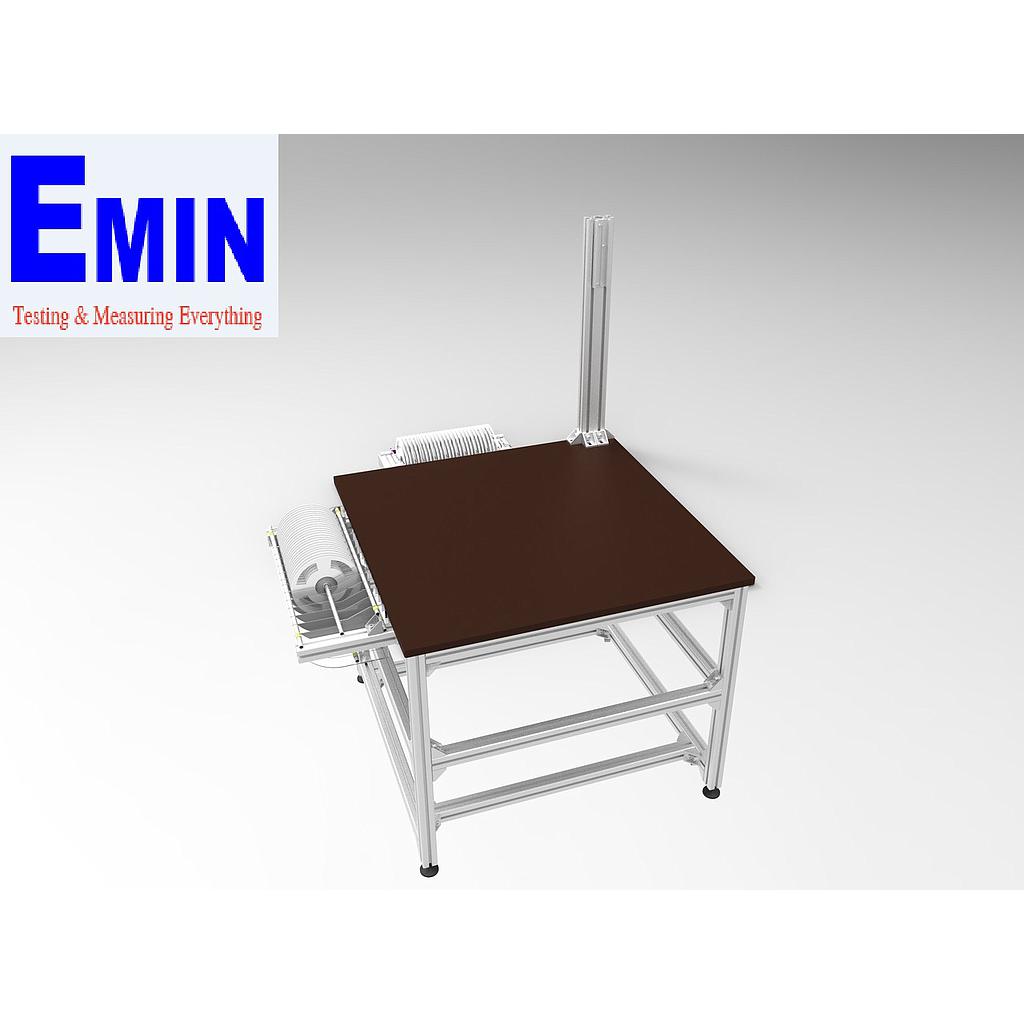
Where pick and place equipment fits in SMT assembly
In a typical PCB assembly process, component placement sits between board preparation and soldering or bonding steps. Once solder paste, adhesive, or preparation work has been completed, components need to be positioned accurately enough to support reliable joining and avoid alignment-related defects. That is where component placement equipment becomes especially valuable.
For lower-volume production, prototyping, and semi-automatic assembly, these machines can bridge the gap between fully manual work and high-speed automated SMT lines. They are particularly useful when operators need better repeatability than hand placement can provide, but do not require a large-scale production platform.
Typical equipment found in this category
This category includes semi-automatic and assembly-oriented placement systems designed to support electronics manufacturing tasks with more control than manual tweezers or simple fixtures. A practical example is the REN THANG SMT-401, a semi-automatic pick and place machine intended for PCB handling within a defined working area. For users who also need adhesive application during placement, the REN THANG SMT-402 adds a spot glue dispensing function within the same general workflow.
Some assembly environments also integrate robotic handling devices to support positioning, movement, or repetitive production tasks. Models such as the EVERPRECISION SR-3030GB and SR-4040GB illustrate how assembly line robots can complement board handling or precision movement in electronics processes where programmed motion and repeatability are important.
Key selection factors before choosing a machine
Choosing the right system starts with the actual production requirement rather than the machine name alone. Buyers usually compare PCB size capacity, feeder count, placement method, motion repeatability, and whether the machine is intended for prototypes, small batches, or routine semi-automatic production. Workspace constraints, operator skill level, and compressed air availability may also affect the decision.
It is also important to think about the surrounding process. If the placement stage is part of a repair or rework environment, users may also need support equipment such as soldering stations or hot air rework systems. Looking at the full workflow often leads to a better investment than evaluating placement equipment in isolation.
Supporting tools around the placement process
Pick and place work rarely happens as a standalone task. In many SMT benches and light assembly lines, operators use supporting tools to prepare components, stabilize boards, and improve process control before or after placement. For example, the OEM HP-2020 preheating station can support thermal preparation in certain board handling and rework situations, while the HAKKO 392 vacuum pick-up provides a simple way to handle delicate components with better control than manual pickup.
After placement and soldering, cleaning can be just as important as the assembly step itself, especially when residue removal or board hygiene is required by the application. Systems such as the Metronelec METWash 4.2, 4.3, and 4.4 PCBA cleaning machines show how post-assembly cleaning equipment fits into a broader SMT ecosystem focused on process stability and finished board quality.
Manual, semi-automatic, and robotic approaches
Not every electronics operation needs the same degree of automation. Manual handling tools are suitable for simple repair work, occasional component replacement, or very small runs. Semi-automatic machines are often a better fit when placement volume increases and repeatable positioning becomes more critical, but the production scale still does not justify a fully automated line.
Robotic movement systems bring another level of consistency for repetitive paths and programmed motion. In assembly cells where the same tasks are repeated across many boards, a robot-based approach can help reduce operator variability and support more structured production planning. The best choice depends on board complexity, batch size, and the amount of process standardization required.
Applications in repair, prototyping, and small-batch manufacturing
A pick and place machine is not only relevant to mass production. Many buyers in this category are working in prototype development, electronics repair, educational labs, contract assembly, or pilot manufacturing. In these environments, the goal is often to improve placement accuracy and reduce handling time without introducing the cost and complexity of a full SMT line.
For repair and rework applications, placement tools may be paired with BGA rework equipment, localized heating, or desoldering tools depending on the package type and board structure. For small-batch assembly, semi-automatic placement provides a practical route to better consistency while keeping the process flexible enough for frequent product changes.
What to compare when reviewing product options
When comparing machines in this category, focus on the operating workflow rather than on specifications alone. Questions that typically matter include how many feeders are supported, what PCB dimensions can be handled, whether glue dispensing is required, how components are aligned, and how easily the machine fits into the rest of the workbench or line.
It is also worth considering maintenance, operator training, and how the placement system interacts with upstream and downstream steps. A well-matched solution should support your actual assembly process, not create bottlenecks around setup, handling, or finishing. For many teams, the right decision is the machine that balances placement control, usability, and compatibility with the broader SMT environment.
Finding the right fit for your assembly workflow
This category is best approached as part of a complete electronics assembly process rather than a single isolated tool purchase. Whether you need a semi-automatic REN THANG platform, a vacuum handling tool from HAKKO, robotic motion from EVERPRECISION, or post-process cleaning support from Metronelec, the most suitable choice depends on board type, batch size, and how your operators actually work.
By reviewing placement needs together with soldering, rework, preheating, and cleaning requirements, buyers can build a more reliable SMT setup with fewer process gaps. A carefully selected SMT placement solution helps improve consistency today while leaving room for process refinement as production demands grow.
Get exclusive volume discounts, bulk pricing updates, and new product alerts delivered directly to your inbox.
By subscribing, you agree to our Terms of Service and Privacy Policy.
Direct access to our certified experts


