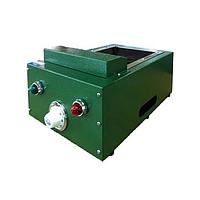
Solder pot
For tinning wires, pre-coating leads, dipping components, or handling repetitive solder preparation work, a stable molten solder bath can be far more efficient than using a standard handpiece alone. A solder pot is especially useful in electronics assembly, cable preparation, maintenance, and rework environments where consistent heat and repeatable solder coverage matter.
On this page, you can explore solder pot solutions for different bath sizes, temperature ranges, and workshop needs. The range includes compact units for bench work as well as larger baths suited to higher solder volume, helping buyers compare options based on process scale rather than just wattage alone.
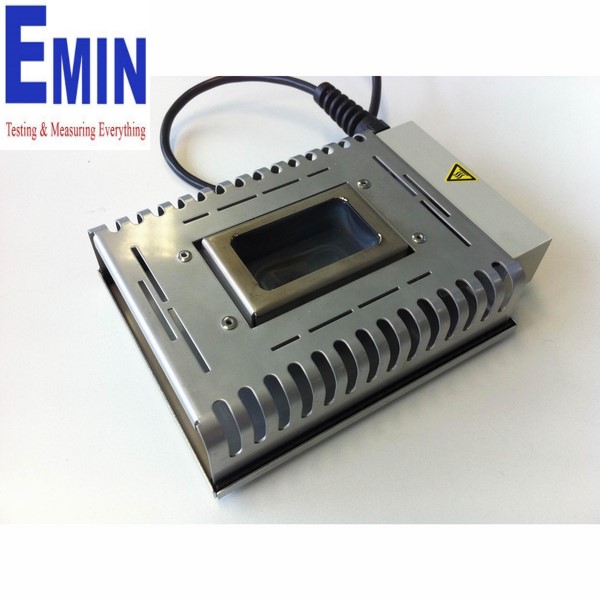
Where solder pots are commonly used
In practical production and repair work, solder pots are often chosen for tasks that require uniform solder immersion. Typical examples include tinning stranded wires before terminal assembly, preparing component leads, salvaging or cleaning parts, and supporting small-batch manual assembly processes.
They also fit naturally into a broader soldering workflow. In many electronics benches, a solder pot is used alongside soldering stations for detail work and hand assembly, while separate tools handle placement, touch-up, and final connection quality.
Key differences between compact and larger bath designs
Not every process needs the same bath capacity. Smaller models are typically selected for light-duty wire tinning, occasional dipping, or service benches where space is limited. In this category, compact examples such as the Proskit SS-551B Solder Pot 150 W and Proskit SS-552B Solder Pot (200W) illustrate this type of application, with relatively short melting times and modest solder capacity.
For heavier use, larger baths can support more continuous work and better thermal reserve when multiple parts are dipped in sequence. Products such as the Proskit SS-553B Solder Pot, Proskit SS-554B Solder Pot (300W), and Kuping KC-1015A Solder Pot (0.6kW) are more relevant when the job requires a larger crucible or tank and more solder volume in the bath.
What to consider when selecting a solder pot
The first point is usually temperature range. Different soldering tasks and alloy types may require different operating windows, so it is important to choose a unit that can reach and maintain the temperatures your process demands. For example, some compact bench units cover higher upper-end settings, while other industrial-style baths focus on larger capacity within a moderate operating range.
The second consideration is bath size and solder capacity. Crucible dimensions directly affect what can be immersed and how many parts can be handled efficiently. If the task is limited to small wire bundles or component leads, a compact bath may be enough. If the workflow involves repeated dipping of larger assemblies or longer wires, a larger tank can reduce interruptions and improve throughput.
Buyers should also look at warm-up time, power level, bench footprint, and maintenance practicality. Features such as digital temperature display or bath scraping support can be useful in operations that need better process visibility and easier slag management.
Examples from leading brands in this category
Several recognized manufacturers appear in this range, allowing buyers to compare by application and workflow preference. Proskit offers multiple bench-oriented solder pot models that suit general electronics work, from smaller 150 W units up to higher-capacity options for more regular use.
Metronelec provides static bath solutions such as the Met Bath M10, M100, M200, and M300, which are relevant for controlled dipping processes and applications where electronic temperature regulation and lead-free alloy compatibility are important. For users working within a broader professional soldering ecosystem, JBC and HAKKO also appear in this category with specialized solder pot-related solutions such as the JBC DDCT-2B Solder Pot (230V) and HAKKO A1518 Solder Pot/75X75 for compatible systems.
Solder pots within a complete rework and assembly setup
A solder pot is rarely used in isolation. In electronics production and repair, it often supports pre-tinning, lead preparation, or cleanup steps before manual soldering or component replacement. That makes it a useful complement to desoldering stations and other bench tools used for rework and maintenance.
For SMT and board-level repair, users may also combine solder bath processes with hot air rework systems depending on package type and repair method. The right combination depends on whether the goal is wire preparation, through-hole service, connector work, or broader PCB rework.
Maintenance, consumables, and replacement parts
Over time, heating performance and bath condition affect process consistency. That is why replacement parts and compatible accessories can matter just as much as the initial equipment choice. A product such as the Proskit 5SS-553-H Replacement Heater for compatible lead bath setups shows the value of maintaining serviceability in active workshop environments.
Users should also pay attention to the crucible material, resistance to wear, and day-to-day cleaning needs. In lead-free applications, bath material selection and temperature control become especially important because operating conditions may place more stress on the system over long periods of use.
How to choose the right model for your process
If your work is mainly occasional tinning, prototype assembly, or repair bench preparation, a smaller solder pot may be the more practical choice. It takes up less space, typically heats quickly, and is easier to integrate into a standard workstation. For recurring production tasks, larger baths are often more suitable because they support higher solder volume and reduce the need for frequent replenishment.
It is also helpful to think in terms of process stability rather than only rated power. A suitable model should align with the size of the parts being dipped, the alloy being used, the desired temperature control method, and how often the equipment will operate during a shift. That approach usually leads to a better long-term fit than choosing based on a single specification.
Finding a solder pot that fits real workshop requirements
This category brings together solder pot options for different scales of electronics assembly, wire processing, repair, and dipping work. Whether you need a compact unit for bench-level tinning or a larger bath for heavier throughput, comparing temperature capability, bath dimensions, and maintenance considerations will help narrow the right choice.
For many buyers, the best selection is the one that matches the actual workflow: stable heating, practical bath size, and compatibility with the rest of the soldering setup. Reviewing the available products and brands on this page is a good starting point for building a more efficient and reliable soldering process.
Get exclusive volume discounts, bulk pricing updates, and new product alerts delivered directly to your inbox.
By subscribing, you agree to our Terms of Service and Privacy Policy.
Direct access to our certified experts