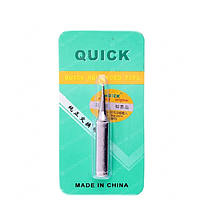
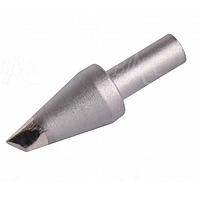
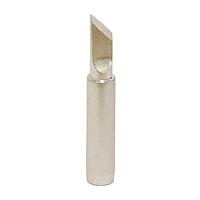
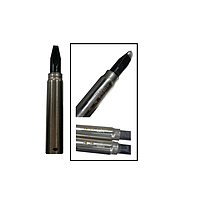
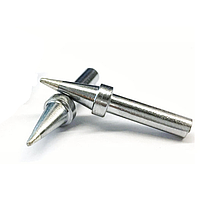
Soldering tip
Reliable hand soldering depends on more than the station itself. In production lines, service benches, and electronics labs, the tip is the part that directly transfers heat to the joint, so its geometry and compatibility have a major impact on solder flow, pad access, and overall process stability. Choosing the right soldering tip helps improve control, reduce rework, and match the tool to the actual size and shape of the component being handled.
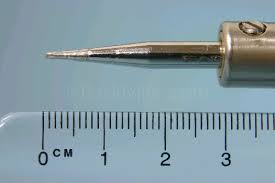
Why tip selection matters in electronics assembly and repair
A soldering tip is not just a consumable. It is a functional interface between the heating system and the workpiece, which means tip shape, size, and tool compatibility all influence how efficiently heat reaches the solder joint. A tip that is too small may struggle to deliver enough thermal energy, while an oversized tip can reduce precision when working around dense PCB layouts.
This is especially important in SMT work, connector soldering, maintenance, and fine-pitch assembly. Users often pair these consumables with dedicated soldering stations or broader repair setups, where tip choice becomes part of the overall process rather than an afterthought.
Common tip styles and where they fit best
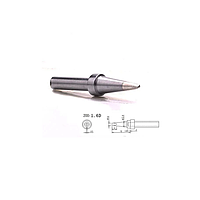
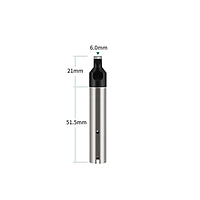
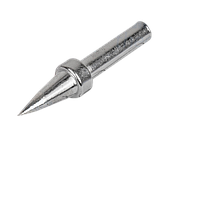
Different applications call for different contact profiles. Conical tips are often selected for fine work and precise access, especially when soldering small pads or components in tight spaces. A product such as the JBC C105103 Soldering Tip (Conical Cartridge Ø 0.3) is a good example of a narrow-profile option intended for controlled work on small joints.
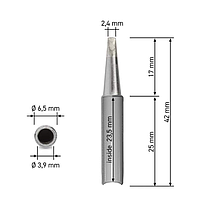
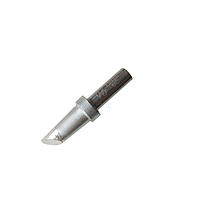
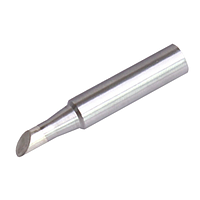
Chisel and screwdriver-style tips are commonly preferred when more contact area is needed. They can improve heat transfer on pads, wires, and general-purpose joints, which is why many technicians keep several widths available. Examples in this category include the HAKKO T18-C3 Soldering Tip and HAKKO T18-D08 Soldering Tip, both suited to users who need interchangeable shapes for different assembly tasks.
Some applications also require specialized forms. For instance, HAKKO T12-WD12 Soldering Tip and HAKKO T12-KU Welding tips illustrate how tip design can be tailored to specific soldering approaches, helping users handle particular joint geometries or access constraints more effectively.
Compatibility is just as important as shape
When selecting a replacement or spare, the first checkpoint is always compatibility with the handpiece or station series in use. Tip families are generally tied to specific tools, cartridges, or handles, so choosing by shape alone is not enough. Even if two tips look similar, they may belong to different heating systems and may not be interchangeable.
For that reason, many buyers filter first by manufacturer ecosystem, then by tip geometry. Brands such as HAKKO, JBC, and PACEWORLDWIDE each support their own tool platforms, and their tip ranges are built around those platforms. This matters both for performance and for maintenance planning, especially in environments where downtime needs to be minimized.
Examples of tip options across fine soldering and rework
The products in this category reflect several practical use cases. For precision soldering, compact geometries such as the JBC C105103 Soldering Tip (Conical Cartridge Ø 0.3) support work on small solder joints where access is limited. For broader day-to-day soldering tasks, HAKKO T18-C3 and HAKKO T18-D08 show how different tip faces can be chosen to balance precision and heat transfer.
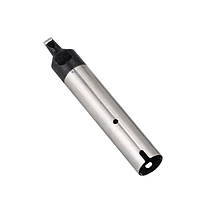
PACEWORLDWIDE products highlight another side of the ecosystem: not all tips are intended for standard iron-style soldering only. The PACEWORLDWIDE 1128-1003-P1 MiniTweez Tip (1mm), 1128-1004-P1 MiniTweez Tip (2mm), and 1128-1005-P1 MiniTweez Tip (6mm) are associated with MiniTweez applications, where paired heating elements are useful for handling small component rework. Likewise, the PACEWORLDWIDE 1124-1001-P1 MT-100 Tip - Small Chip Removal (0.2mm) and 1124-1002-P1 MT-100 Tip - Chip, SOT Removal are oriented toward chip and SOT removal tasks rather than conventional point soldering.
For angled access or targeted rework, parts such as the PACEWORLDWIDE 1124-0003-P1 Conical Sharp Bent 30 Degrees Tip (0.4mm) and 1124-0002-P1 Conical Sharp Extended (0.4m) show how geometry can support visibility and reach. If your work regularly moves between soldering and component removal, it may also be useful to review related desoldering stations or hot air rework systems as part of the same workflow.
How to choose the right soldering tip for your work
A practical selection process usually starts with three factors: application type, component size, and equipment compatibility. For fine SMT work, users often favor narrow conical or small-profile tips for access. For connectors, wires, and larger pads, a wider contact face may provide more efficient thermal transfer and better joint consistency.
The second factor is process frequency. In repair environments, having multiple shapes available can be more important than optimizing for a single operation. In repetitive production, it often makes sense to standardize tip geometry around the joint design and station platform already in use. If your process includes package removal or dense board rework, adjacent tools such as BGA rework equipment may also become relevant in the broader toolchain.
Working with manufacturer ecosystems
Many buyers prefer to stay within a known manufacturer family for consistency in fit, handling, and replacement planning. In this category, recognized names include HAKKO, JBC, and PACEWORLDWIDE, each represented by tip formats associated with specific tools or rework methods. This approach can simplify inventory control and reduce the risk of ordering incompatible consumables.
At the same time, the right choice is not about the brand name alone. The most suitable option depends on the combination of station model, handpiece type, and task requirement. A fine-point cartridge for precision assembly, a chisel tip for general soldering, and a specialized removal tip for rework each solve different problems, even when used within the same workshop.
Maintenance and replacement considerations
Because soldering tips are consumable components, replacement planning should be part of routine bench management. Worn or contaminated tips can affect heat transfer, wetting behavior, and joint quality, which may lead to inconsistent results or unnecessary operator effort. Keeping suitable replacements on hand is particularly important in service centers and production environments where soldering tools are used continuously.
It is also helpful to maintain a small range of tip shapes rather than relying on a single universal option. This gives technicians the flexibility to move between delicate PCB work, standard through-hole joints, and rework tasks without compromising access or thermal efficiency.
Find tips that match your equipment and process
This category brings together replacement and application-specific tips for electronics soldering and rework, covering fine conical profiles, broader working faces, MiniTweez formats, and chip-removal styles. Whether the requirement is precision assembly, day-to-day bench soldering, or targeted component rework, the key is to match the tip to both the tool system and the actual job on the board.
By selecting compatible tip families and practical geometries, buyers can build a more reliable soldering setup with better control over heat delivery and access. For teams working across assembly, repair, and rework, that often leads to smoother operation, more consistent joints, and a more efficient maintenance strategy overall.
Get exclusive volume discounts, bulk pricing updates, and new product alerts delivered directly to your inbox.
By subscribing, you agree to our Terms of Service and Privacy Policy.
Direct access to our certified experts