X-Ray Inspection machine for electronic components
Hidden solder joints, voids, head-in-pillow defects, and internal cracks cannot be evaluated reliably with visual inspection alone. In SMT production, rework, and failure analysis, X-Ray Inspection machine for electronic components systems help teams inspect what is happening beneath the package surface without destroying the board or component.
These systems are used across electronics manufacturing environments where BGA, QFN, CSP, press-fit, and other complex assemblies demand more than optical confirmation. Whether the goal is inline process control or off-line troubleshooting, X-ray inspection supports faster fault localization, better repair decisions, and stronger confidence in assembly quality.
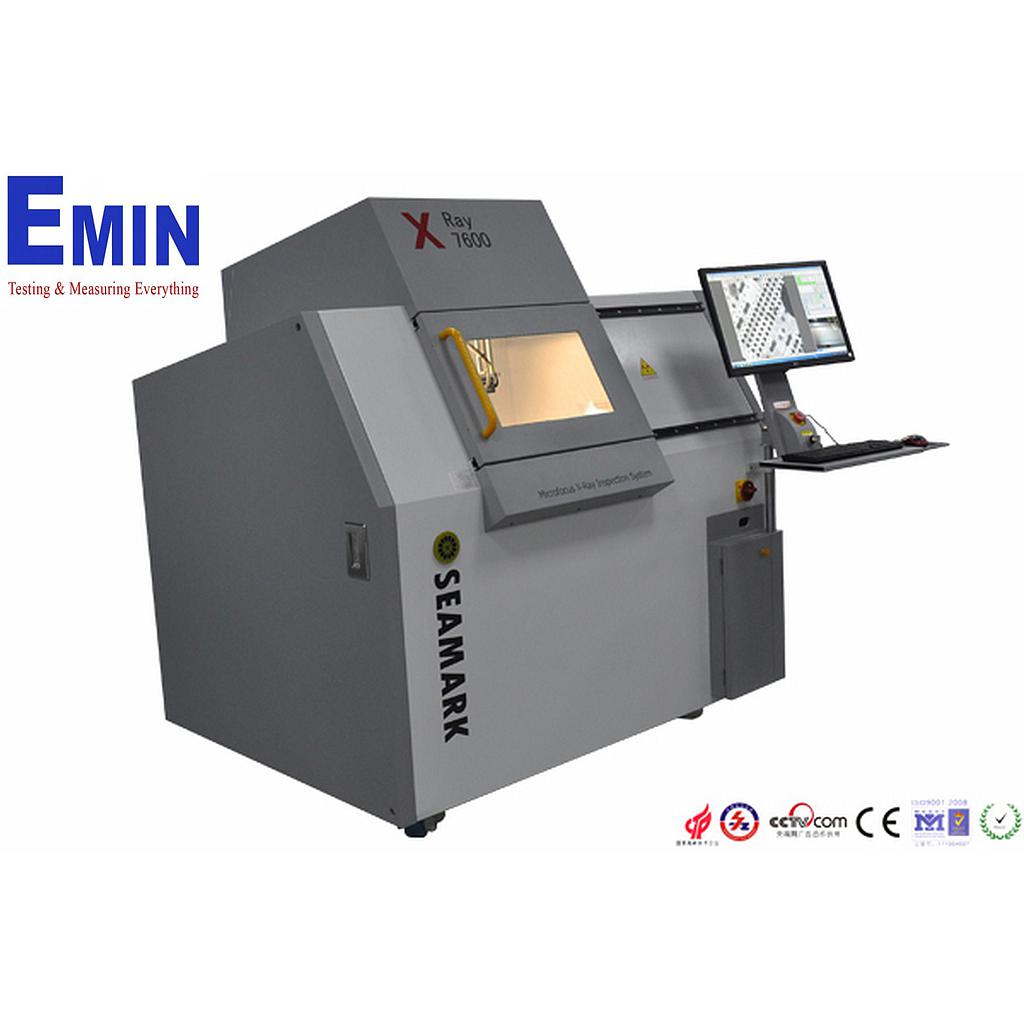
Where X-ray inspection fits in electronics manufacturing
X-ray inspection is especially valuable when joints are concealed under packages or inside multilayer assemblies. It is commonly used to evaluate solder coverage, detect bridges or opens, review voiding patterns, and assess component placement conditions that may not be visible from the top or side of the board.
In practice, this category serves both production and engineering needs. Inline systems are often selected for automated inspection within SMT lines, while compact or bench-style units are useful in repair cells, incoming quality control, labs, and diagnostic workflows that may also involve BGA rework or advanced board-level troubleshooting.
Typical system types in this category
The products in this range cover more than one inspection approach. Some systems are designed for inline automated X-ray inspection, where boards move through the line with conveyor integration and repeatable inspection programs. Others are better suited for manual analysis, lower-volume inspection, or service environments where flexibility matters more than line throughput.
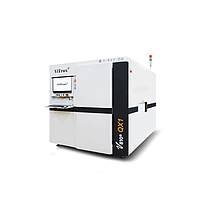
For example, the Nordson X2, X2.5, and X3 platforms are representative of inline automated X-ray inspection workflows, with different imaging and inspection capability levels depending on application needs. At the higher end of automated analysis, the Vitrox V810Ai QX1 Smart 3D AXI System illustrates the role of 3D AXI in handling demanding PCB inspection tasks, including fine features and larger boards.
Examples of inspection equipment and use cases
Different production environments call for different machine formats. The Nordson X2 Inline Automated X-ray Inspection System is aligned with 2D transmission inspection, while the X2.5 and X3 variants extend capability toward off-axis and more advanced 3D-style inspection workflows. This makes them relevant for users balancing speed, defect coverage, and integration into automated SMT processes.
The Vitrox V810Ai QX1 Smart 3D AXI System is positioned for more advanced inline inspection where larger PCB formats, finer detection capability, and line communication standards are important. For engineering teams focused on hidden solder joint analysis or high-mix production, systems in this class can support more detailed defect detection than basic 2D inspection alone.
For bench-level or smaller-footprint inspection, LEAPTRONIX models such as the AXI-80 X-Ray Inspection System and AXI-100 X-ray Inspection System provide an alternative for electronics service, sample checking, and focused analysis tasks. The Manncorp MX1 X-Ray Inspection System also reflects the role of X-ray in manual board inspection and fault investigation where operators need direct visual control over positioning and magnification.
What to consider when selecting an X-ray inspection machine
The first decision is usually based on inspection workflow. If the machine will operate directly in a production line, factors such as conveyor compatibility, board size range, throughput expectations, and communication standards become important. If the system will be used in a lab or repair station, table size, magnification behavior, ease of positioning, and operator interaction may be more relevant.
A second key point is imaging capability. Buyers typically compare resolution, angle-view capability, detector type, and whether the application calls for 2D transmission only or more advanced off-axis and 3D analysis. For assemblies with dense bottom-terminated components, package-on-package structures, or critical void analysis, a more capable X-ray platform may justify the investment.
Board and sample dimensions should also be checked carefully. Maximum PCB size, allowable sample thickness, weight limits, and clearance all affect real-world suitability. In electronics manufacturing, these practical mechanical constraints are often just as important as image quality, especially when inspecting large panels or unusually tall assemblies.
Inline inspection, failure analysis, and rework support
X-ray inspection does not work in isolation. In many factories, it forms part of a broader quality and repair workflow that includes soldering, rework, and defect confirmation. After identifying hidden solder defects, technicians may move assemblies to hot air rework systems or other repair equipment depending on the package type and failure mode.
For engineering teams, X-ray also supports process optimization. Repeated inspection data can help trace recurring assembly issues, validate stencil or profile changes, and reduce unnecessary destructive testing. This makes non-destructive inspection useful not only for pass/fail decisions, but also for process learning and root-cause analysis.
Manufacturer options available in this range
This category includes systems from recognized suppliers such as Nordson, Vitrox, LEAPTRONIX, and MANNCORP. Each brand tends to align with different inspection priorities, from inline automation and advanced AXI to practical bench-top analysis for service and engineering tasks.
When comparing brands, it is usually more helpful to focus on application fit than on name alone. A high-volume SMT line may prioritize automation, repeatability, and integration, while a repair or diagnostic environment may benefit more from accessibility, smaller footprint, and operator-guided inspection flexibility.
How to narrow down the right solution
A practical shortlist often starts with a few simple questions: Are you inspecting assembled PCBs in-line or off-line? Do you mainly need to verify BGA and bottom-terminated solder joints, or do you also require more advanced 3D insight? What are the largest board sizes and the smallest defect features that matter in your process?
It also helps to define whether the machine will be used for routine production screening, NPI validation, rework verification, or failure analysis. If your work frequently continues into hand assembly or repair, related tools such as soldering stations may also be part of the overall workflow around inspection and correction.
Choosing with the application in mind
The right X-ray inspection machine depends less on broad marketing labels and more on the actual boards, packages, and inspection objectives in your operation. Inline AXI platforms, compact inspection systems, and manual analysis equipment each solve different problems across SMT manufacturing and electronics service.
By comparing inspection method, board handling, image capability, and workflow requirements, buyers can choose a system that supports reliable analysis without overcomplicating the process. If you are evaluating solutions for hidden solder joints, internal defects, or PCB assembly verification, this category is a practical starting point for matching the machine to the job.
Get exclusive volume discounts, bulk pricing updates, and new product alerts delivered directly to your inbox.
By subscribing, you agree to our Terms of Service and Privacy Policy.
Direct access to our certified experts