Mechatronics Training
Hands-on learning is essential when teaching automation, motion control, sensors, pneumatics, and PLC-based systems. In technical education and industrial skills development, Mechatronics Training equipment helps bridge the gap between theory and real machine behavior by giving learners a structured platform for wiring, programming, testing, troubleshooting, and system integration.
This category focuses on practical training systems used in schools, vocational centers, laboratories, and industrial training environments. It covers a broad range of setups for electromechanical integration, from compact conveyor and transfer modules to larger production-line simulators, allowing instructors and trainees to work on realistic automation tasks in a safe and repeatable way.
What this category supports in technical training
Mechatronics is not just about combining mechanical and electrical components. It also involves control logic, sensing, motion coordination, pneumatic actuation, and communication between devices. A well-designed training platform makes these relationships visible, which is especially important for learners developing practical maintenance and commissioning skills.
In this category, the available systems are suited to exercises such as sensor setup, conveyor control, actuator sequencing, PLC programming, fault diagnosis, and automatic process simulation. For training centers that also build wider skills pathways, related areas such as application training can complement mechatronics with more task-oriented practice.
Typical equipment found in mechatronics training systems
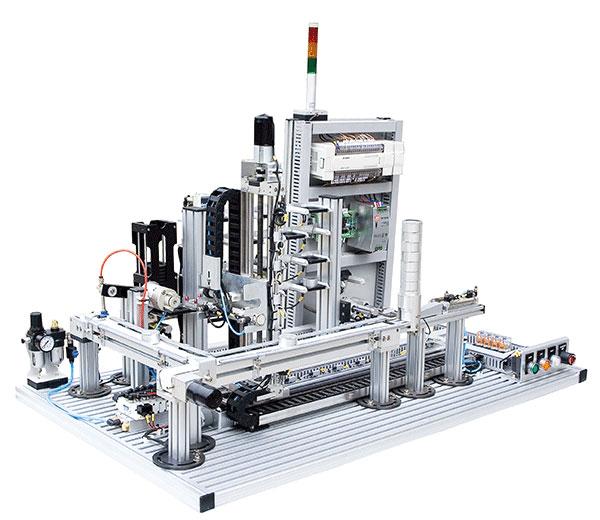
The product range in this category includes both complete integrated rigs and focused training stations. Some systems are built to represent automated production workflows, while others isolate key subfunctions such as sorting, transfer, conveyor buffering, robot motion, or optical and electromechanical coordination.
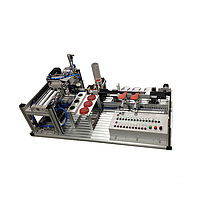
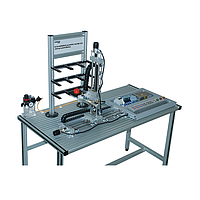
Examples include the DOLANG DLPCS-400 Filling Production Line Training System for process-line style instruction, the DOLANG DLFA-321 PLC Designer Training System for control-oriented learning, and the DOLANG DLJXS-501D Electro Robot Arm for motion and manipulation exercises. Systems such as the DOLANG DLFA-BCT Conveyor Belt Buffering Training Set and DOLANG DLFA-SCT transfer and sorting setup are useful when teaching sequence control, sensor interaction, and material handling logic.
Why integrated electromechanical training matters
Industrial automation rarely depends on a single technology. In real applications, students and technicians need to understand how motors, sensors, pneumatic devices, safety outputs, and controllers work together. That is why electromechanical integration trainers are valuable: they allow users to move beyond isolated theory and work with full control sequences.
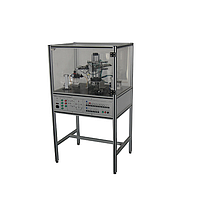
Several featured systems in this category are designed around this integrated approach, including the DOLANG DLFA-555F, DLFA-555D, DLFA-555C, and DLDS-555B Optical Electromechanical Integration Training Equipment models. These platforms can support learning around automatic detection, conveyor operations, actuator control, and general installation and commissioning workflows without requiring a full-scale production machine.
Key training topics covered by these systems
A strong mechatronics lab usually needs more than one type of practical exercise. Depending on the selected equipment, users can work on PLC I/O wiring, stepper and servo control concepts, pneumatic direction and sequence control, photoelectric sensing, conveyor handling, and production-line logic. This makes the category relevant for both introductory and intermediate automation training.
For example, the DOLANG DLDS-565A Optical Electromechanical Integration Training Equipment is oriented toward broad technical tasks such as pneumatic installation, PLC programming, communication practice, and automatic line commissioning. More compact stations, such as the DOLANG DLFA-DT33 Three Layers of Elevator Training System, can be useful when teaching structured logic, positioning, interlocking, and simulated building automation principles.
How to choose the right mechatronics training platform
The best choice depends on the training objective rather than on system size alone. If the goal is to teach basic PLC logic and wiring, a compact platform with clear I/O structure may be more effective than a larger integrated line. If the course focuses on multidisciplinary troubleshooting, a more complete setup with sensors, conveyors, actuators, and optional PLC or air components may offer better value.
It is also important to consider power requirements, available floor space, and the intended learner level. Some systems in this category are compact and suitable for bench-scale use, while others are designed for larger floor-standing installations. Training centers that also run broader STEM or laboratory programs may compare these setups with other educational categories such as information technology training or basic practice equipment depending on curriculum structure.
DOLANG equipment in this category
DOLANG is the main featured manufacturer in this category, with a range of systems aimed at automation education, skills assessment, and practical electromechanical instruction. The lineup includes production-line trainers, optical mechatronics platforms, PLC-oriented systems, conveyor modules, and robot-arm based learning equipment.
This variety is useful for institutions that want to build a progressive training path. A course may begin with PLC logic and sensor basics, continue into conveyor and transfer systems, and then expand toward integrated automation cells with pneumatic and communication elements. Because the systems cover multiple training scenarios, they can support both classroom demonstration and individual hands-on exercises.
Applications in schools, labs, and industrial training centers
Mechatronics training equipment is widely used in vocational schools, technical colleges, engineering departments, and workforce development programs. It supports teaching in automation, industrial maintenance, electrical control, manufacturing technology, and equipment commissioning. Instructors can use these systems to create guided tasks, fault-finding exercises, and competency-based assessments.
They are also relevant for organizations training technicians who will later work with packaging lines, conveyor systems, handling units, small automated cells, or PLC-controlled machinery. For institutions with specialized programs beyond factory automation, adjacent educational segments such as civil engineering training may sit alongside mechatronics within a broader technical learning environment.
Building a more effective training environment
A useful training setup should do more than demonstrate motion. It should help learners understand cause and effect across the full system: input signals, logic execution, actuator response, and process outcome. That is why categories like this are important for education providers looking to deliver practical automation training rather than only theoretical instruction.
Whether the requirement is a compact robot arm trainer, a conveyor-based practice station, or a more complete production-line simulator, this category brings together equipment that supports real-world learning in PLC programming, sensor application, pneumatic control, and integrated machine operation. Choosing the right platform starts with the course objective, learner level, and the type of industrial skills the program is designed to develop.
Get exclusive volume discounts, bulk pricing updates, and new product alerts delivered directly to your inbox.
By subscribing, you agree to our Terms of Service and Privacy Policy.
Direct access to our certified experts