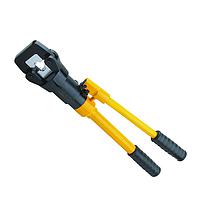
Crimping tool
Reliable wire termination starts long before a connector is inserted into a housing. In electrical assembly, panel building, harness production, and maintenance work, the quality of the crimp has a direct impact on conductivity, pull-out strength, and long-term stability. That is why choosing the right Crimping tool matters for both productivity and connection quality.
This category brings together tools for different crimping tasks, from compact hand tools for routine workshop use to hydraulic options for larger cable sizes and more demanding field work. Whether you are working with terminals, machined contacts, round heads, or non-insulated ferrules, the right tool helps achieve more consistent results and reduces rework during assembly.
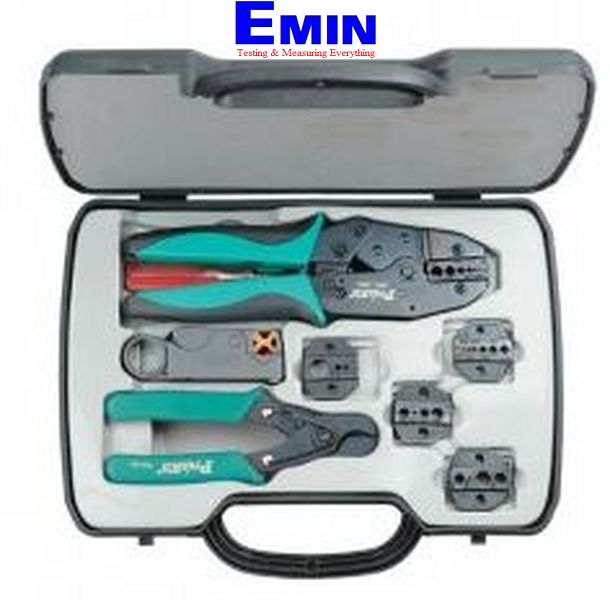
Where crimping tools are used in industrial and electrical work
Crimping tools are common in control cabinet assembly, cable harness fabrication, connector termination, equipment repair, and on-site electrical installation. In these environments, technicians often need repeatable compression on conductors and terminals without damaging the wire strands or connector body. A suitable tool supports that balance between secure mechanical retention and dependable electrical performance.
They are also relevant in maintenance workflows where speed and portability are important. A compact manual model may be ideal for standard terminal work, while a hydraulic design is better suited to larger cross-sections or higher crimping force requirements. For broader workshop support, teams may also combine crimping equipment with repair kit items for service and field intervention tasks.
Common tool types in this category
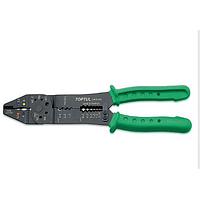
This category covers several practical formats. Hand crimping pliers are widely used for day-to-day assembly because they are simple to carry, quick to deploy, and appropriate for many low-to-medium wire ranges. These tools are a good fit for maintenance benches, production stations, and general-purpose electrical work.
For heavier conductors or repeated high-force applications, hydraulic crimping tools provide greater output with less operator effort. There are also specialized crimp tools designed around specific contact families, connector systems, or die sets. In connector-focused applications, matching the tool profile to the terminal geometry is often more important than choosing a generic tool with a wide but less precise range.
Representative products for different crimping needs
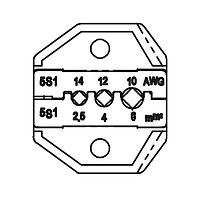
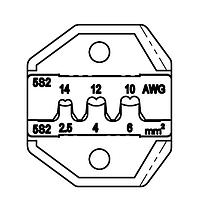
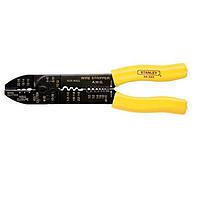
For general workshop use, the STANLEY 84-223 9 inch crimping tool offers a straightforward manual format that suits routine terminal work where portability and familiarity are important. Another practical example is the SATA 91116 contact crimping tool, which is intended for smaller section ranges and specialized crimping of round heads and non-insulated pipes. Tools in this class are typically chosen when operators need better control in tighter spaces or for repeated bench work.
When larger cable sizes are involved, the SATA 51040 Li-Ion hydraulic crimping tool represents a different tier of capability. Its hydraulic mechanism and wider crimping range make it more suitable for demanding applications where manual force is not enough. This kind of solution is useful in power distribution work, cable installation, and jobs where crimping consistency across larger conductors is essential.
For connector-specific assembly, models such as Hirose Electric HT702, Amphenol TE0500, Amphenol 47-10120, and several Molex crimp tools are relevant examples. These tools are typically selected to match a defined contact series or connector platform, helping users maintain the intended crimp profile for the manufacturer’s termination system.
How to choose the right crimping tool
The first selection factor is the wire and terminal range. Cross-section, AWG range, insulation diameter, and terminal style all influence which tool will work properly. A mismatch can lead to under-crimping, over-compression, poor retention, or deformation of the contact.
The second factor is application frequency and working environment. If the tool will be used occasionally for service jobs, a manual hand tool may be enough. For repetitive production work or larger cable sizes, hydraulic assistance, dedicated dies, or manufacturer-specific tooling may be more appropriate. Tool length, grip design, and accessibility in narrow installation areas can also affect operator efficiency.
Another important point is whether the job requires a universal tool or a connector-system-specific tool. Products such as Hirose Electric HT702 or Amphenol TE0500 are more relevant where precision termination for a defined contact family is required, while general hand crimpers may be better for common terminal work across maintenance and workshop tasks.
Why manufacturer-matched tooling is often important
In many connector applications, the terminal geometry is designed around a very specific crimp profile. Using the recommended tool family can help maintain more predictable compression on the conductor and insulation support sections. This is particularly important for machined contacts, signal connectors, and high-density interconnect systems where termination quality directly affects assembly reliability.
Examples in this category include products from Amphenol, Hirose Electric, and Molex, all of which are well known in connector ecosystems. Tools such as the Molex 1201550012 hand crimp tool for 14-28 AWG contacts or the Molex 639041500 FineAdjust applicator show how crimping equipment can be part of a larger termination process rather than a standalone hand tool purchase.
Related workshop tools and workflow considerations
Crimping is often only one step in the broader assembly process. Technicians may strip wires, prepare contacts, fasten hardware, and complete final installation in sequence. For that reason, many buyers evaluate crimping tools alongside general bench equipment such as socket wrench sets or other hand tools used during panel or equipment assembly.
It is also useful to think about tool standardization across teams. Keeping compatible tool formats, clear wire-range coverage, and application-specific tooling within the same workflow can simplify training and reduce selection errors on the shop floor. This is especially valuable in B2B environments where repeatability and maintenance efficiency matter as much as the initial purchase.
Finding the right fit for your application
The best choice depends on the type of termination, conductor size, usage frequency, and the level of precision your assembly process requires. A compact manual crimper may be suitable for everyday service work, while a hydraulic model or connector-specific tool is often the better option for higher-force or higher-accuracy jobs.
By reviewing the available crimping tools in this category, buyers can compare general-purpose and specialized options in one place and select a solution that matches their electrical assembly workflow more closely. A well-matched tool supports cleaner terminations, more efficient work, and more dependable results across maintenance, installation, and production tasks.
Get exclusive volume discounts, bulk pricing updates, and new product alerts delivered directly to your inbox.
By subscribing, you agree to our Terms of Service and Privacy Policy.
Direct access to our certified experts