
Panasonic
Reliable automation projects depend on components that can operate consistently in demanding industrial environments while remaining easy to integrate into a wider control architecture. When buyers search for Panasonic automation equipment, they are often comparing device compatibility, long-term maintainability, and how well each component fits into existing machine control, monitoring, and electrical systems.
Panasonic products are widely used in industrial automation and electrical applications where stable control, compact design, and practical system integration matter. This category brings together Panasonic-related equipment for engineers, maintenance teams, machine builders, and industrial purchasing departments that need a clearer path to selecting suitable devices for production and facility use.
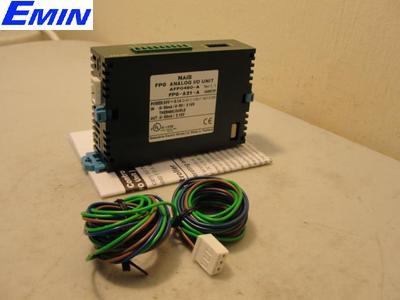
Where Panasonic equipment fits in industrial automation
In many factories and machine installations, automation hardware is not chosen as a standalone item. It is part of a broader ecosystem that may include controllers, I/O expansion, operator interfaces, sensing devices, monitoring tools, and protection equipment. Panasonic components are typically considered when a project requires dependable operation, straightforward panel integration, and compatibility with standard industrial control practices.
This makes the category relevant for both new installations and retrofit work. Whether the requirement is to support machine control, improve panel organization, or replace aging hardware in an existing line, the focus is usually on selecting equipment that can work smoothly within the larger automation system rather than evaluating a single part in isolation.
Typical applications and user needs
Panasonic automation products are commonly evaluated in manufacturing, assembly lines, packaging systems, material handling, and utility control panels. In these environments, purchasing decisions are often driven by practical questions: how the device will be wired, how it will communicate with surrounding equipment, and how easy it will be to service over time.
For maintenance teams, availability and replacement planning are just as important as initial installation. For system integrators, the priority may be compact layout, signal handling, and compatibility with the control strategy already in place. For OEMs and panel builders, selecting from a recognized brand can simplify documentation, parts standardization, and future expansion.
How to evaluate Panasonic products for your project
Choosing the right item from a Panasonic category starts with understanding the role of the component in the system. Some applications prioritize control performance, others focus on monitoring, communication, or modular expansion. Before selecting any device, it is helpful to confirm the operating environment, panel space, electrical requirements, and whether the component will be part of a new design or a replacement scenario.
It is also important to look beyond the individual product and consider the surrounding architecture. For example, projects that involve visualization or supervisory monitoring may also need supporting SCADA components. If the application involves event capture or operational data tracking, related solutions such as data logger devices for automation systems may also become relevant during specification.
Considering system compatibility and expansion
Industrial buyers rarely choose equipment based only on brand preference. A better approach is to confirm how a Panasonic device will interact with other control elements already installed on the machine or in the panel. This includes signal flow, mounting approach, communication expectations, and how future modifications might affect the original design.
Scalability matters as well. A system that works for a single station today may later require additional modules, better monitoring, or more structured control segmentation. In that context, browsing related Panasonic-specific hardware such as Panasonic modules can help define a more flexible architecture from the start, especially for projects expected to evolve over time.
Panasonic in relation to broader electrical infrastructure
Automation equipment operates inside an electrical environment that must remain safe, organized, and serviceable. That is why category selection should not stop at control devices alone. Engineers and procurement teams often review automation hardware together with panel protection, distribution strategy, and related switching equipment.
For applications where protection coordination is part of the purchasing process, related product groups such as air circuit breakers may also need to be considered alongside control hardware. Looking at the full electrical and automation picture helps reduce mismatches between panel design, operational requirements, and future maintenance needs.
Why this category is useful for B2B sourcing
A focused category page helps technical buyers narrow down options faster and compare suitable equipment within a defined brand context. Instead of searching across unrelated product groups, buyers can review Panasonic-related solutions with a clearer understanding of where they fit in the industrial workflow and what adjacent categories may be relevant.
This is particularly useful for purchasing teams working from BOMs, maintenance departments handling part replacement, and integrators preparing system upgrades. A structured category also supports more efficient discussion between technical and commercial stakeholders, especially when projects involve multiple control, monitoring, and electrical elements that must work together.
Selection priorities for engineers and procurement teams
When reviewing Panasonic equipment, the most effective selection process usually balances technical suitability, lifecycle support, and installation practicality. This means checking whether the component matches the intended automation role, whether it aligns with the panel or machine layout, and whether future servicing will be manageable for the site team.
It is also wise to think in terms of standardization. Using compatible components across similar machines or production areas can simplify spare parts management and reduce engineering effort during expansion. For many B2B buyers, that long-term efficiency is just as important as the initial purchase decision.
Final thoughts
Choosing Panasonic equipment is usually part of a broader decision about how to build or maintain a dependable industrial control environment. The right selection depends on application context, system compatibility, and how the equipment will support operation over time.
This category is intended to make that process more practical by bringing Panasonic-related options into one place while keeping the wider automation and electrical context in view. If you are planning a new project, upgrading an existing panel, or sourcing replacement parts, a careful review of application needs and related system categories will lead to a more suitable and maintainable solution.
Get exclusive volume discounts, bulk pricing updates, and new product alerts delivered directly to your inbox.
By subscribing, you agree to our Terms of Service and Privacy Policy.
Direct access to our certified experts