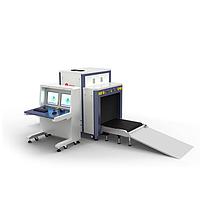
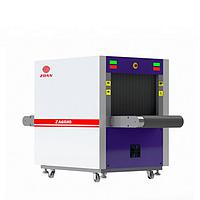
X Ray Baggage Scanner
Security screening workflows depend on fast image interpretation, stable conveyor handling, and equipment that matches the size and risk profile of the checkpoint. In transport hubs, government buildings, logistics areas, factories, and event venues, the right scanner helps teams inspect bags, parcels, and cargo without slowing down operations.
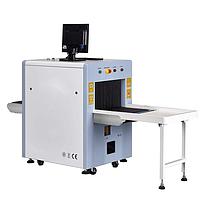
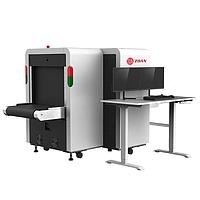
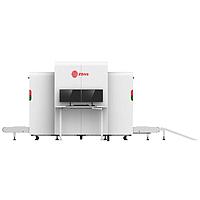
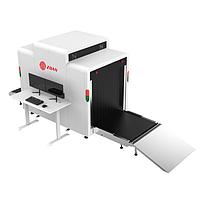
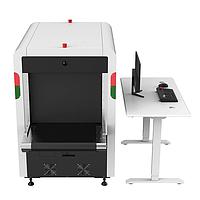
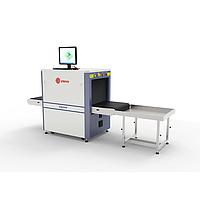
X Ray Baggage Scanner systems in this category are intended for routine security inspection across a wide range of checkpoint formats. The selection includes compact units for smaller items, mid-size tunnel systems for standard baggage, and larger platforms for bulky luggage or cargo, making it easier to choose equipment that fits both installation space and inspection demand.
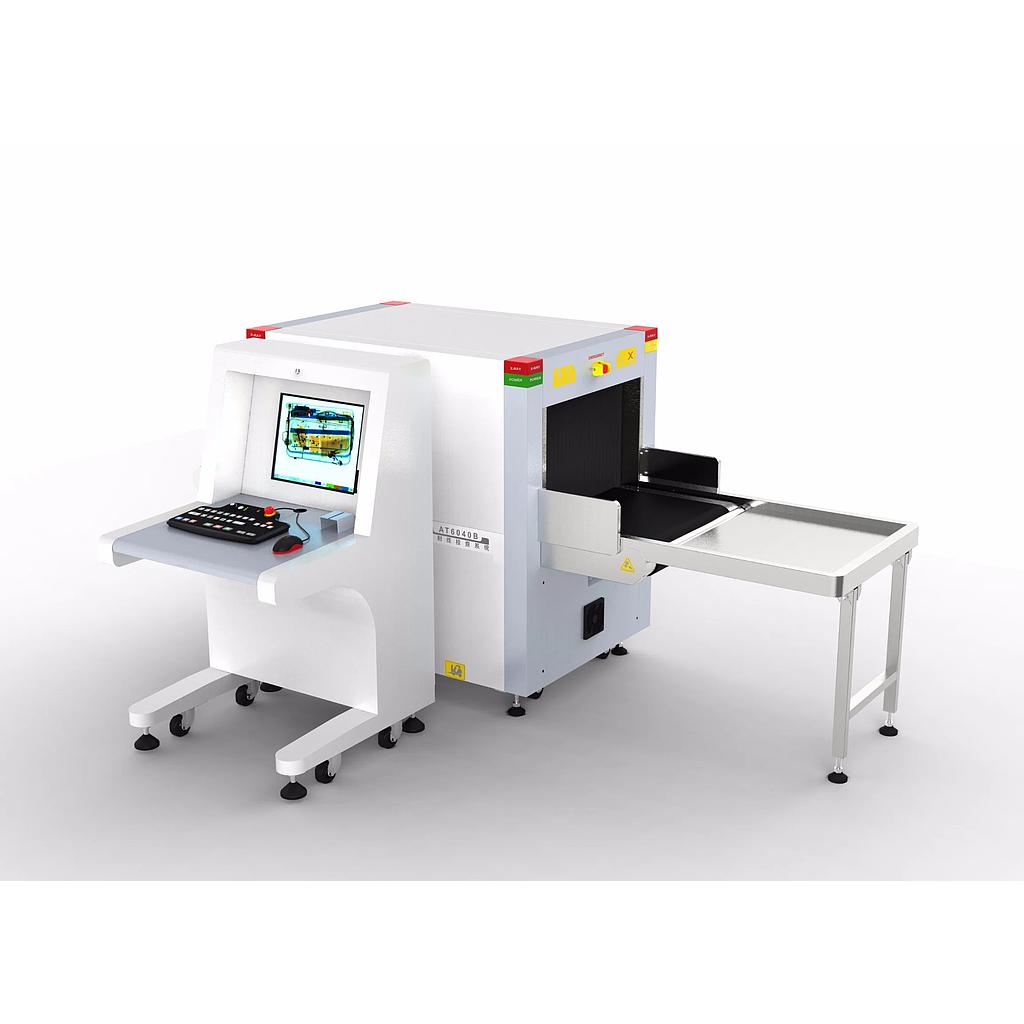
Where these scanners are typically used
X-ray baggage inspection is commonly used anywhere operators need a non-intrusive view of the contents inside bags, boxes, or carried items. Typical applications include airport and station checkpoints, courthouse and public building entrances, warehouse receiving areas, industrial sites, and high-traffic commercial facilities.
Depending on the environment, screening may focus on hand-carried baggage, parcels, oversized luggage, or heavier cargo. In broader security setups, these systems are often deployed alongside tools such as explosive and liquid detectors when multiple screening methods are required at the same checkpoint.
How to compare scanner sizes and inspection capacity
One of the first selection criteria is tunnel size. Smaller channels are suitable for handbags, backpacks, and compact parcels, while larger tunnels are better for suitcases, bulky equipment cases, and freight-like loads. Conveyor load rating also matters, especially in environments where heavier items are routinely screened.
For example, compact models such as the ZOAN ZA5030 AI x-ray Baggage Scanner and ZA6040 Multi Energy x-Ray Baggage Inspection System are aligned with smaller checkpoint footprints. Mid-range options such as the ZOAN ZA6550A X-ray Baggage Scanner or ZA6550 AI Intelligent Security Inspection Machine provide a practical balance for standard baggage handling, while larger systems like the ZOAN ZA10080 X Ray Baggage Scanner, ZA100100 Cargo Inspection, and ZA150180 X Ray Baggage Scanner are more relevant when item dimensions and throughput requirements increase.
Key technical points that influence real screening performance
Beyond physical size, buyers usually compare image quality and penetration capability. In day-to-day use, this affects how clearly operators can distinguish materials, identify suspicious shapes, and work efficiently during continuous screening. Specifications such as wire resolution, steel penetration, display quality, and image gray level help indicate how well a system can support visual analysis.
Conveyor speed also influences throughput and operator comfort. Many systems in this category operate around standard screening speeds for steady item movement, which is useful for routine bag inspection. For installations where image interpretation is critical, buyers may also look at whether the scanner uses single-view, dual-view, or multi-energy imaging, since these approaches can improve visibility depending on object density and packing complexity.
Single-view, dual-view, portable, and AI-assisted options
Not every checkpoint needs the same scanner architecture. A single-view system can be a practical fit for straightforward workflows, while dual-view scanners help reduce blind spots by providing additional perspectives on screened items. This can be useful in busier inspection areas or where bags are often densely packed.
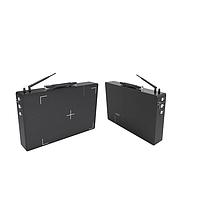
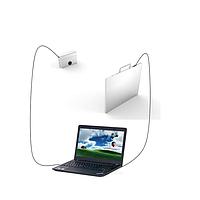
Within this range, the ZOAN ZA100100D X Ray Luggage Machine and ZOAN ZA6550D X-Ray Airport Baggage Scanner illustrate the dual-view approach for larger and standard baggage formats. For mobile or temporary screening tasks, the ZOAN ZA4030BX Portable x Ray Baggage Scanner supports a more flexible deployment style. Models such as the ZA5030 AI x-ray Baggage Scanner and ZA6550 AI Intelligent Security Inspection Machine also reflect the growing demand for AI-assisted screening features in modern security operations.
Choosing by installation environment
A suitable scanner is not defined by tunnel size alone. Available floor space, conveyor height, power conditions, ambient temperature range, and daily operating duration all influence whether a model will be practical in the field. In fixed checkpoints, teams often prioritize stable throughput and ergonomic loading. In temporary or space-constrained locations, compact dimensions and simpler deployment may carry more weight.
For organizations standardizing around a single brand, this category prominently features ZOAN security inspection equipment across multiple scanner formats. That can be useful when comparing several tunnel sizes within one product family or when planning a staged rollout from small baggage screening to larger cargo inspection points.
How these systems fit into a wider security setup
An X-ray scanner is usually one part of a larger checkpoint design rather than a standalone purchase decision. Entry control, under-vehicle inspection, manual secondary screening, and special-purpose detection equipment may all be relevant depending on the site. Considering the full process helps avoid choosing a scanner that is technically capable but operationally mismatched.
For vehicle access control zones, teams may also review UVSS systems as part of layered inspection. In facilities dealing with surveillance threats or countermeasure requirements, related categories such as bug and spy detection devices may also be relevant, though their role is different from baggage imaging.
What to look for before making a final shortlist
Before selecting a model, it is helpful to define the maximum item size, expected throughput, typical item weight, and the level of image detail needed by operators. This usually narrows the choice much faster than comparing product names alone. It is also worth checking whether the application needs standard baggage inspection, airport-style screening, oversized parcel handling, or cargo-oriented scanning.
Operational fit should remain the main decision factor. A compact scanner may be ideal for controlled entrances with small bags, while a larger cargo-capable system is more suitable for logistics or industrial access points. Reviewing example models in this category can help procurement teams compare scanner form factors more effectively and identify a realistic shortlist for their site conditions.
Final considerations
The best category choice is usually the one that aligns inspection size, image capability, and workflow requirements without adding unnecessary complexity. From portable and compact units to larger dual-view and cargo inspection platforms, this range is designed to support different security screening scenarios with clearer equipment segmentation.
If you are comparing checkpoint configurations, use this category to evaluate tunnel dimensions, screening format, and deployment context first. That approach makes it easier to match an X-ray baggage scanner to real operating conditions instead of selecting solely by model name or isolated specifications.
Get exclusive volume discounts, bulk pricing updates, and new product alerts delivered directly to your inbox.
By subscribing, you agree to our Terms of Service and Privacy Policy.
Direct access to our certified experts