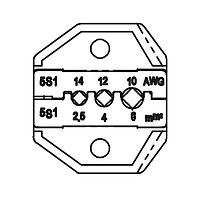
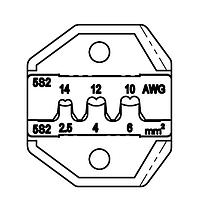
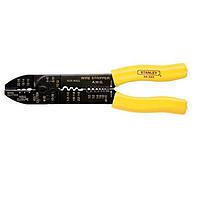
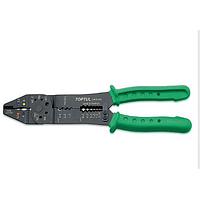
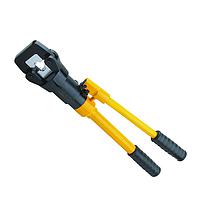
Crimping tool
Reliable terminations matter just as much as the sensor itself when building or maintaining a temperature measurement setup. A poorly crimped connection can introduce signal instability, intermittent faults, or unnecessary downtime, especially in environments where thermocouples and related wiring are exposed to vibration, heat, or frequent handling. That is why choosing the right crimping tool is an important part of a dependable temperature accessory workflow.
In this category, crimping tools are intended to support clean, repeatable electrical terminations for temperature measurement assemblies and related connector work. They are commonly used during cable preparation, sensor lead assembly, repair work, and panel integration where secure mechanical and electrical contact is essential.
Why crimp quality matters in temperature measurement
Temperature sensing circuits often carry low-level signals, so connection quality can directly affect measurement consistency. A proper crimp helps maintain electrical continuity while reducing the chance of loose contacts, uneven compression, or conductor damage caused by unsuitable hand tools.
For technicians and integrators, a dedicated tool also improves repeatability across multiple assemblies. Whether the application involves replacing a damaged terminal, preparing new sensor leads, or building cable sets for industrial equipment, the goal is the same: a stable connection that supports accurate data and long-term reliability.
Where crimping tools fit within the accessory ecosystem
Crimping is only one step in the broader process of temperature accessory preparation. In many installations, it works alongside cable routing, junction transitions, connector mounting, and sealing methods used to protect the measurement path from contamination or mechanical stress.
Depending on the application, users may also need supporting items such as feedthrough components for passing sensor wiring through panels or enclosures, or adhesives and thermal pastes when mounting probes and improving thermal contact at the sensing point. Looking at the full accessory chain helps ensure the crimped termination performs well in the real installation, not only on the bench.
Typical applications for crimping tools
These tools are relevant across laboratories, pilot lines, machine building, maintenance departments, and industrial process environments. They are especially useful wherever thermocouple leads, extension wires, connector contacts, or small termination hardware must be assembled with consistent compression.
Common use cases include sensor replacement, cable harness preparation, repair of damaged terminations, and production of test assemblies for temporary or permanent measurement points. In all of these scenarios, a purpose-built crimping tool helps reduce installation errors and supports a more professional finish than improvised methods.
What to consider when selecting a crimping tool
The first point is compatibility with the contact or terminal style being used. Crimp tools are typically selected according to conductor size, contact geometry, and the type of connector system in the assembly. In temperature measurement work, this is especially important because mismatched tooling can deform small contacts or fail to produce enough retention force.
It is also worth considering the expected usage frequency. For occasional maintenance, a straightforward manual tool may be suitable, while repeated assembly tasks benefit from a design that supports operator comfort and more consistent compression. When teams work across mixed connector ecosystems, it can also be helpful to review related manufacturer options from brands such as OMEGA or connector-focused suppliers like Amphenol, depending on the broader termination and interconnect requirements of the system.
Benefits of using the correct tool instead of general pliers
A dedicated crimping tool is designed to apply force in a controlled way to a specific terminal form. That improves mechanical retention and contact consistency while lowering the risk of over-compression, insulation damage, or conductor breakage. In temperature measurement assemblies, these details can make a meaningful difference in signal stability and service life.
Using the correct tool also supports faster work during repetitive assembly and maintenance. Technicians can produce cleaner results with less rework, which is particularly valuable when sensor circuits are installed in difficult-to-access locations or when downtime must be kept to a minimum.
Related tools and process steps
Some projects require more than crimping alone. Fine thermocouple fabrication, junction preparation, or specialized sensor lead work may call for related equipment such as a fine wire and thermocouple welder. This is especially relevant when the application involves custom junction creation rather than only connector termination.
In practice, the best workflow often combines proper wire preparation, suitable termination tooling, and installation accessories matched to the operating environment. Thinking in terms of the complete measurement chain helps avoid weak points that only appear after the system is already in service.
Choosing for maintenance, prototyping, or production
Maintenance teams usually prioritize a tool that is practical, reliable, and easy to use during field repairs. For prototyping and engineering development, flexibility may matter more, especially when different wire sizes or connector formats are being evaluated. Production-oriented users often focus on repeatability, operator efficiency, and a lower risk of termination variation between assemblies.
This means the right choice depends less on marketing claims and more on the actual work being done. Contact style, volume of use, service conditions, and the importance of measurement stability should guide selection. A well-matched crimping tool supports both assembly quality and the long-term performance of the temperature measurement system.
Final notes
When temperature signals need to remain dependable, connection quality should never be treated as an afterthought. The right crimping tool helps create secure terminations, reduce avoidable faults, and support cleaner installation practices across maintenance, testing, and industrial integration tasks.
If you are comparing options in this category, it makes sense to evaluate the tool in the context of the full accessory setup, including wiring path, mounting method, and connector system. A well-planned termination process leads to more consistent results and a more robust temperature measurement installation overall.
Get exclusive volume discounts, bulk pricing updates, and new product alerts delivered directly to your inbox.
By subscribing, you agree to our Terms of Service and Privacy Policy.
Direct access to our certified experts