
NI-120 Type Temperature Sensor
Accurate temperature feedback often starts with choosing the right sensing element for the environment, signal chain, and control objective. In industrial monitoring, HVAC systems, process equipment, and building automation, a stable resistance-based sensor can be a practical option when repeatability and straightforward integration matter. NI-120 Type Temperature Sensor products are commonly considered in applications that need dependable temperature measurement using a nickel-based sensing characteristic.
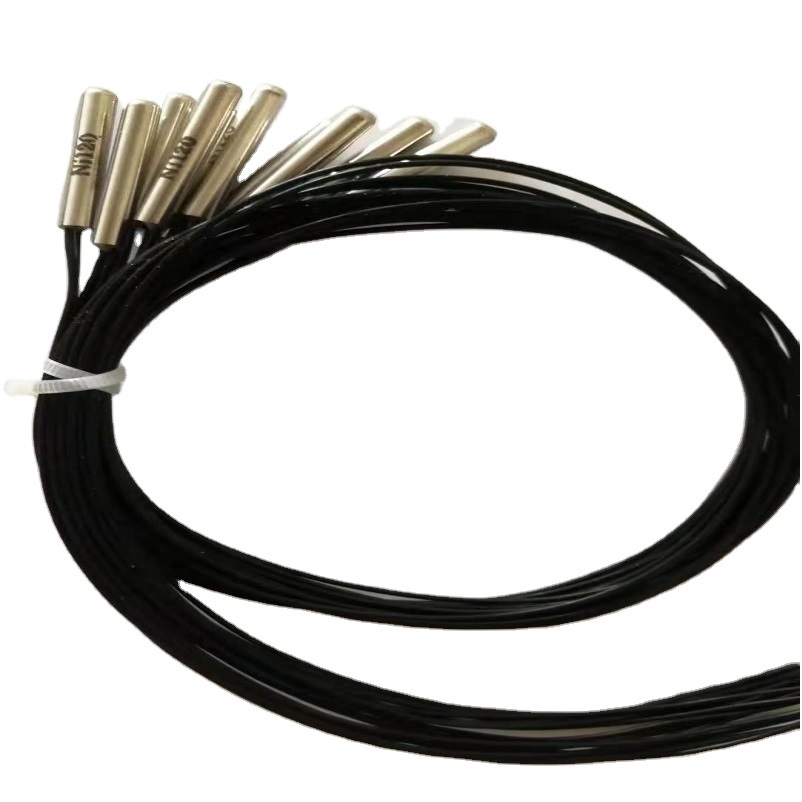
Where NI-120 temperature sensors fit in temperature measurement
An NI-120 type sensor belongs to the broader family of resistance temperature sensors, where temperature is determined by the change in electrical resistance of the sensing material. In practical systems, this makes the sensor suitable for monitoring air, surfaces, pipes, equipment housings, and other points where a controller, transmitter, or measurement device needs a predictable input.
Compared with other temperature sensing technologies, nickel-based elements are often selected when the measurement circuit is designed around that sensor characteristic or when compatibility with an existing control platform is important. If you are comparing sensor technologies for a wider project, it can also be useful to review other industrial temperature sensors used in plant and machine applications.
Typical applications in industrial and building systems
NI-120 type sensors are relevant in systems where temperature trends influence control logic, protection routines, or energy efficiency. Examples include air handling units, heating and cooling circuits, duct or pipe temperature monitoring, and equipment supervision in control cabinets or process skids. In these environments, the sensor is not just measuring temperature; it is supporting stable operation and helping operators react before temperature drift affects performance.
They are also useful in retrofit work. When an existing controller or BMS already expects a nickel-based temperature input, choosing the matching sensor type can simplify replacement and reduce the need for signal conversion. That compatibility can be just as important as the sensing element itself in day-to-day maintenance.
How to choose the right NI-120 type sensor
The most important starting point is system compatibility. Before selecting a device, confirm that the receiving controller, indicator, or transmitter is designed for NI-120 input. A sensor may be physically suitable for the application but still be the wrong choice if the electronics are configured for another resistance curve.
Installation conditions also matter. Consider whether the sensor will be mounted in air, on a surface, or in contact with a liquid through a thermowell or probe assembly. Cable length, ambient conditions, response time expectations, and mechanical protection should be reviewed early, especially in industrial environments where vibration, moisture, or temperature cycling can affect long-term performance.
For compact electronics and embedded designs, board-level options may be more appropriate than field-mounted probes. In those cases, related categories such as board mount temperature sensors can help narrow the search based on assembly style and integration method.
Comparing NI-120 sensors with other common temperature sensor types
Not every application should use the same sensing principle. Some systems prioritize broad temperature range, while others focus on compact size, sensitivity over a narrower span, or compatibility with existing control hardware. That is why engineers often compare nickel sensors with thermistors, thermocouples, and other resistance-based devices during design or replacement planning.
For example, if the project uses a highly responsive resistive element in electronic control circuits, a thermistor sensor may be part of the comparison. In higher-temperature process environments, a K-type temperature sensor may be considered instead. The right choice depends less on popularity and more on measurement range, controller input type, installation constraints, and the operating environment.
Integration considerations for reliable measurement
A temperature sensor performs best when the entire measurement chain is treated as one system. This includes the sensing element, wiring, mounting method, controller input, and any protective hardware. Even a suitable NI-120 element can produce unstable or misleading readings if it is poorly positioned, exposed to unwanted thermal influence, or connected with inadequate wiring practices.
Sensor placement should match the true process point you want to observe. A probe installed too far from the thermal source, or too close to another heat influence, may respond accurately to the wrong temperature. Good installation practice also includes securing the sensor properly, protecting cable runs where needed, and checking whether the control device expects a specific connection method.
When NI-120 type sensors make sense in replacement projects
Replacement work often has a different decision logic than new design. In an upgrade or service scenario, the priority is usually to maintain measurement behavior that the existing controller already understands. If the installed control system is calibrated for NI-120 input, using the same sensor type can reduce engineering time and avoid unnecessary reconfiguration.
This is especially relevant in facilities with mixed generations of automation equipment. Rather than redesigning the entire temperature input layer, maintenance teams may prefer a compatible sensor that restores function quickly and keeps the original measurement concept intact. In these cases, choosing by electrical characteristic is often more important than choosing by appearance alone.
Related sensor categories for broader selection
Temperature measurement requirements vary widely across industries, so it is often helpful to review adjacent product groups before finalizing a specification. Applications that need a different resistive curve may align better with an NTC-type temperature sensor, while more specialized environments may call for another sensing technology entirely.
Looking across related categories can help clarify whether the main requirement is compatibility, response behavior, installation form, or operating range. That comparison process typically leads to a better long-term fit than selecting solely by name or legacy part description.
Conclusion
Choosing an NI-120 type temperature sensor is ultimately about matching the sensor characteristic to the control system, installation method, and operating conditions. For industrial maintenance, building systems, and retrofit projects, that match can improve measurement consistency and make integration more straightforward.
If you are narrowing down options for a new design or a replacement requirement, focus on input compatibility, mounting conditions, and the real measurement point in the process. A well-selected sensor supports more stable control, clearer diagnostics, and a temperature measurement setup that remains practical over time.
Get exclusive volume discounts, bulk pricing updates, and new product alerts delivered directly to your inbox.
By subscribing, you agree to our Terms of Service and Privacy Policy.
Direct access to our certified experts