Pressure Nebulizer
Reliable aerosol delivery matters in daily respiratory care, whether the device is used at home, in a clinic, or for routine supportive treatment under professional guidance. Choosing the right Pressure Nebulizer often comes down to practical factors such as treatment format, portability, operating mode, medication capacity, and ease of use for adults or children.
On this category page, you can explore pressure nebulizer solutions suited to different usage needs, from compact handheld units to larger compressor-based systems. The range is especially relevant for buyers looking for equipment that balances consistent nebulization performance with straightforward setup and maintenance.
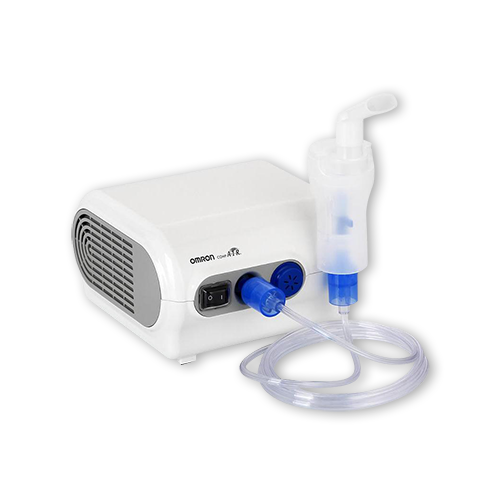
Where pressure nebulizers fit in respiratory care
A pressure nebulizer converts liquid medication into a fine aerosol so it can be inhaled more easily through a mouthpiece or mask. In practice, these devices are commonly selected when users need a familiar treatment method that works with a compressor or mesh-based design, depending on mobility requirements and the treatment environment.
Within a broader healthcare setup, nebulizers are often considered alongside other everyday monitoring tools such as a blood pressure monitor or a medical thermometer. That makes this category useful not only for individual buyers, but also for clinics, pharmacies, and medical distributors building a practical respiratory and home-care product mix.
Main device types in this category
One of the most important distinctions is between compressor nebulizers and compact portable formats. Compressor models are widely used because they offer a stable air source and are often suitable for repeated treatment sessions. They are typically chosen for home care, outpatient use, or shared family use where durability and accessory support are important.
Portable devices, including lightweight handheld options, are more attractive when convenience and mobility are priorities. They can be easier to carry, store, and use during travel or in situations where a full-sized compressor unit would be less practical. The right choice depends less on marketing labels and more on how often the device will be used, where it will be used, and who will be using it.
Representative OMRON models for different needs
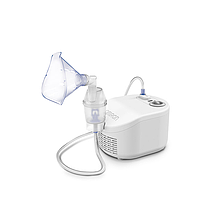
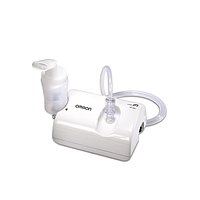
This category includes several well-known models from OMRON, covering both compact and standard compressor formats. For buyers who prioritize portability, the OMRON NE-U100 stands out as a lightweight handheld option powered by batteries or an optional AC adapter, making it relevant for mobile use cases and quick access treatment.
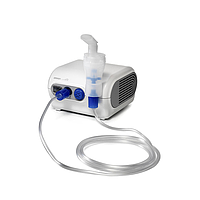
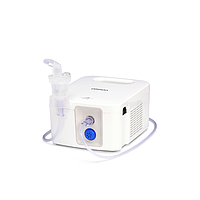
For more conventional compressor-based operation, models such as the OMRON NE-C801 and OMRON NE-C101 support routine home use with practical accessory sets that typically include masks, air tubing, and mouthpieces. Where users need a larger compressor platform, the OMRON NE-C28 and OMRON NE-C900 are examples of units commonly considered for more frequent sessions or applications where airflow and consistent aerosol generation are key selection points.
These examples illustrate the breadth of the category: small-format devices for convenience, mid-sized units for day-to-day home treatment, and larger systems for users who prefer a more robust compressor-based setup. Product comparison should focus on operating mode, size, tank capacity, and included accessories rather than on model number alone.
What to compare before buying
When reviewing pressure nebulizers, start with the intended use pattern. A portable unit may be enough for occasional personal use, while a larger compressor device may be a better fit for regular treatments, multi-user household use, or environments where the device needs to run with fewer compromises on airflow and delivery consistency.
It is also worth checking practical details such as medication container capacity, power input, overall weight, and whether the unit is designed for intermittent or continuous operation. These factors affect not only treatment workflow but also storage, transport, and user comfort during daily handling.
Accessories should not be overlooked. Adult masks, child masks, mouthpieces, air tubes, and spare filters directly influence day-to-day usability. For B2B buyers, these bundled components can also affect replenishment planning, after-sales support, and suitability for different patient groups.
Selection considerations for home care and professional procurement
For home users, the decision is often driven by ease of setup, cleaning routine, device size, and whether the nebulizer needs to be shared by more than one family member. Compact units may reduce storage issues, while standard compressor models can feel more familiar and straightforward for repeated use in one location.
For clinics, resellers, and healthcare supply teams, procurement usually requires a wider view. Standardization across accessories, clear operating conditions, and a recognizable brand ecosystem can simplify training and support. In that context, a category anchored by established products from OMRON can be useful when consistency across multiple units matters.
Buyers managing a broader home-health portfolio may also review adjacent categories such as blood glucose meters or body fat and weight management scales when building a more complete patient monitoring offering.
Why specifications should be read in context
Technical values such as power consumption, nebulization rate, particle size reference, tank capacity, and operating temperature can help narrow the shortlist, but they should be interpreted in relation to real usage. A lighter device is not automatically the right choice if treatment is frequent and stationary. In the same way, a higher-power compressor model may be more appropriate when stability and treatment routine take priority over portability.
It is also important to assess maintenance implications. Filters, masks, medication cups, and tubing are part of the working system, not secondary details. A nebulizer that matches the user’s routine and cleaning discipline will usually be a better long-term fit than one selected only on headline numbers.
Choosing the right pressure nebulizer with confidence
A well-matched nebulizer should support the actual treatment environment, the user profile, and the expected frequency of use. Some buyers need a compact device that travels easily, while others need a larger compressor unit with familiar operation and accessory flexibility. This category is designed to help compare those options more clearly without overcomplicating the decision.
If you are evaluating models for home care, retail supply, or medical distribution, focus on the basics that affect everyday performance: form factor, operating mode, included components, and suitability for adult or child use. With those points in mind, the pressure nebulizer range becomes easier to navigate and compare in a practical, procurement-ready way.
Get exclusive volume discounts, bulk pricing updates, and new product alerts delivered directly to your inbox.
By subscribing, you agree to our Terms of Service and Privacy Policy.
Direct access to our certified experts