
Vein Finder
Finding a suitable vein quickly can make routine blood draws, IV placement, and other clinical procedures more efficient and more comfortable for both staff and patients. In busy care settings, devices that help visualize superficial vessels are especially useful when working with pediatric, elderly, dehydrated, or hard-to-access patients.
Vein Finder devices use infrared-based visualization to project or display vein patterns on the skin surface, helping clinicians identify vessel location before puncture. For hospitals, clinics, and specialized care providers, this category supports a more practical workflow where speed, visibility, and ease of handling all matter.
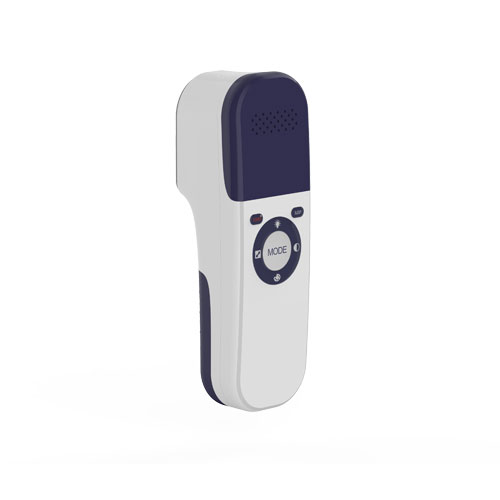
Where vein visualization devices are commonly used
Vein finders are often used in outpatient clinics, hospitals, emergency care, infusion therapy, and laboratory sampling areas. Their role is to assist with vascular access by improving visibility of superficial veins, especially when direct visual assessment is difficult under ambient lighting or on challenging skin types.
These devices can also be relevant in facilities that already rely on other monitoring and screening tools such as blood pressure monitors and blood glucose meters. In that broader clinical workflow, vein visualization becomes part of a practical bedside equipment ecosystem rather than a standalone tool.
How a vein finder supports clinical workflow
The basic principle is straightforward: infrared light interacts differently with blood vessels and surrounding tissue, allowing the device to capture and present a visible vein map. This does not replace clinical judgment, but it can give healthcare staff a clearer starting point when locating suitable access sites.
In day-to-day use, buyers often look beyond the core imaging function and consider ergonomics as well. A handheld unit should be easy to position, simple to recharge, and stable enough for repeated use during a shift. Features such as low operating noise, battery-powered mobility, and an onboard display can contribute to smoother operation in treatment rooms and mobile care settings.
Representative options in this category
Among the notable products in this range are the Zonkia QV-600 Vein Finder and the Zonkia QV-500 Vein Finder. Both are designed as handheld visualization tools for helping locate veins during clinical procedures, while differing in working distance, detection capability, and form factor considerations.
The Zonkia QV-600 Vein Finder is presented with a 25-35 cm working distance and positioning accuracy of ±0.3 mm, while the Zonkia QV-500 Vein Finder is listed with 8 mm infrared detection depth and ±0.5 mm positioning accuracy. These examples illustrate the kind of differences buyers may compare when selecting a device for routine phlebotomy, infusion support, or patient groups with difficult venous access.
Key factors to consider before choosing a device
Selection should start with the intended care environment. A compact unit may suit mobile nursing tasks or smaller clinics, while departments with frequent venipuncture may prioritize clearer projection, comfortable holding distance, and battery endurance over extended shifts. The right choice depends on workflow volume and the typical patient profile being treated.
It is also important to evaluate working distance, image presentation method, and portability. If operators need to maintain flexibility around bedsides or treatment chairs, weight and grip comfort become meaningful. Accuracy figures can be useful as a comparison reference, but they should be interpreted alongside practical factors such as user training, ambient light conditions, and consistency of use.
Fit within broader medical measurement and imaging setups
Although vein finders are highly specialized, they are often purchased alongside other diagnostic or patient assessment tools. Facilities expanding bedside screening capability may also review categories such as medical thermometers for temperature assessment or medical electronic imaging equipment for broader visualization needs.
This wider context matters for procurement teams because device compatibility, staff familiarity, charging routines, and storage practices often influence adoption just as much as technical performance. A vein finder is most valuable when it fits naturally into an existing clinical process and helps reduce unnecessary delays during patient care.
What buyers typically compare on a category page
For B2B purchasing, the category page is often the first step in narrowing down suitable models. Buyers usually compare handheld dimensions, battery type, operating noise, display format, and stated positioning capability. This makes it easier to identify whether a device is intended for occasional use, regular ward use, or more frequent vascular access support.
Product examples such as the Zonkia QV-600 and QV-500 help illustrate these distinctions without overwhelming the selection process. Rather than focusing only on specifications, it is more useful to consider how the device will perform in real procedures: how quickly staff can align it, whether it remains comfortable during repeated use, and whether the imaging approach suits the clinical team’s workflow.
Choosing the right vein finder for your application
A suitable device should balance ease of use, visibility support, and practical mobility. For teams handling difficult venous access on a regular basis, even small differences in positioning accuracy, projection stability, or battery convenience can affect day-to-day efficiency.
This category is intended for buyers looking for dependable vein visualization tools within the wider field of medical measuring equipment. By comparing application needs, handling preferences, and the representative models available, procurement teams can make a more informed shortlist for clinical use.
Get exclusive volume discounts, bulk pricing updates, and new product alerts delivered directly to your inbox.
By subscribing, you agree to our Terms of Service and Privacy Policy.
Direct access to our certified experts

