Hearing Aids
Clear, consistent sound support can make everyday communication easier in homes, clinics, care environments, and personal use settings. For buyers comparing devices in this area, the key is not only output level, but also how the hearing aid fits the user’s hearing condition, wearing preference, battery routine, and expected daily operating time. This Hearing Aids category brings together practical options for different amplification needs, with a focus on straightforward selection for medical and B2B procurement.
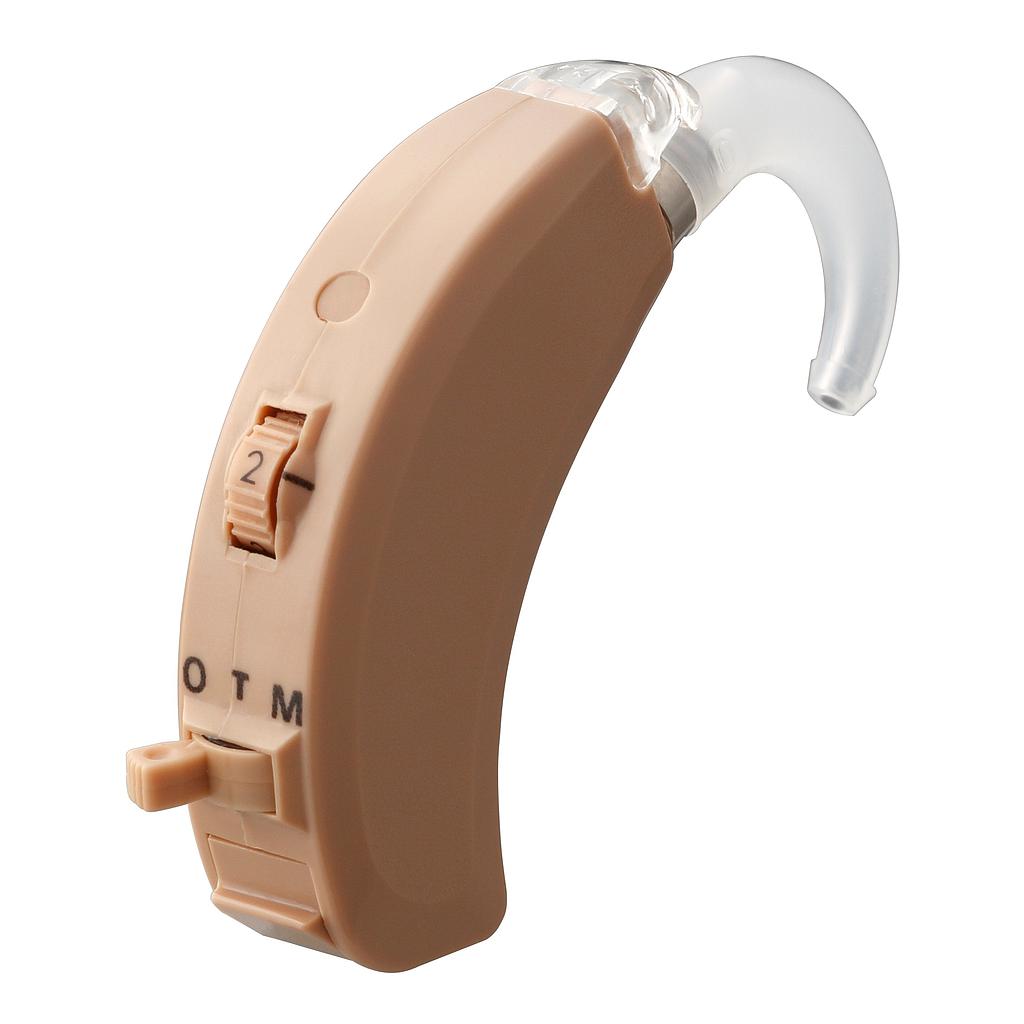
Where hearing aids are commonly used
Hearing aids are used to support speech audibility and improve listening comfort for people with reduced hearing sensitivity. In practice, they may be selected for personal daily use, elderly care support, rehabilitation contexts, outpatient supply, or distribution through medical equipment channels.
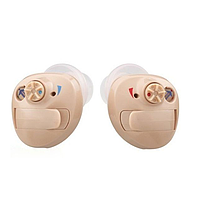
Because hearing loss levels and user habits vary widely, there is no single format that fits every case. Some users prefer compact in-ear styles for lighter amplification, while others may need higher gain, larger controls, or longer battery access that is easier to manage in day-to-day use.
Product range in this category
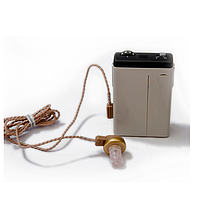
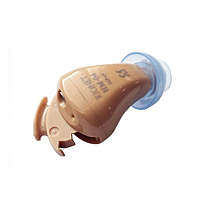
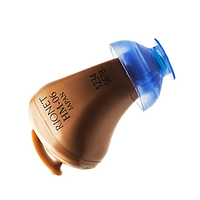
This category includes several RION hearing aid models that cover different gain levels and device formats. Examples include the RION HM-04 Hearing Aid (17dB), RION HM-06 Hearing Aid (22dB), and RION HC-A1 Digital Hearing Aid (26dB), which are relevant when looking at lighter to moderate amplification requirements.
For users who need stronger output, the range also includes options such as the RION HB-23P Hearing Aid (42dB) and the RION HA-20DX Hearing Aid (61dB). These examples illustrate how the category spans from compact everyday assistance to higher-gain models intended for more demanding hearing support situations.
Key factors to consider before choosing a model
The first point to review is the user’s required gain level. Lower-gain models may be suitable for mild hearing difficulty, while higher-gain devices are generally considered when more amplification is needed. The listed products show a broad spread, from 17dB and 22dB models up to devices rated at 42dB and 61dB.
Another important factor is frequency range, since speech clarity depends on how well a hearing aid handles common vocal frequencies. Buyers may also compare equivalent input noise, distortion behavior, battery type, and expected operating time, especially when the device will be used for long daily periods or supplied in quantity to end users.
Physical handling matters as well. Smaller devices can be more discreet, but larger units may offer easier switching, battery replacement, and manual adjustment. In care settings, these handling details can significantly affect usability for older users or for caregivers supporting setup and maintenance.
Comparing different hearing aid formats
Within this category, buyers can find both compact hearing aids and higher-output styles with different wearing methods. Models such as the HM-04 and HM-06 are small and lightweight, which may be attractive when a discreet form factor is preferred. Devices like the HB-23P or HA-20DX are more relevant when stronger amplification or easier physical handling is part of the selection criteria.
The RION HC-A1 Digital Hearing Aid also highlights another comparison point: digital processing. In practical purchasing terms, this may be relevant when looking for stable everyday use and more controlled sound support, although the final suitability still depends on the user profile and intended application.
Battery, operating time, and maintenance considerations
Battery format directly affects replacement convenience, stocking, and operating cost over time. In this category, some models use PR41 or size 312 batteries, while others use size 13 or even AA batteries. For distributors, clinics, and procurement teams, this matters because battery standardization can simplify inventory and after-sales support.
Battery life also varies by model, from roughly 160 hours to around 280 hours in the examples provided. A longer continuous duty time can reduce interruptions and improve convenience, especially for users who rely on the device for most of the day. Basic care items such as cases, batteries, and cleaning brushes included with several models also support routine maintenance and hygiene.
How hearing aids fit into a broader medical device selection
Hearing support products are often purchased alongside other personal health and monitoring equipment, particularly in home care, wellness retail, and medical supply environments. Depending on the use case, buyers may also review related categories such as blood pressure monitor solutions for daily vital sign checks or a blood glucose meter for diabetes management support.
In broader personal health programs, it can also be useful to compare products for comfort, portability, and ease of use across categories. For example, devices in weight management and body fat scale applications may be evaluated with similar practical criteria, including readability, maintenance, and suitability for routine daily use.
Who this category is suitable for
This category is relevant for individual buyers, medical equipment resellers, clinics, pharmacies, care facilities, and organizations supplying assistive products. It is particularly useful when there is a need to compare hearing aids by amplification level, battery format, device size, and included accessories rather than looking at a single product in isolation.
For professional purchasing, the value of a category page like this is the ability to narrow options quickly. Instead of treating all hearing aids as interchangeable, buyers can align product selection with user condition, handling preference, maintenance workflow, and expected duration of use.
Choosing with more confidence
Selecting the right hearing aid usually starts with practical questions: how much amplification is needed, how often the device will be worn, what battery format is easiest to support, and whether discreet size or easier handling is the higher priority. The models in this category provide a useful spread of options for those different scenarios.
By comparing device format, operating time, and sound support characteristics in context, buyers can make a more informed decision for personal use or supply programs. If you are reviewing hearing support products as part of a wider healthcare equipment requirement, this category offers a focused starting point for narrowing the right fit.
Get exclusive volume discounts, bulk pricing updates, and new product alerts delivered directly to your inbox.
By subscribing, you agree to our Terms of Service and Privacy Policy.
Direct access to our certified experts