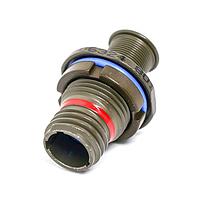
Standard Circular Connector
Reliable interconnection is a basic requirement in industrial equipment, mobile systems, power distribution, and harsh-environment electronics. When the application does not call for a specialized interface such as DIN, metric sensor connectors, or push-pull coupling, many engineers turn to Standard Circular Connector solutions for a practical balance of mechanical protection, contact density, and installation flexibility.
This category brings together circular connector options used for cable-to-cable, cable-to-panel, and equipment interface tasks across a wide range of assemblies. It is especially relevant for buyers comparing shell sizes, contact layouts, plug and receptacle formats, and contact accessories within a familiar circular form factor.
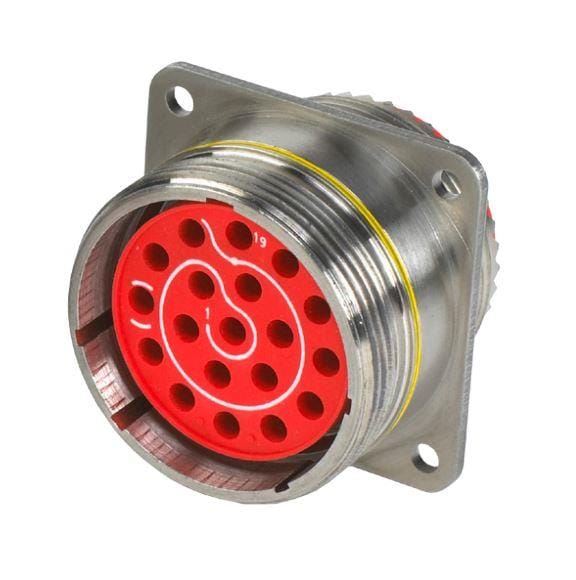
Where standard circular connectors fit in the connector landscape
Standard circular connectors are widely used where designers need a secure mating interface, straightforward routing, and dependable signal or power transfer in a compact round housing. They are commonly selected for industrial machinery, transportation equipment, control panels, off-road systems, and field wiring where durability matters but the application may not require a highly specialized connector family.
Within broader circular interconnect systems, this category often overlaps with rugged thermoplastic and metal-shell designs, crimp contacts, and sealed cable-mount or panel-mount configurations. If your project requires a more application-specific interface, you may also want to compare options such as circular metric connectors for sensor and automation wiring or MIL spec circular connectors for defense and aerospace-oriented requirements.
Typical product structures in this category
A standard circular connector system is usually built from several matching elements rather than a single part. Depending on the application, the assembly may include a plug, a receptacle or panel-mount housing, and individual contacts selected by gender, size, wire range, and termination style. This is important for procurement teams because the mating interface and the contact system often need to be specified separately.
Examples from this category show that product selection may involve complete connector bodies such as the Amphenol RTS6BS12N8SHEC03 plug, housing-only parts like the Amphenol AHDP06-18-14SR-WTA, or contact components such as the Amphenol AT60-16-0644 and Amphenol M39029 series contacts. In other words, the correct solution is often an interconnect system made up of compatible housings and terminals rather than one standalone item.
Key selection factors before ordering
The first step is to define the interface role: plug or receptacle, cable mount or panel mount, and pin or socket arrangement. From there, buyers typically narrow the choice by number of positions, shell size, and whether the connector will carry signal, power, or mixed circuits. These basic parameters strongly affect mating compatibility and assembly planning.
Environmental exposure is another major factor. Many standard circular connectors are chosen because they support sealing features, broad operating temperature capability, and robust cable termination methods such as crimping. For example, products in this category include variants with silicone sealing, reduced-seal arrangements, and operating ranges extending into demanding temperature conditions, which can be useful in outdoor equipment, engine compartments, and industrial enclosures.
It is also worth checking whether you need just the housing, just the contact, or a complete connector. This avoids a common sourcing issue where a plug body is ordered without the matching crimp contacts, or where a panel receptacle is selected without confirming the intended cable-side mate.
Examples of standard circular connector options
Several representative products in this category illustrate the range of available configurations. The Amphenol AHDP04-24-47PR-WTA is a panel-mount receptacle format designed around a high contact count, while the Amphenol AHDP06-18-20SR-WTA and AHDP06-18-14SR-WTA show how cable-side plug housings can vary by position count and arrangement within related families.
For applications requiring separate contact selection, items such as the Amphenol AT60-16-0644, Amphenol M39029/58-362, Amphenol M39029/31-229, and Amphenol M39029/12-149 highlight the importance of choosing the correct contact type, plating, and wire accommodation. On the more rugged end, products like Amphenol D38999/26MJ8PB-LC, D38999/26ME6SNLC, and MS27484T10B35PALC reflect circular connector formats used where high reliability and mechanical robustness are priorities.
Manufacturer context and sourcing considerations
This category includes products associated with established connector suppliers, with Amphenol being especially visible in the current range. That matters for engineers and purchasing teams because established manufacturers typically provide broader ecosystems of mating parts, accessories, and long-term platform continuity across industrial and transport applications.
Depending on the design brief, buyers may also compare offerings from connector-focused brands such as AMP Connectors - TE Connectivity when evaluating alternative circular interconnect platforms. In practice, the best sourcing decision is usually based on mating compatibility, assembly method, environmental fit, and supply continuity rather than brand name alone.
When to compare this category with other circular connector types
Not every round connector belongs in the same shortlist. If your application depends on compact machine wiring, keyed sensor interfaces, or established automation standards, it may be more efficient to review Circular DIN Connectors or metric connector families instead of a general-purpose standard circular format.
Likewise, if quick connect and disconnect performance is more important than threaded or conventional coupling styles, a push-pull interface may be a better fit. The value of this category is that it covers a broad middle ground: versatile circular connector solutions that support many industrial and equipment-level use cases without being limited to one niche format.
Practical buying tips for B2B projects
For new designs, start with the mating architecture and assembly workflow. Confirm whether your build process uses crimp contacts, whether contacts are included or ordered separately, and whether the enclosure requires a panel receptacle or a cable-side plug. These details can affect both installation time and maintenance planning.
For replacement and MRO purchasing, verify shell size, contact count, contact gender, and mounting style before selecting a part number. It is also helpful to check whether the requirement is for a sealed housing, a specific temperature range, or a particular series compatibility. Taking a few minutes to validate these items can prevent mismatched connector sets and unnecessary downtime.
Choosing the right standard circular connector
A good circular interconnect choice supports the electrical requirement, survives the installation environment, and fits the maintenance model of the equipment over time. In this category, that may mean selecting a simple plug-and-receptacle set for general industrial wiring, or combining housings and contacts into a more tailored circular connector assembly for rugged applications.
By comparing format, contact system, sealing approach, and mounting style, buyers can narrow the range to parts that make sense both technically and commercially. If you are reviewing options for new equipment or replacement stock, this category provides a solid starting point for standard circular connector selection across industrial and equipment-oriented projects.
Get exclusive volume discounts, bulk pricing updates, and new product alerts delivered directly to your inbox.
By subscribing, you agree to our Terms of Service and Privacy Policy.
Direct access to our certified experts