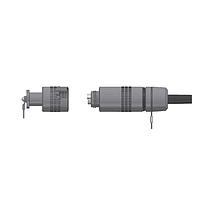
Fiber Optic Connectors
High-speed data links, low signal loss, and immunity to electromagnetic interference are key reasons engineers continue to specify optical interconnects in demanding systems. In industrial networks, aerospace platforms, telecom equipment, and data-intensive electronics, choosing the right Fiber Optic Connectors helps maintain stable transmission while supporting installation, maintenance, and long-term reliability.
This category brings together connector options used to terminate, mate, and organize fiber links in applications where copper-based solutions may not be ideal. Whether the priority is compact integration, rugged panel mounting, or cable-to-equipment transitions, the selection process typically depends on mechanical format, fiber interface type, environmental conditions, and the broader connector ecosystem around the assembly.
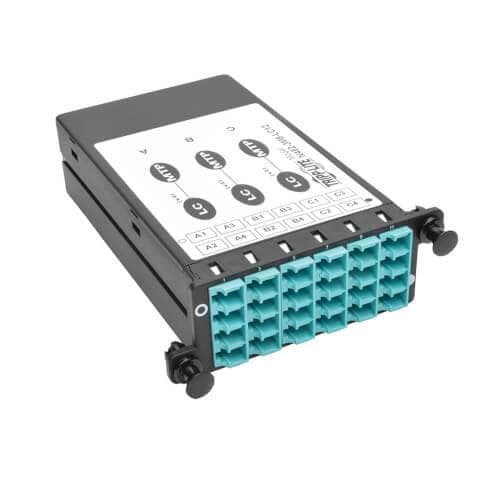
Where fiber optic connectors fit in modern interconnect systems
Optical connectivity plays an important role wherever signal integrity and bandwidth matter more than simple electrical continuity. Unlike conventional electrical connectors, fiber interfaces are designed to align optical fibers precisely so light can pass through the connection with minimal insertion loss and reflection. That makes them relevant in communication hardware, control infrastructure, test setups, and harsh-environment platforms.
Fiber connectors are rarely selected in isolation. In many projects, they are part of a larger interconnect chain that may also include cable assemblies, adapter hardware, contacts, and enclosure interfaces. Looking at the full signal path early can help avoid mating issues, unnecessary conversion points, or service complications later in the design cycle.
Key selection factors for fiber optic connectors
The first consideration is usually the mechanical interface: plug or receptacle, cable-side or panel-side, and how the connector will be mounted in the final system. In compact equipment, packaging density may drive the decision, while in field or defense-oriented applications, durability and secure mating are often more important than size alone.
Engineers should also review how the connector will be used over time. Installation frequency, exposure to vibration, expected maintenance intervals, and cable routing constraints all affect connector choice. If the project includes replaceable terminations or modular interconnect sections, related components such as contacts and mating accessories may influence the final configuration.
Representative products in this category
This category includes a range of examples from Amphenol Aerospace and Amphenol Commercial Products, illustrating how fiber connectivity spans both ruggedized and general interconnect use cases. Models such as the Amphenol Aerospace 9441F16-11B, 9440W32-20P, and 9446W22-32B show the variety of receptacle and plug formats available for optical interconnection in more demanding environments.
For broader equipment integration, parts such as Amphenol Commercial Products CAAN00010010002 and CAAN01111221320 represent another side of the category, where connector selection may focus on system layout, cable interface compatibility, and assembly requirements. These examples are useful reference points when comparing form factor, connection style, and intended mounting approach rather than as one-size-fits-all choices.
Application contexts engineers commonly evaluate
In industrial and technical B2B environments, fiber optic connectors are often chosen for systems that need dependable communication over distance or in electrically noisy surroundings. Typical evaluation scenarios include machine-level communications, network backbone links inside facilities, instrumentation racks, aerospace electronics, and control systems where electrical isolation can be beneficial.
They can also be relevant when system designers want to separate sensitive signal transmission from power wiring or reduce susceptibility to EMI. In mixed interconnect environments, fiber may coexist with other specialized connector families, including solutions for measurement or service access such as banana and tip connectors, depending on the function of each connection point.
Manufacturer landscape and category scope
Several established connector manufacturers are associated with this category, including Amphenol, Amphenol Aerospace, Amphenol Commercial Products, AMP Connectors - TE Connectivity, Belden, Broadcom, and 3M Electronic Specialty. Each name adds useful context for buyers comparing sourcing options, design conventions, and connector ecosystems, even when the exact preferred series depends on the application.
Within the currently highlighted products, Amphenol Aerospace appears prominently with multiple plug and receptacle configurations, including 9441W12-5P, 9444W14S-5A, 9440F36-10P, 9446W16-12S, 9446F36-18B, and 9446W18-28P. This concentration is helpful for engineers looking at rugged optical interfaces, while Amphenol Commercial Products provides examples that support more general equipment-level integration.
How to narrow down the right connector for a project
A practical selection process starts with the physical architecture of the system: where the fiber enters the enclosure, what type of mating cycle is expected, and whether the connection needs to be field-serviceable. From there, teams usually compare panel space, cable management needs, and the surrounding components that make up the complete channel.
It is also useful to think beyond the connector body itself. Installation tools, cleaning practices, mating protection, and the availability of compatible assemblies can affect deployment time and lifecycle cost. If the design spans both optical and structured cabling interfaces, adjacent categories such as keystone connectors may also be relevant in building out a complete connectivity solution.
Supporting better procurement and integration decisions
For OEMs, integrators, and maintenance teams, a well-organized fiber connector category should make it easier to compare connector styles without reducing the decision to part numbers alone. The most effective approach is to align the connector choice with transmission needs, environmental demands, service strategy, and the mechanical realities of the host equipment.
When reviewing available options, it helps to use representative models and manufacturer families as a starting point, then confirm fit with the specific application. That approach leads to a more reliable shortlist and supports smoother integration across the wider connector platform.
Choosing the right fiber optic connector is ultimately about balancing optical performance, mechanical compatibility, and long-term maintainability. By reviewing connector format, intended environment, and related interconnect requirements together, buyers can identify solutions that fit both current build needs and future system expansion.
Get exclusive volume discounts, bulk pricing updates, and new product alerts delivered directly to your inbox.
By subscribing, you agree to our Terms of Service and Privacy Policy.
Direct access to our certified experts