Development Boards & Kits
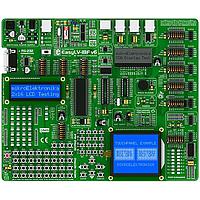
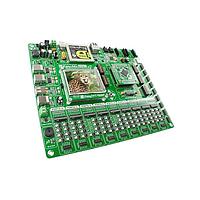
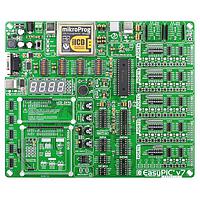
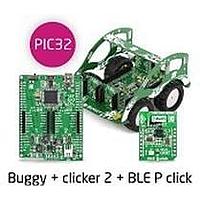
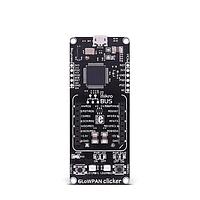
When you need to validate code, test peripheral interfaces, or shorten the path from concept to prototype, the right hardware platform makes a measurable difference. Development Boards & Kits give engineers, embedded developers, and technical buyers a practical way to evaluate processors, microcontrollers, DSP platforms, and computing modules before moving into full product design.
Within this category, you will find a broad mix of evaluation platforms suited to embedded control, signal processing, and system bring-up. Some options are designed for quick MCU experiments, while others support more advanced work around DSP, MPU, or module-based embedded computing.
Where development boards and kits fit in an engineering workflow
In many projects, a board kit is the fastest way to move from datasheet review to hands-on validation. Teams use these platforms to check processor behavior, verify power and interface assumptions, test firmware, and understand how a device performs under realistic conditions before committing to a custom PCB.
This is especially useful in B2B environments where development cycles involve multiple stakeholders, including design engineers, firmware teams, testing groups, and procurement. A suitable evaluation platform can reduce early-stage risk, improve component selection, and make technical decisions more evidence-based.
Typical platforms available in this category
The range in this category spans several embedded hardware types. You may encounter MCU evaluation boards for control-oriented designs, DSP-focused kits for signal-intensive applications, and MPU or module carrier solutions for more complex computing tasks.
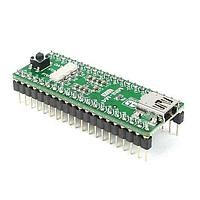
For example, the Arduino ARDUINO NANO EVERY board is a compact option often used for rapid embedded prototyping and proof-of-concept work. On the more application-specific side, platforms such as the Analog Devices ADZS-BF526-EZLITE, ADZS-BF549-EZLITE, and ADZS-BF527-MPSKIT illustrate how DSP evaluation hardware can support architecture exploration, software bring-up, and interface testing around Blackfin-based designs.
For embedded computing workflows built around modules, the Advantech SOM-DB5700G-U0A2E shows the role of a board as a hardware base for evaluating an MPU or COM-Express implementation. This kind of setup is relevant when a project requires scalability beyond entry-level microcontroller development.
How to choose the right board for your project
The first selection step is to match the board type to your development goal. If the priority is learning a device family, building a proof of concept, or validating low-to-mid complexity embedded logic, an MCU-oriented platform is often sufficient. If the task involves intensive digital signal handling, media-related processing, or algorithm evaluation, a DSP platform is usually the better fit.
A second consideration is the development ecosystem around the board. This includes available debug support, board accessories, power and cable inclusion, and the ease of moving from evaluation hardware to a design-ready architecture. Products such as the Analog Devices EVAL-ADUC842QS, EVAL-ADUC847QSZ, and EVAL-ADUC7020QSPZ are useful examples of MCU evaluation platforms intended to simplify early testing around a specific controller family.
It is also worth checking whether your project needs expansion, display, communication, or memory-related validation. In those cases, related tool groups such as communication development tools or memory IC development tools can complement the main board selection.
Examples from leading manufacturers
This category includes platforms associated with widely used embedded suppliers. Analog Devices is strongly represented through evaluation kits for MCU and DSP development, including the EVAL-ADUCM430ARDZ and several ADSP Blackfin-oriented boards. These products are typically relevant when teams need to evaluate processor behavior, software integration, and peripheral connectivity in a controlled environment.
Arduino also remains a common choice where development speed, accessibility, and compact form factor are priorities. For buyers comparing platforms, manufacturer ecosystem matters because toolchain familiarity, community resources, and accessory availability can influence both project speed and long-term maintainability.
Advantech is another useful reference point in this category, particularly for applications closer to embedded computing modules and system integration. The overall mix of vendors helps support both entry-level prototyping and more specialized evaluation requirements.
Related tools and ecosystem considerations
A board on its own is only part of the development process. Engineers often need supporting items such as programming interfaces, expansion boards, accessories, and application-specific modules to complete realistic testing. Some kits include cables, power elements, or debug hardware, while others are more focused on the evaluation board itself.
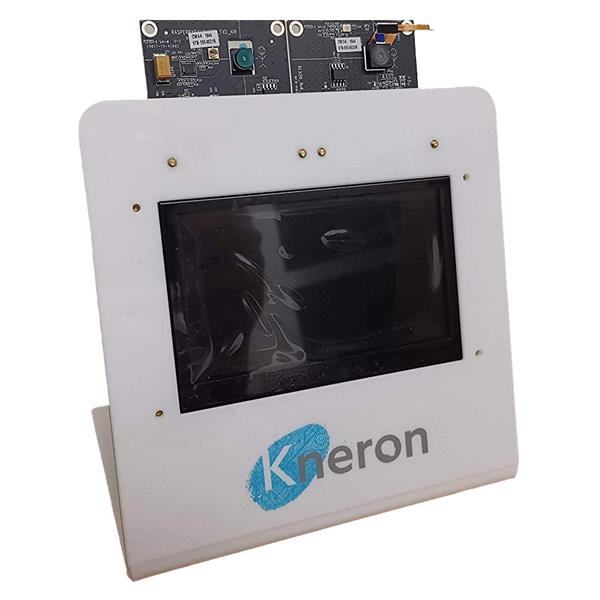
If your application involves visual sensing or imaging, it can be practical to review related categories such as cameras and camera modules. This is particularly relevant for embedded designs where processing hardware must be validated together with image capture components rather than in isolation.
Common use cases for development kits
Development hardware is used across a wide range of technical workflows. Typical examples include firmware bring-up, peripheral validation, algorithm testing, educational prototyping, industrial controller evaluation, and embedded software demonstration before hardware customization.
In a commercial setting, these boards are also useful for internal feasibility studies and customer-specific proof-of-concept work. A team might start with a compact board for initial logic validation, then move to a more specialized DSP or MPU platform as performance, interface count, or application complexity increases.
That progression is one reason this category remains important in the broader engineering toolchain. It supports experimentation at an early stage while also helping bridge the gap between concept and implementation.
What to review before placing an order
Before selecting a board, confirm the processor class, supported platform, and intended evaluation purpose. It is also sensible to review whether the kit includes only the board or additional items such as power, cables, programmers, or accessory modules, since this affects how quickly your team can begin testing.
For technical purchasing teams, compatibility with the intended software environment and long-term component strategy should also be considered. A board may be suitable for learning or evaluation, but the real value comes from how effectively it supports your next development step, whether that is firmware validation, interface testing, or transition toward a custom embedded design.
Find the right platform for faster validation
Choosing among development platforms is less about buying generic hardware and more about selecting the right evaluation path for your processor, application, and engineering workflow. From compact MCU prototyping boards to DSP and MPU evaluation kits, this category helps technical teams compare practical options for embedded development and early-stage testing.
If you are narrowing down candidates, focus on the core device family, included development resources, and how closely the board matches your intended use case. A well-chosen kit can make prototyping more efficient, reduce uncertainty during design decisions, and support a smoother move toward production-ready hardware.
Get exclusive volume discounts, bulk pricing updates, and new product alerts delivered directly to your inbox.
By subscribing, you agree to our Terms of Service and Privacy Policy.
Direct access to our certified experts