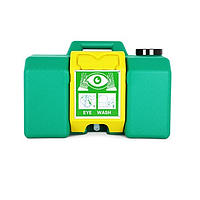
Emergency eyewash device
Fast access to clean flushing water can make a critical difference after accidental contact with chemicals, dust, metal particles, or other hazardous contaminants. In industrial plants, laboratories, workshops, and construction environments, a properly selected emergency eyewash device helps support immediate first response and improves overall workplace safety planning.
This category covers multiple eyewash formats for different installation conditions, from compact countertop units to wall-mounted stations, combination shower-and-eyewash systems, and portable solutions for areas without a fixed water supply. The goal is not simply to add a safety fixture, but to choose equipment that matches the hazard level, site layout, and maintenance capability of the facility.

Where emergency eyewash equipment is typically used
Eyewash devices are commonly installed anywhere workers may be exposed to splashes, airborne particles, or irritating substances. Typical environments include chemical handling areas, laboratories, manufacturing lines, maintenance zones, utilities, and field locations where corrosive or dusty processes are present.
Selection usually depends on the type of risk and how quickly a worker can reach the unit. A small bench or sink area may be better served by a deck-mounted station, while open process zones often require a wall-mounted or freestanding solution. In higher-risk applications involving both eye and body exposure, combination units with shower capability are often more appropriate.
Main types available in this category
This range includes several practical configurations. Wall-mounted eyewash stations are suitable when a dedicated location is available near the hazard. Models such as the Labnori SS3002 and Labnori SS3002Y provide a fixed installation format designed for reliable access and wide eye/face rinsing coverage.
Deck-mounted eyewash units are often chosen for lab benches, counters, and workstations. Products like the Labnori SS3004 and Labnori SS3004Y fit applications where the operator works close to a sink or countertop and needs compact emergency access without a large floor-standing assembly.
For broader protection, combination stations integrate both a shower and an eyewash in one safety point. Examples include the Labnori SS3001Y and the Guardian G1902 safety station, which are useful in process areas where exposure may affect the face, eyes, and body at the same time.
Portable units for locations without fixed plumbing
Not every job site has a permanent water connection close to the hazard. In temporary work zones, remote areas, construction sites, or mobile operations, portable eyewash units offer an alternative that can be deployed where needed. These products are also relevant when a facility needs supplementary emergency washing capability beyond fixed stations.
Examples in this category include the VIỆT NAM UK0782B Portable Eyewash (5L), OEM 7502 Portable Eyewash, and Haws 7501 Portable Gravity Fed Eyewash. The capacity, portability, and refill method can influence suitability, especially when planning for routine inspection and water replacement. If you need to explore brand-specific portable safety wash options, the Haws range is a useful reference point.
What to consider when choosing an eyewash station
A good starting point is the nature of the hazard. Fine dust and light particulate risks may call for accessible eye/face wash coverage near the workstation, while corrosive liquid splash hazards may justify a combination shower and eyewash station. Facilities should also consider whether users may need hands-free operation, visible signage, and clear access paths in an emergency.
Material selection matters as well. Stainless steel bowls, valves, and pipework can be relevant for demanding industrial environments, while high-visibility coatings may help identify the unit quickly. Some listed products also indicate alignment with ANSI-related requirements, which can be important for sites building around recognized emergency equipment practices.
Installation conditions are equally important. Countertop space, wall availability, drainage, water supply connection, and expected maintenance routines all affect the best fit. For example, a compact mount eyewash such as the PROGUARD PG 10022AB may suit a different use case than a full drench shower assembly or enclosed eyewash/shower cabin.
Representative brands and product options
This category brings together products from established safety equipment suppliers including Guardian, Labnori, Haws, OEM, PROGUARD, and VIỆT NAM. Each brand appears in different product formats, helping buyers compare based on installation style, material preference, capacity, and application context rather than brand name alone.
Labnori is strongly represented across wall-mounted, deck-mounted, drench shower, and combination configurations, making it relevant for projects that need consistency across multiple emergency wash points. Haws and OEM are especially visible in portable gravity-fed and self-contained options, while Guardian and PROGUARD provide additional choices for fixed-position safety stations and mounted eyewash applications.
Related safety equipment in the same working environment
Emergency rinsing equipment works best as part of a broader site safety plan. In many facilities, eyewash stations are positioned alongside first-response medical supplies, hazard signage, and electrical or task-specific protective equipment. For a more complete safety setup, you may also want to review first aid products for immediate response readiness.
In electrically exposed work areas, it may also be relevant to coordinate eyewash placement with insulated personal protective equipment and access controls. Related categories such as insulating gloves and insulating boots can support a more complete protection strategy depending on the work environment.
Maintenance and readiness matter as much as selection
An eyewash device only helps if it is ready when needed. Facilities should plan for regular inspection, flushing, cleaning, and verification of access. Portable units also require attention to refill intervals and water condition, while fixed stations need routine checks for valve function, spray performance, and unobstructed operation.
It is also good practice to place units where workers can identify and reach them quickly under stress. Clear signage, visible equipment color, and compatibility with the surrounding workflow all improve practical usability. Products in this category include designs intended to support easy identification and dependable activation in real working conditions.
Choosing the right fit for your site
The right solution depends on whether you need a compact bench-mounted unit, a wall installation near a work cell, a full emergency shower and eyewash combination, or a portable station for remote operations. Looking at the hazard profile, available utilities, and expected user response time will usually narrow the options effectively.
By comparing installation style, material construction, portability, and application scope, buyers can build a more practical safety setup for laboratories, factories, maintenance areas, and field jobs. This category is designed to help you evaluate emergency eyewash device options with a clearer view of how each type fits into real industrial safety requirements.
Get exclusive volume discounts, bulk pricing updates, and new product alerts delivered directly to your inbox.
By subscribing, you agree to our Terms of Service and Privacy Policy.
Direct access to our certified experts