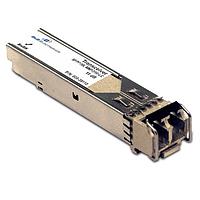
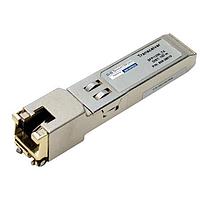
Fiber Optic Transmitters, Receivers, Transceivers
Reliable optical links are often chosen when industrial and embedded systems need better noise immunity, electrical isolation, or stable data transmission over distance. In these environments, selecting the right optical interface is not only about fitting a component onto a PCB, but also about matching signal type, speed, connector style, and installation constraints across the full communication path.
Fiber Optic Transmitters, Receivers, Transceivers in this category support that link layer inside a wide range of equipment, from control electronics and communication modules to embedded subsystems that benefit from compact, board-level optical connectivity. The range is especially relevant for designers comparing standalone receivers with transmitter/receiver pairs and integrated transceiver-style solutions for short- to medium-distance optical communication.
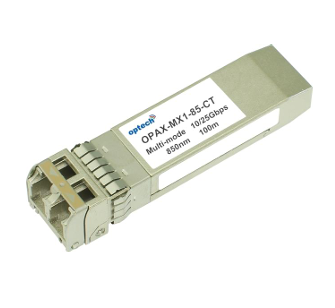
Where these fiber optic components fit in a system
In practical terms, these devices convert electrical signals into optical signals and back again. A transmitter emits light according to the input signal, a receiver detects incoming light and restores the electrical output, and a transceiver combines both functions to support bidirectional communication depending on system architecture.
This makes them useful in applications where copper-based links may be affected by electromagnetic interference, grounding issues, or distance limitations. In many designs, the optical device is only one part of a broader interconnect chain that also includes fiber optic cables, connectors, and supporting mechanical interfaces.
Transmitters, receivers, and transceivers: how to choose the right format
A good starting point is to identify the function required in the link. If the design only needs to detect an incoming optical signal, a dedicated optical receiver may be the right fit. If the device must send data outward, a transmitter is required. When space, integration, or architecture calls for both directions in one optical path, transceiver-oriented solutions may be more appropriate.
Selection should also account for whether the system is point-to-point, half-duplex, or part of a more complex communication node. Some projects prioritize a simple and robust optical channel for industrial signaling, while others need higher-speed data exchange, tighter timing behavior, or compatibility with an existing optical ecosystem already defined by the equipment platform.
Important parameters to review before ordering
For engineering teams, the most important comparison points usually include data rate, wavelength, operating voltage, mounting style, temperature range, and transmission distance. These factors influence electrical compatibility, optical budget, PCB layout strategy, and long-term stability in real operating conditions.
Mechanical details matter as well. Through-hole and snap-in formats may be preferred in different assembly flows, especially when serviceability, panel integration, or vibration resistance must be considered. If the design also depends on specific mating interfaces, it is worth checking compatibility with suitable fiber optic connectors and cable terminations early in the selection process.
Environmental conditions should not be overlooked. Industrial and embedded systems may require operation across extended temperature ranges, while some designs place more emphasis on assembly processing limits or packaging constraints. Reviewing these basics upfront helps reduce redesign risk later in prototyping or deployment.
Representative products in this category
This category includes several well-known optical interface components from Broadcom, covering different link formats and performance ranges. Examples include the Broadcom QFBR-TR05Z and Broadcom QFBR-R463CZ optical receivers, which are relevant when the design focus is on reliable receive-side signal detection in optical communication paths.
For engineers working with established board-level optical links, products such as the Broadcom HFBR-2521ETZ, Broadcom HFBR-2531ETZ, and Broadcom HFBR-2532Z illustrate how receiver families can address different baud rates, wavelengths, and packaging approaches. Other listed parts, including Broadcom AFBR-2644Z and Broadcom AFBR-S10RX031Z, show that the category also spans solutions intended for faster communication or different optical interface requirements.
These examples are best viewed as reference points for comparing package style, link distance expectations, and interface direction rather than as interchangeable parts. Final suitability always depends on the complete optical channel and the electrical design around it.
System-level compatibility matters as much as the component itself
Even when the transmitter or receiver appears electrically suitable, system performance depends on the complete optical path. Fiber type, termination quality, alignment, connector condition, and insertion loss all affect signal integrity. That is why component selection should be coordinated with the passive infrastructure, not treated as an isolated purchasing decision.
In projects that need pre-terminated interconnects or faster installation, fiber optic cable assemblies can simplify deployment and reduce field variability. For development or evaluation work, test fixtures and fiber optic development tools may also help verify link behavior before full production release.
Typical use cases in industrial and embedded design
Board-level optical communication components are often considered in factory automation, instrumentation, communication interfaces, and embedded control systems where electrical isolation and resistance to EMI are important. They can also be useful when designers need a compact way to implement short-reach optical links between modules or subsystems.
Another common scenario is upgrading a legacy or application-specific optical link without changing the broader system architecture. In such cases, engineers often look for a compatible receiver or transmitter family that aligns with existing wavelength, packaging, and mechanical expectations while supporting the required operating environment.
What to look for when comparing options on this page
When browsing this category, it helps to filter parts by function first: receiver, transmitter, or integrated optical interface. From there, narrow the shortlist by installation style, electrical supply requirements, and target communication performance. This approach is usually faster and more reliable than comparing part numbers alone.
If multiple devices appear similar, review whether the application prioritizes distance, speed, rugged operating range, or ease of integration into the existing enclosure or PCB layout. For B2B buyers and engineering teams, the right choice is usually the one that fits the total system requirement with the least compromise, not simply the nearest visual match.
Final considerations
Choosing the right optical interface component is ultimately a system decision that combines signal requirements, mechanics, environment, and passive interconnect compatibility. This category brings together fiber optic transmitters, receivers, and related solutions that support those needs across industrial, embedded, and electronic design workflows.
If you are comparing options for a new build or a replacement part, focus on function, link conditions, and integration details first. That will make it easier to identify a component that fits the real application and works reliably with the rest of the optical communication chain.
Get exclusive volume discounts, bulk pricing updates, and new product alerts delivered directly to your inbox.
By subscribing, you agree to our Terms of Service and Privacy Policy.
Direct access to our certified experts