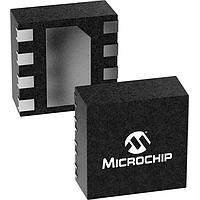
Linear Voltage Regulators
Stable rails are still essential in many power architectures, especially where low noise, straightforward implementation, and predictable behavior matter more than peak conversion efficiency. In control boards, instrumentation, industrial electronics, aerospace assemblies, and support power stages, Linear Voltage Regulators remain a practical choice for creating clean, fixed, or adjustable output voltages from a higher input supply.
This category brings together devices used to regulate voltage for analog circuits, logic sections, interface electronics, and other loads that benefit from simple power conditioning. Whether the design requires a classic positive regulator, a negative rail, or an adjustable solution, these components fit naturally into a broad range of power monitoring and regulation designs.
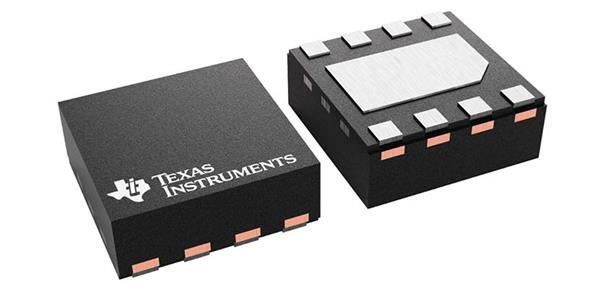
Where linear regulators fit in a power design
A linear regulator is commonly selected when designers need a clean output with relatively low ripple and a compact support circuit. Compared with more complex switching topologies, a linear solution can simplify layout and reduce electrical noise in sensitive subsystems such as signal conditioning, data acquisition, reference circuits, or communication interfaces.
They are also widely used as post-regulation stages after upstream conversion. For example, a system may first derive a bulk rail through an AC/DC converter or another power stage, then use a linear regulator to produce a stable local voltage for downstream electronics.
Common regulator types in this category
This category includes both fixed-output regulators and adjustable regulators, as well as positive and negative polarity devices. Fixed-output parts are often preferred when the target voltage is known in advance and repeatability is important, while adjustable versions offer more flexibility in multi-platform designs or engineering builds.
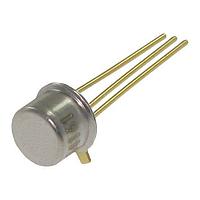
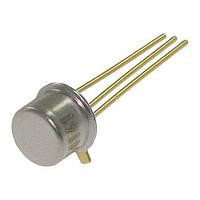
Several products in this range illustrate that breadth. Microchip SG7805AIG and Microchip SG7805AK represent fixed positive 5 V regulation, while Microchip SG7915AIG-DESC is an example of a negative output device intended for applications that require a negative rail. For designs that need a programmable output range, Microchip SG117AHVT-DESC provides an adjustable linear regulation approach rather than a single preset voltage.
Selection factors that matter in real applications
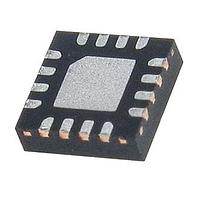
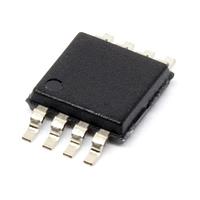
Choosing the right regulator usually starts with the required output voltage and load current, but that is only part of the decision. Engineers also need to consider input voltage range, polarity, package style, mounting method, thermal path, operating temperature, and whether the application calls for fixed or adjustable regulation.
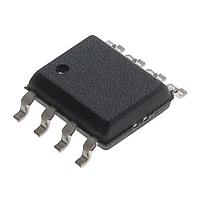
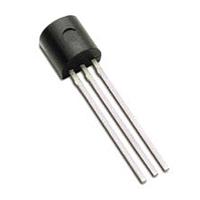
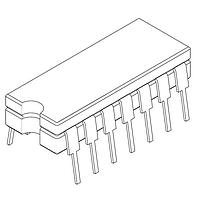
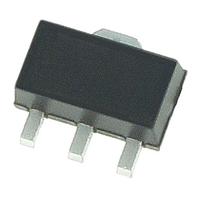
Thermal performance is especially important because a linear regulator dissipates the voltage difference between input and output as heat. In industrial and embedded systems, this makes package choice and ambient conditions just as relevant as electrical ratings. Through-hole options such as TO-257, TO-3, or TO-39 packages may suit legacy equipment, harsh-environment assemblies, or designs where mechanical robustness and heat handling are priorities.
Examples from the available product range
The listed Microchip portfolio shows how linear regulators can cover very different requirements. Microchip SG7905AL-883B is a negative fixed-output device suited to applications that need a regulated negative rail, while Microchip 5962-8855301TA is a fixed positive 15 V regulator for systems that require a higher regulated output. Products such as Microchip MAQ5283YME-VAO and Microchip SG137T-883B further reflect how this category can support specialized design needs within broader power-management architectures.
Some parts in the category also indicate extended temperature capability and military screening levels, which can be relevant when the application environment is more demanding than standard commercial electronics. That does not mean every design needs a high-reliability device, but it highlights the importance of matching the regulator grade to the application’s environmental and qualification requirements.
When a linear regulator is the better choice
Low-noise power regulation is one of the main reasons to choose a linear device. In analog front ends, sensor interfaces, precision references, and mixed-signal sections, the simplicity of a linear regulator can help reduce unwanted switching artifacts that might otherwise affect measurement quality or signal integrity.
Linear regulators are also useful when the input-to-output voltage difference is moderate and the current demand is manageable. In those conditions, they can offer a very practical balance between implementation effort and electrical performance. In more complex systems, they are often used alongside devices from categories such as feedback loop power controllers or battery management, depending on the overall architecture.
Manufacturer options and sourcing context
This category is supported by recognized semiconductor brands used across industrial, embedded, and OEM supply chains. Depending on the project, buyers may compare offerings from suppliers such as Microchip, Analog Devices, Infineon, Intersil, Maxim Integrated, and Diodes Incorporated, with each brand fitting different design histories, qualification needs, and product preferences.
For many teams, brand selection is not only about electrical performance. Lifecycle continuity, preferred package families, qualification standards, and compatibility with existing BOMs can all affect the final choice. That is why a category page like this is useful not just for part lookup, but also for narrowing down options based on the broader design context.
How to narrow down the right part
When filtering products, start with the essentials: output voltage, polarity, output current, and input voltage range. Next, review package and mounting style, then confirm environmental limits such as operating temperature. If the application includes sensitive analog circuitry or strict power-rail tolerances, line and load regulation behavior may also deserve closer attention.
It is also worth checking whether the regulator is intended as a general-purpose device or for more specialized environments. A standard board-level design may only require a straightforward fixed regulator, while defense, aerospace, or high-reliability industrial systems may call for screened or extended-temperature variants. Taking that structured approach helps avoid over-specifying or under-specifying the power stage.
Final considerations
Linear voltage regulators continue to play an important role in modern electronics because they solve a specific set of power problems very well: creating clean, stable rails with minimal circuit complexity. From fixed positive outputs to negative and adjustable solutions, this category supports a wide range of design needs across industrial, embedded, and high-reliability applications.
If you are comparing parts for a new design or replacing an existing regulator in a legacy system, focus on the real operating conditions first: voltage headroom, current demand, thermal limits, package constraints, and application sensitivity to noise. That approach will make it much easier to identify the most suitable device from the available range.
Get exclusive volume discounts, bulk pricing updates, and new product alerts delivered directly to your inbox.
By subscribing, you agree to our Terms of Service and Privacy Policy.
Direct access to our certified experts