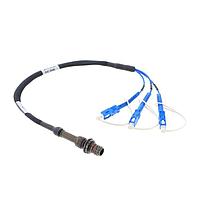
Fiber Optic Cable Assemblies
Reliable signal transmission becomes more critical as industrial networks, control systems, and data-intensive equipment move toward higher speed and greater noise immunity. In these environments, Fiber Optic Cable Assemblies are often selected where electrical interference, long transmission distance, or signal integrity can limit the performance of conventional copper cabling.
This category is intended for buyers, engineers, and integrators who need pre-terminated optical connections for equipment interconnects, communication links, and structured system builds. Compared with field-terminated solutions, cable assemblies can help simplify installation, improve consistency, and reduce time spent on connector preparation in production, automation, and networking projects.
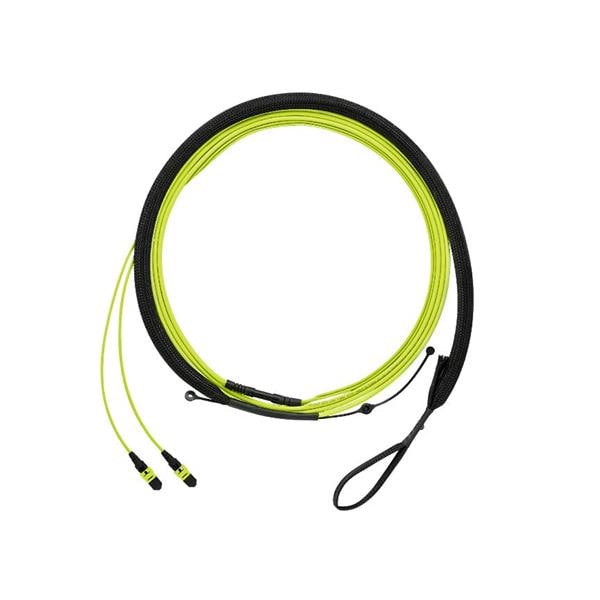
Where fiber optic cable assemblies fit in modern systems
Optical cabling is widely used when a system requires high-bandwidth communication, low susceptibility to electromagnetic interference, or dependable links across longer distances. That makes this category relevant in industrial communication cabinets, machine-to-machine links, data infrastructure, test environments, and other applications where stable signal transfer matters.
Because these are cable assemblies rather than raw cable, they are typically chosen to streamline integration. A pre-assembled optical cable can help reduce handling errors, support cleaner routing, and make replacement easier during maintenance. In mixed installations, buyers may also compare fiber with Ethernet and networking cable options depending on bandwidth, noise environment, and interface requirements.
Why pre-terminated assemblies are often preferred
In many B2B projects, the main advantage of fiber assemblies is not only transmission performance but also deployment efficiency. Factory-terminated ends can support more predictable installation quality than on-site connector work, especially when timelines are tight or the installation team is managing multiple panel, controller, or enclosure connections at once.
Prebuilt assemblies are also useful when standardization is important across multiple machines or system cabinets. Using defined cable lengths and known connector formats can simplify spare-part planning and support repeatable builds for OEM production, retrofit work, and infrastructure expansion.
Representative products in this category
This category includes examples from established suppliers such as Commscope and Broadcom, covering a range of fiber optic cable assembly needs. Representative products include the Commscope 5504969-3 Fiber Optic Cable Assembly, Commscope 5504958-4 Fiber Optic Cable Assembly, and Commscope 3-5504958-0 Fiber Optic Cable Assembly, alongside Broadcom models such as QFBRTR04Z, QFBRT081Z, QFBR5975TZ, and QFBR2430Z.
These examples illustrate the breadth of the category rather than a single application type. Some assemblies may be selected for equipment-level optical links, while others may fit broader communications or integration tasks. The right choice depends on connector compatibility, routing constraints, installation environment, and the communication architecture of the overall system.
Key selection factors for procurement and design teams
When comparing fiber optic assemblies, it helps to start with the practical needs of the installation rather than the part number alone. Buyers typically review connector format, cable length, bend and routing requirements, and whether the assembly is intended for cabinet-level use, equipment interconnect, or general network infrastructure.
A second important factor is system compatibility. The selected assembly should match the optical interface of the connected devices and align with the mechanical and maintenance requirements of the project. For example, a compact machine installation may prioritize routing flexibility, while a facility network link may place greater emphasis on run length, pathway organization, and service accessibility.
It is also useful to consider the broader cabling environment. In projects that combine optical links with device I/O or controller communications, teams may evaluate other assembly types such as computer cables or interface-specific cable families to complete the full connection architecture.
Typical application contexts
Fiber optic cable assemblies are commonly used where electrical noise can affect communication quality. This can include industrial automation cells, control rooms, communication racks, inspection systems, and equipment areas with dense power electronics. Optical media helps separate the communication path from many interference sources that can be present in heavy-duty operating environments.
They are also relevant in systems where signal stability and structured cable management are important over time. For OEMs and panel builders, pre-terminated optical assemblies can support cleaner documentation, more repeatable installation practices, and simpler service workflows when assemblies need to be replaced or extended during the equipment lifecycle.
Manufacturers and ecosystem considerations
Within this category, buyers may encounter products associated with suppliers active in connectivity, communication, and industrial infrastructure. In addition to the specific Commscope and Broadcom assemblies shown here, broader sourcing considerations may involve connector ecosystem alignment, preferred vendor strategy, and compatibility with the surrounding hardware used in the build.
For projects that include mixed cable technologies, it can be helpful to evaluate how optical assemblies sit alongside copper-based connections, panel interfaces, and device communication links. That wider view often improves purchasing efficiency and helps ensure that the final installation is easier to deploy, maintain, and scale.
How to choose the right option for your project
A practical selection process usually starts with the connected devices: identify the optical interface, required path length, installation conditions, and service expectations. From there, narrow the options by cable format, assembly style, and how the part will be routed inside the machine, cabinet, or facility infrastructure.
If your project includes multiple connection types, it is worth reviewing adjacent categories as part of a complete cabling plan. For example, some installations combine optical backbones with D-Sub cable assemblies for legacy interfaces or peripheral connections. Looking at the full signal path can prevent compatibility issues later in commissioning.
Supporting reliable optical connectivity
Choosing the right fiber assembly is ultimately about balancing performance, installation practicality, and long-term maintainability. A well-matched assembly can help preserve signal quality, simplify deployment, and support more consistent results across industrial, commercial, and communications-oriented applications.
Explore this category to compare available pre-terminated optical cable options from recognized manufacturers, and use the surrounding cable assembly ecosystem to build a connection strategy that fits your equipment, network layout, and operating environment.
Get exclusive volume discounts, bulk pricing updates, and new product alerts delivered directly to your inbox.
By subscribing, you agree to our Terms of Service and Privacy Policy.
Direct access to our certified experts