
Lighting Cables
Reliable wiring is a critical part of any lighting system, whether the application involves industrial equipment, architectural fixtures, display backlighting, or enclosed LED installations. Choosing the right cable assembly helps simplify installation, reduce wiring errors, and maintain stable power and signal connections across the full lighting setup.
Lighting Cables in this category are intended for connecting lighting modules, LED assemblies, panel-mounted components, and related power interfaces. The range includes pre-terminated cable assemblies, plug-to-pigtail designs, panel-mount socket styles, and field-installable connector options that support practical integration in OEM, maintenance, and production environments.
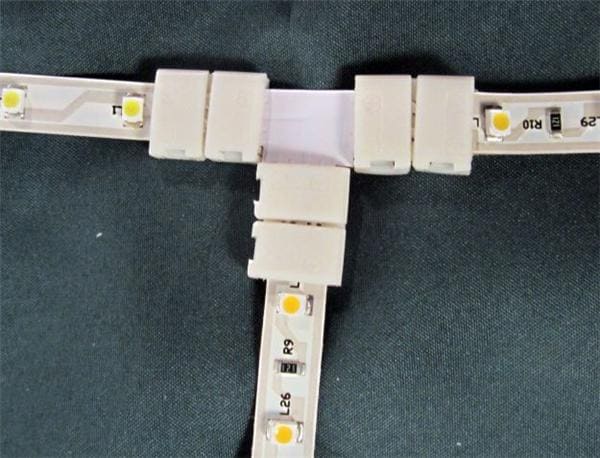
Where lighting cable assemblies are typically used
In many projects, the cable assembly is not just a passive accessory. It affects installation speed, connector compatibility, routing flexibility, and long-term reliability in the field. Lighting cable solutions are commonly selected for LED fixtures, machine lighting, display systems, cabinet illumination, and other applications where clean, repeatable connections are required.
Depending on the design, these assemblies may connect a plug to a pigtail, link matching male and male interfaces, or provide a sealed panel-mount transition point. For engineers and buyers managing broader wiring needs, related options such as computer cables or Ethernet and networking cables may also be relevant in the same control cabinet or equipment build.
Common cable formats in this category
This category includes several connector and termination styles that support different installation methods. A plug-to-pigtail cable is often chosen when one side must mate with a defined lighting connector and the other side needs to be hard-wired into the system. Panel-mount socket assemblies can help create a cleaner equipment interface, especially where frequent connection and disconnection are expected.
There are also field-installable connector solutions for cases where custom cable length or on-site assembly is important. In LED display and embedded hardware environments, dedicated LED cable assemblies with defined pin counts are often used to connect controller boards, backlight modules, or display-related subsystems with less wiring complexity.
Featured manufacturers and representative products
Several well-known suppliers appear in this range, including TE Connectivity, AMP Connectors - TE Connectivity, Molex, Advantech, and Amphenol LTW. Each serves slightly different integration needs, from general lighting interconnects to LED-specific cable assemblies and sealed connector systems.
Representative examples include the TE Connectivity 2231986-1 cable assembly with plug-to-pigtail configuration, the AMP Connectors - TE Connectivity 2829473-1 sealed 3-position panel-mount socket style, and the Molex 68800-0707 lighting cable harness. For display and LED hardware integration, products such as Advantech 96CB-E0605PAH3, 96CB-E0605PAH1, and 96CB-E0605PAJ3 illustrate the type of dedicated LED cabling often used between boards and lighting-related modules.
Amphenol LTW also contributes useful options for more demanding environments. Parts such as SSL11-P2LP0-B22A02 and SSL11-J2LJ0-B22A04 support field-installable connections, while the SSL12-P4LP0-M18H01 shows how sealed cable assemblies can be applied where moisture resistance and protected mating are important.
What to consider when selecting lighting cables
The most important starting point is connector compatibility. Verify the mating interface, gender, pin count, and whether the connection is plug, socket, jack, receptacle, or pigtail terminated. Small mismatches at this stage can delay assembly or require unnecessary adapter work.
Cable length is another practical factor. Shorter assemblies can help reduce excess slack in compact fixtures, while longer runs may be necessary when power or control points are separated from the lighting element. Jacket material, color, and wire gauge may also matter depending on routing constraints, mechanical handling, and the electrical load of the system.
In harsher operating environments, buyers often look for sealed or overmolded designs to improve resistance to dust, moisture, and repeated handling. If the cable will be installed in an enclosure, on a machine, or in a semi-outdoor lighting application, this can be a more appropriate choice than an open termination style.
Selection logic for OEM, panel, and LED integration projects
For OEM builds and repeat production, pre-assembled lighting cables can improve consistency and shorten installation time compared with manual cable preparation. A standardized cable assembly also helps purchasing teams control BOM variation and makes maintenance replacement easier later in the product lifecycle.
For panel or enclosure designs, a panel-mount cable option can create a more serviceable interface between internal wiring and external lighting connections. For LED displays, industrial monitors, and embedded electronics, dedicated LED cable assemblies from suppliers such as Advantech may be preferable when pin mapping and connector format must align with specific hardware families.
How lighting cables fit into a broader cable ecosystem
Lighting assemblies are often selected alongside other interconnect products in the same machine, kiosk, or control system. A project may combine lighting-specific wiring with data, display, and peripheral cabling depending on the architecture of the equipment. Keeping these cable types organized by function can make sourcing and maintenance more efficient.
For example, teams working on multimedia, embedded display, or communication-enabled equipment may also need D-Sub cables for legacy interfaces or other cable assemblies for networked devices and operator connections. Reviewing cable requirements as a complete system, rather than as isolated parts, usually leads to better compatibility and simpler installation planning.
Choosing the right option for long-term reliability
A suitable lighting cable is not only about electrical connection. It should also match the installation method, environmental conditions, mechanical routing, and service expectations of the final application. Pre-terminated harnesses, sealed panel-mount styles, and field-installable connectors each solve different integration problems, so the best choice depends on how the lighting system will actually be built and maintained.
This category brings together practical options for buyers, engineers, and integrators who need dependable lighting interconnects from recognized manufacturers. If you are comparing connector styles, cable lengths, or installation formats, reviewing the available assemblies in context of your full system design will help narrow down the most suitable solution.
Get exclusive volume discounts, bulk pricing updates, and new product alerts delivered directly to your inbox.
By subscribing, you agree to our Terms of Service and Privacy Policy.
Direct access to our certified experts
