FFC & FPC Jumper Cables
When space is limited and connector density keeps increasing, cable selection becomes more than a simple wiring decision. Engineers and buyers often look for interconnect options that support compact layouts, organized routing, and reliable signal transfer between boards, modules, and assemblies. FFC & FPC Jumper Cables are commonly chosen in these situations because they help simplify internal connections where traditional round cable may be less practical.
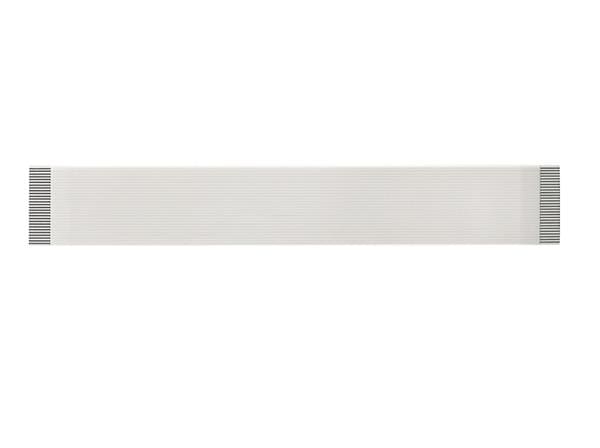
Where FFC & FPC jumper cables fit in modern equipment
In compact electronics, control panels, embedded systems, and OEM assemblies, flat cable formats help reduce bulk while keeping conductor paths clearly arranged. Their low-profile construction can be useful in applications where routing space is tight, especially between connectors, daughter boards, displays, and interface modules.
Compared with more conventional wiring approaches, these cable types are often selected for their space-saving form factor and cleaner cable management. They can also make assembly more consistent when the design calls for repeatable conductor spacing, defined pitch, and organized termination across multiple channels.
Common construction characteristics to review
Although products in this category may vary by design, buyers usually begin by checking a few core parameters: pitch, number of conductors, cable length, conductor size, insulation material, and voltage rating. These details have a direct impact on connector compatibility, routing flexibility, and overall fit within the intended assembly.
Several representative 3M flat cable options in this category illustrate the range available. For example, models such as 3M 3365/24 Flat cable and 3M 3365/20SF Flat cable reflect a 1.27 mm pitch format often used in multi-conductor interconnect layouts, while options such as 3M 3754/68 100 Flat cable and 3M 3754/30 300 Flat cable show a finer 0.64 mm pitch for denser connections. This makes it easier to align cable choice with connector geometry and required channel count.
Typical applications for flat jumper cable assemblies
These cables are frequently used in equipment where orderly conductor arrangement matters as much as electrical continuity. Internal signal routing in instrumentation, compact control units, HMI assemblies, printers, and embedded electronics are typical examples. In many cases, the flat profile helps simplify cable dressing and supports a more predictable mechanical layout.
Some designs also benefit from cable styles that allow conductor separation where needed. A product such as 3M 3365/15SF Flat cable, described with a zip-possible construction, can be relevant when installers need to break out selected conductors during assembly while still maintaining the advantages of a flat cable format.
How to choose the right cable for your design
A practical selection process starts with the mating interface. Confirm the required pitch first, then match the conductor count to the number of active channels in the circuit. After that, review voltage rating, temperature range, and insulation type so the cable fits both the electrical and environmental demands of the application.
It is also important to consider routing length and flexibility. A compact assembly may call for a shorter cable with tighter conductor spacing, while larger panel or chassis layouts may require longer runs and a construction that is easier to handle during installation. If your project involves other wiring styles in the same system, it can also be helpful to review related options such as hook-up wire or specialized cables for sections of the design that are not suited to flat cable.
Examples from the current range
The product mix in this category includes multiple 3M flat cable formats for different interconnect needs. For higher conductor counts, 3M 3754/68 100 Flat cable offers a dense multi-core format, while 3M 3749/60 100 Flat cable and 3M 80610804215 Flat Cable Polyvinyl Chloride 26Conductors 28AWG 300V Gray/Red Edge 30.48m/91.44m Roll show how conductor count and cable style can be aligned to different assembly requirements.
For more conventional ribbon-style internal wiring, 3M 3365/24 Flat cable and 3M 3365/20SF Flat cable are useful reference points. Where the application benefits from paired conductors, 3M 1700/36 100SF Flat cable stands out as a flat twisted pair option rather than a standard flat ribbon format. These examples show that the category is not limited to one single cable geometry, but supports a broader interconnect ecosystem for compact equipment design.
Manufacturer context and compatibility considerations
3M is a key reference brand in this category, especially for flat cable constructions used in internal equipment wiring and multi-conductor interconnect design. The available range demonstrates variation in pitch, conductor count, voltage class, and mechanical format, which is helpful when matching cable to connectors and board-to-board or board-to-module layouts.
Compatibility should always be verified at the connector and assembly level. Even when two cable products appear similar, small differences in pitch, thickness, conductor arrangement, or termination expectations can affect fit and long-term performance. Where connector families from manufacturers such as AMP Connectors - TE Connectivity are part of the system, cross-checking the cable dimensions against the intended interconnect hardware is a sensible step before purchase.
Installation and cable management considerations
Flat cable routing is often easier to organize than loose single-conductor wiring, but good installation practice still matters. Avoid excessive bending, twisting beyond the cable’s intended handling range, and mechanical stress near the termination area. Maintaining proper bend management helps preserve conductor integrity and reduces the risk of intermittent faults during operation.
For cleaner panel builds or harness organization, supporting accessories can also play a role. In some assemblies, cable ties may help secure routing paths without adding unnecessary clutter. The goal is not only electrical connection, but also a wiring layout that remains serviceable, traceable, and consistent across production or maintenance cycles.
Choosing with confidence
FFC and FPC-related jumper cable selection is usually driven by connector pitch, conductor count, available space, and handling requirements rather than by headline specs alone. Looking at these factors together makes it easier to narrow the range to a cable that fits the electrical design and the physical assembly process.
Whether you are sourcing a standard ribbon-style option such as 3M 3365 series products or reviewing finer-pitch alternatives like the 3M 3754 range, this category supports compact internal interconnect needs across many electronic and industrial applications. A careful review of layout constraints, termination compatibility, and cable construction will lead to a more reliable choice for the finished system.
Get exclusive volume discounts, bulk pricing updates, and new product alerts delivered directly to your inbox.
By subscribing, you agree to our Terms of Service and Privacy Policy.
Direct access to our certified experts