Display
In many measurement and control systems, the display is where raw signal data becomes usable information. Whether the task is dimensional gauging, force monitoring, flow indication, or multi-channel measurement review, the right interface helps operators read values clearly, compare results quickly, and respond with confidence on the shop floor or in a test environment.
Display products in this category support a wide range of industrial readout needs, from simple single-channel indicators to advanced multi-channel digital units with data logging and communication functions. They are used wherever measurement signals must be converted into a practical, operator-friendly format for monitoring, setup, inspection, or process feedback.
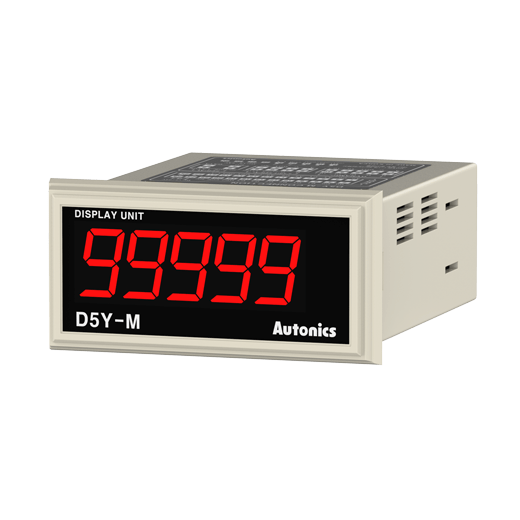
Where display devices fit in industrial measurement
A display unit acts as the visual layer between a sensor or transducer and the user. Instead of working directly with electrical output, the operator can view measured values in engineering units, compare live readings against tolerance windows, and use functions such as peak, hold, min/max, or differential measurement depending on the application.
These devices are common in inspection stations, machine monitoring, test benches, and production lines. In some cases, they operate as standalone readouts; in others, they are part of a wider meters and indicators environment or integrated into broader process and quality control systems.
Typical display types in this category
The range represented here covers several practical display formats. Some products are designed for digital indication of force, weight, pressure, torque, or displacement signals, while others focus on electronic gauging and air-electronic measurement where fine resolution and comparative reading are important.
For example, the AEP Transducers MP10 PLUS series is suited to applications that require high-resolution readout and multi-channel capability for different transducer types. In contrast, Octagon solutions in this category address gauging tasks with single-channel, multi-channel, air-electronic, and LVDT-based display platforms, helping users choose according to sensor type, number of inputs, and how measurement results need to be presented.
Single-channel and multi-channel selection logic
One of the first decisions is whether the application requires one input or several. A single-channel display is often enough for one-point measurement, simple comparator tasks, or localized operator stations. This approach can reduce complexity when only one sensor needs to be monitored and the required functions are straightforward.
Multi-channel displays are more appropriate when several measurement points must be reviewed together, when different channels are compared, or when the operator needs a consolidated readout for a fixture, machine, or inspection cell. Products such as Octagon Single Channel Electronic Gauging Displays, Octagon Multi Channel Electronic Gauging Displays, and Octagon Octa-Gage units illustrate how channel count affects system architecture, user workflow, and reporting possibilities.
Sensor compatibility and application context
Not every display works with every input type, so compatibility should be reviewed early in the selection process. Within this category, examples include units designed for force and displacement transducers, piezo air sensors, inductive electronic sensors, and multi-channel LVDT configurations. Matching the display to the sensing principle is essential for stable readout, useful resolution, and practical calibration.
For dimensional inspection, Octagon air-electronic and electronic gauging displays are particularly relevant where absolute or comparative measurements, tolerance indication, and repeatable operator feedback are required. For transducer-based test setups, AEP Transducers digital indicators provide a different style of platform, especially where broader physical measurement types and data transfer functions matter.
Key functions that matter in real use
When evaluating a display, the specification list is less useful than understanding how the device will be used during actual operation. Important factors often include readability, resolution, number of channels, calibration method, available measurement modes, communication ports, and whether the device supports local storage or export to a PC.
Several products in this category show why those features matter. The AEP Transducers MP10 PLUS + option EMP10ACCMIL7MV Digital Indicator highlights functions such as high-resolution acquisition, USB communication, data logging, and support for multiple transducer categories. Octagon gauging displays add practical production-oriented functions such as absolute/comparative modes, min/max or TIR reading, pass/fail style indication, and compatibility with footswitch-driven workflows. In applications tied to fluid measurement, the KEM VIC (Ex) Local Display represents a different use case, combining local visualization with signal output and industrial installation requirements.
Display format, usability, and operator workflow
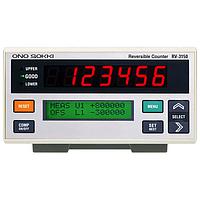
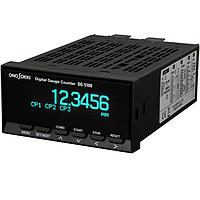
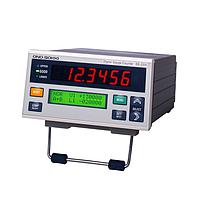
A good industrial display is not only about measurement performance; it also needs to support quick interpretation by the user. Numeric LED readouts are often favored for straightforward value display, while graphical screens can offer bar graphs, dials, trend-style views, or more detailed channel information. The right format depends on whether the user needs a simple acceptance decision or a richer picture of process behavior.
In shop-floor gauging, visual cues such as color indication, comparative display, and warning states can help reduce operator error. In engineering or laboratory settings, users may prefer deeper access to measurement modes, logging, and communication with higher-level process control and monitoring devices. The display should therefore be chosen not only for signal type, but also for the speed, clarity, and consistency required in daily operation.
Representative manufacturers and product examples
This category includes solutions from manufacturers serving different measurement needs. Octagon is strongly represented in electronic gauging and air-electronic display systems, including single-channel, multi-channel, and specialized platforms such as Pneu smart Measure, Pneu Auto measure, and Octa-Gage. These products are especially relevant where dimensional checking, tolerance assessment, and sensor-based comparator functions are central to the application.
KEM contributes local display solutions for flow-related environments, while AEP Transducers provides digital indicator platforms for transducer-driven measurement tasks. The product mix in this category therefore supports both focused readout applications and more advanced measurement interfaces that sit close to the sensor layer but still connect well with larger monitoring systems.
How to choose the right display for your system
The best starting point is to define the signal source, the number of channels, and the purpose of the readout. A quality inspection station may need comparative gauging with clear operator feedback, while a test bench may require multi-parameter display, high acquisition speed, and data export. In either case, it helps to think through how the display will be mounted, who will use it, and whether data needs to be stored, printed, or transmitted.
If the display is part of a wider automation or machine setup, it may also be useful to review related categories such as controller solutions or supporting interfaces and accessories. A well-matched display improves not just readability, but the overall efficiency of measurement, decision-making, and traceability in the application.
Final considerations
Choosing an industrial display is really about selecting the right bridge between a sensing device and the people or systems that rely on its output. Resolution, input compatibility, communication options, and user interface all shape how useful the device will be in practice.
This category brings together display products for gauging, transducer readout, and local indication across different industrial contexts. By focusing on the measurement task first, then matching channel count, sensor type, and usability needs, buyers can narrow the options more effectively and build a more reliable monitoring setup.
Get exclusive volume discounts, bulk pricing updates, and new product alerts delivered directly to your inbox.
By subscribing, you agree to our Terms of Service and Privacy Policy.
Direct access to our certified experts