
Level Measurement
Accurate inventory visibility inside tanks, hoppers, silos, and process vessels starts with selecting the right Level Measurement approach. In industrial environments, level monitoring is not only about knowing whether material is present or absent. It also affects overflow prevention, dry-run protection, batching consistency, dust handling, and overall process reliability across manufacturing, food handling, and bulk solids applications.
This category brings together level measurement solutions used for both point detection and broader process monitoring. Whether the task is detecting dry powder in a bin, confirming high or low level conditions, or integrating vessel status into a control system, the right device depends on media type, mounting method, operating conditions, and the way the signal will be used downstream.
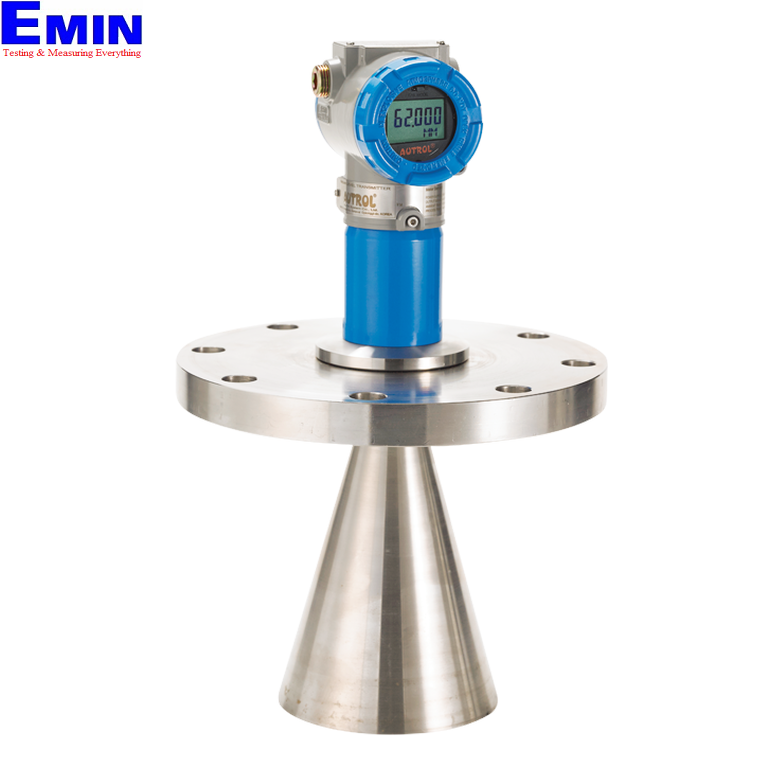
Where level measurement is used in industrial systems
Level measurement is widely used anywhere liquids, powders, or granular materials must be monitored inside enclosed or open containers. Common examples include storage silos for flour or cement powder, process tanks, feed hoppers, dosing equipment, and intermediate holding vessels. In these applications, a reliable level signal helps operators avoid product loss, equipment damage, and production interruptions.
In many facilities, level information is only one part of a larger measurement chain. It is often reviewed alongside pressure measurement data for vessel conditions or paired with flow measurement devices to track consumption, transfer, and refill cycles. This broader context is especially important in automated process lines where multiple variables must work together.
Understanding point level detection for bulk materials
One of the most practical methods in this category is point level detection, which indicates whether material has reached a defined position inside a bin or vessel. For dry bulk solids, paddle level switches are a well-established option because they provide a straightforward electromechanical way to detect the presence of material at a specific level.
When bulk material surrounds the rotating paddle, the resistance changes the switch state and generates an output for alarms, interlocks, or control actions. This makes paddle switches suitable for high-level shutoff, low-level refill signaling, and simple presence detection in powders and granular media. They are commonly selected for materials such as flour, dry powder, and cement powder, especially where rugged installation and direct switching are preferred.
Representative products in this category
Several featured products in this category illustrate how level measurement components are applied in bulk solids handling. The Dwyer PLS2-E-1-3, PLS2-E-1-2, and PLS2-E-1-1 paddle level switches are examples designed for bulk material detection with different supply options, including 24 Vdc, 230 Vac, and 115 Vac. These variants help buyers match the switch to the available control power without changing the basic sensing concept.
For applications requiring a more configurable assembly, models such as the Dwyer PLS-W-S-1-2-CSH-0-0 and PLS-W-S-1-3-0-0-0 show how paddle switches can be paired with different paddles or flanges to suit the mechanical installation. Supporting components like the Dwyer FLG-SSH, FLG-SSF, FLG-CSH, FLG-CSF, PDL-4, and PDL-3 demonstrate that level measurement is often an application-specific system, not just a single standalone device. Mounting hardware, paddle style, coupling type, and materials all influence long-term performance.
How to choose the right level measurement device
Selection starts with the material being measured. Powders and bulk solids behave differently from liquids, and even among solids, density, flowability, particle size, and tendency to bridge or compact can change the sensing result. For paddle switches, media compatibility and minimum bulk density matter because the device must reliably detect when the material contacts the paddle.
Mounting location is the next key factor. Top-mount and side-mount arrangements each support different control objectives. A high-level alarm near the top of a silo may prevent overfill, while a low-level point near the outlet can trigger replenishment or protect upstream conveying equipment. Process connection size, electrical connection style, and enclosure rating should also align with the installation environment.
Temperature, ambient conditions, and area classification should never be overlooked. In industrial dust environments, users often need housings with robust ingress protection and construction suitable for demanding service. Devices in this category include examples with IP66 or NEMA-rated enclosures, as well as models intended for hazardous or harsh operating conditions. These details are often more important than headline features when the goal is long service life and stable switching.
Why configuration details matter
Two level switches may look similar on paper but perform differently once installed. Power supply type, switching arrangement, wetted materials, and maximum process temperature all affect suitability. For example, some featured paddle switches provide SPDT switching for straightforward integration into alarms or PLC input circuits, while others are supplied as assemblies that depend on paddle and flange choices.
This is why engineers and buyers should review the complete sensing and mounting arrangement rather than focusing on only one part number. A control head, paddle, and flange may need to be considered together to ensure the instrument matches vessel geometry, material behavior, and maintenance access requirements. In bulk solids service, a mechanically correct installation is often the difference between consistent detection and nuisance trips.
Brands commonly considered for level measurement projects
This category includes solutions from manufacturers that support industrial sensing and automation needs across different application ranges. Alongside the strong presence of Dwyer in the featured products, buyers may also evaluate offerings from Endress+Hauser, OMEGA, Banner Engineering, Honeywell, Festo, and OMRON depending on the sensing principle, integration requirement, and plant standard.
Brand choice usually comes after the sensing method is defined. In practice, users first determine whether they need a simple point switch, a continuous transmitter, a compact sensor for machine integration, or a more complete control architecture. Once that need is clear, manufacturer preference can help narrow the selection based on compatibility, documentation, and maintenance familiarity.
Typical buying considerations for B2B users
Industrial buyers often need more than a basic on/off indication. They may be planning a retrofit into an existing vessel, standardizing spare parts across multiple lines, or replacing a failed device without changing conduit, power, or mounting geometry. In these cases, practical details such as supply voltage, process connection, and enclosure style can be just as important as the sensing technology itself.
It is also useful to think about how the signal will be used inside the larger automation system. Some applications only need a local alarm, while others feed into a relay panel, SCADA layer, or PLC-based process logic. If the project extends beyond simple level detection, related equipment such as flow instrumentation and pressure devices may also be part of the same specification package.
Finding the right fit for your application
The best level measurement solution is the one that matches the actual process conditions, not just the category label. Bulk solids, powders, and vessel geometry create very different requirements from one application to another, so it is worth comparing switching method, installation style, environmental protection, and component compatibility before ordering.
From simple paddle-based point detection to broader process-level instrumentation, this category is intended to support practical industrial selection. If you are comparing options for hoppers, silos, or process vessels, focus on the material, the mounting point, and the control objective first. That approach makes it easier to identify a reliable device that fits the process and integrates cleanly into the rest of the system.
Get exclusive volume discounts, bulk pricing updates, and new product alerts delivered directly to your inbox.
By subscribing, you agree to our Terms of Service and Privacy Policy.
Direct access to our certified experts
