Phosphate meter
Controlling phosphate levels is important in many water testing workflows, from environmental monitoring and wastewater checks to marine systems and process water verification. When phosphate is too high or too low for the application, it can affect treatment efficiency, biological balance, and overall water quality decisions. This category brings together phosphate meter solutions and supporting consumables used to measure phosphate reliably across different concentration ranges.

Where phosphate measurement is used
Phosphate testing is commonly required where nutrient loading, chemical dosing, or water condition trends need to be monitored. In environmental and industrial settings, phosphate results help operators assess treatment performance, investigate contamination sources, and maintain process consistency. In marine and aquaculture-related applications, low-level phosphate measurement can also support routine water quality control.
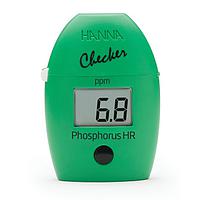
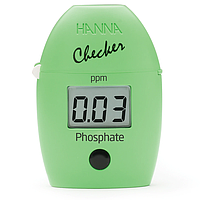
The instruments in this category are suited to users who need a practical way to quantify phosphate rather than rely only on visual estimation. Depending on the task, that may mean a compact checker for quick field checks, a portable photometer for more structured measurement, or a manual test kit for routine screening.
Typical phosphate meter formats in this category
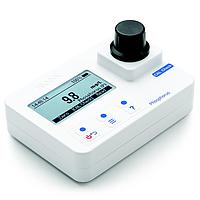
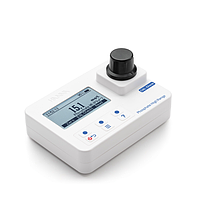
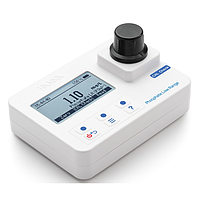
This selection includes several common approaches to phosphate analysis. Portable photometers are a strong fit when users need digital readings, repeatable workflows, and better control over low-range or high-range measurement tasks. For example, HANNA HI97713 is designed for low-range phosphate measurement, while HANNA HI97717 supports high-range applications where broader concentration coverage is needed.
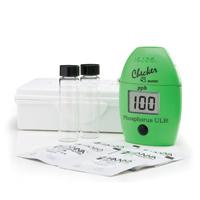
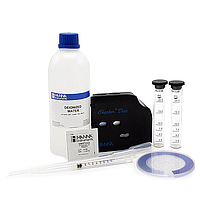
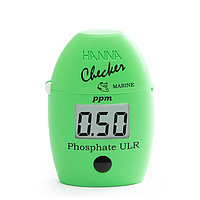
For fast and convenient spot checks, compact checker-style instruments are also relevant. The HANNA HI774 Marine Phosphate Ultra Low Range Checker is an example aimed at very low phosphate measurement, especially where fine resolution matters. For simpler routine testing, products such as the Hanna HI3833 Photsphate Test kit and HANNA HI38061 Phosphate Test Kit provide a more manual but still practical route for field or bench use.
How these meters work in practice
Most phosphate meters in this category use a colorimetric method. In simple terms, the sample reacts with a reagent to produce a color change, and the instrument measures light passing through the sample to calculate phosphate concentration. This approach is widely used because it offers a good balance between usability, speed, and sensitivity for water analysis.
Different instruments are configured for different measuring ranges and use cases. Low-range models are useful when even small phosphate changes matter, while high-range models are better suited to samples with more substantial phosphate content. Test accuracy in day-to-day use also depends on consistent sample handling, clean cuvettes, correct reagent use, and proper verification with standards where applicable.
Choosing the right phosphate meter
The first selection factor is the measurement range. If your work involves trace or ultra-low phosphate levels, a checker or photometer designed for that range will be more suitable than a general high-range unit. If you expect variable or elevated phosphate concentrations, a high-range model like HANNA HI97717 may be more practical than repeatedly diluting samples for a lower-range device.
The second factor is workflow. A portable photometer is often the better choice for maintenance teams, service engineers, and plant operators who need digital results and a more structured measurement process. A manual test kit may be sufficient where testing frequency is lower, budgets are tighter, or the result is used mainly for screening. If your application also relies on supporting chemistry, browsing water testing reagents can help complete the workflow.
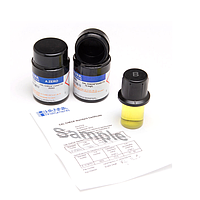
It is also worth considering calibration and verification support. Products such as HANNA HI97717-11 Phosphate High Range CAL Check™ Standards, HANNA HI97706-11 Phosphorus CAL Check Standard Solution, and HANNA HI774-11 Phosphate Meter Testing Solution For Seawater help users confirm instrument performance and maintain confidence in reported values.
Supporting products matter as much as the meter
In phosphate analysis, the instrument is only one part of the measurement chain. Reagents, standards, cuvettes, and testing solutions directly influence repeatability and day-to-day usability. This is especially important in applications where measurements are frequent or where low-level phosphate changes need to be tracked over time.
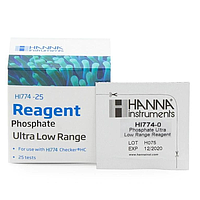
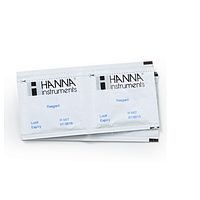
Examples in this category include HANNA HI93713-03 Phosphate Low Range Reagents, HANNA HI736-25 Phosphorus ULR Reagents, and HANNA HI774-25 Marine Nitrate Checker Reagents. Even when the meter itself is well chosen, using the correct consumables is essential for keeping the method aligned with the instrument design. For buyers managing broader analytical routines, related tools such as test paper may also support quick preliminary checks in other parts of the process.
Manufacturer ecosystem and product consistency
A large portion of this category is centered around HANNA, which is widely recognized for portable water analysis instruments, checker-style meters, reagents, and verification solutions. That ecosystem approach can be helpful for users who prefer to source the meter, standards, and consumables from one compatible product family rather than mixing methods across different platforms.
Other manufacturers listed for broader context include MILWAUKEE, Probest, HUMAS, and KRK - NHẬT. Depending on purchasing preferences and project requirements, brand-level browsing may help users compare available options, but the best fit still depends on range, application, and maintenance needs more than brand name alone.
Practical buying considerations for B2B users
For industrial and laboratory purchasing, phosphate meter selection usually goes beyond the initial device price. It is useful to review ongoing reagent availability, verification requirements, expected test volume, ease of operator training, and whether the instrument will be used in the field or primarily on the bench. A compact handheld format may be ideal for mobile technicians, while a more full-featured photometer may better suit structured routine testing.
If your testing scope extends to ion-specific analysis beyond phosphate, related categories such as ion measurement electrodes can provide additional options for a more complete water testing setup. This is often relevant for facilities that monitor multiple parameters as part of one environmental or process control program.
Finding the right fit for your application
Whether you need a simple field kit, an ultra-low-range checker for marine work, or a portable photometer for more controlled measurements, the right choice depends on sample type, target range, and how the result will be used operationally. Looking at the full measurement workflow, including reagents and performance checks, usually leads to a more reliable purchasing decision than comparing meters by headline specification alone.
This phosphate meter category is designed to support that process with instruments, standards, and consumables suited to routine water testing. If you already know your required range and testing method, you can narrow options quickly; if not, comparing application type and maintenance needs is the best place to start.
Get exclusive volume discounts, bulk pricing updates, and new product alerts delivered directly to your inbox.
By subscribing, you agree to our Terms of Service and Privacy Policy.
Direct access to our certified experts