


Density and concentration meter PCE
Which Industries Use Solution Concentration Meters?
In manufacturing and research, the concentration of dissolved substances always plays a central role. Each industry has its own way of operating, but the common point is that quality is only maintained when operators know exactly the condition of the solution they are working with—whether it is concentrated or diluted, uniform or not. For that reason, solution concentration meters become essential in most processes that involve liquids. From a single measurement, users can control mixing procedures, monitor batch quality, evaluate raw material stability, or inspect finished products.
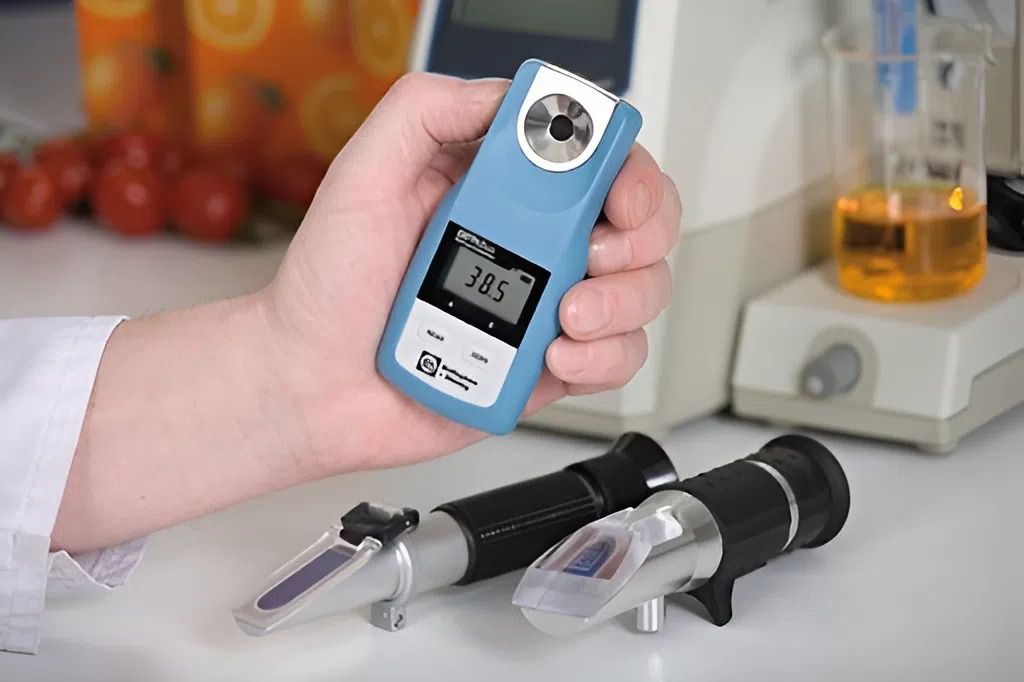
Solution concentration meters (also known as density meters) come in different operating principles and precision levels. Regardless of the segment, they act as a reference standard, helping businesses reduce risks, save costs, and maintain consistent quality across all batches.
Industries That Use Solution Concentration Meters
Food & Beverage Industry
This is the industry that uses concentration meters the most, as consistency is crucial. A soft drink, juice, or dairy manufacturer cannot maintain flavor if the solution ratio is incorrect. Common measurements include:
- Brix in fruit juice, soft drinks, jams, syrups, craft beer, or wine.
- Salinity in fish sauce, sauces, canned food.
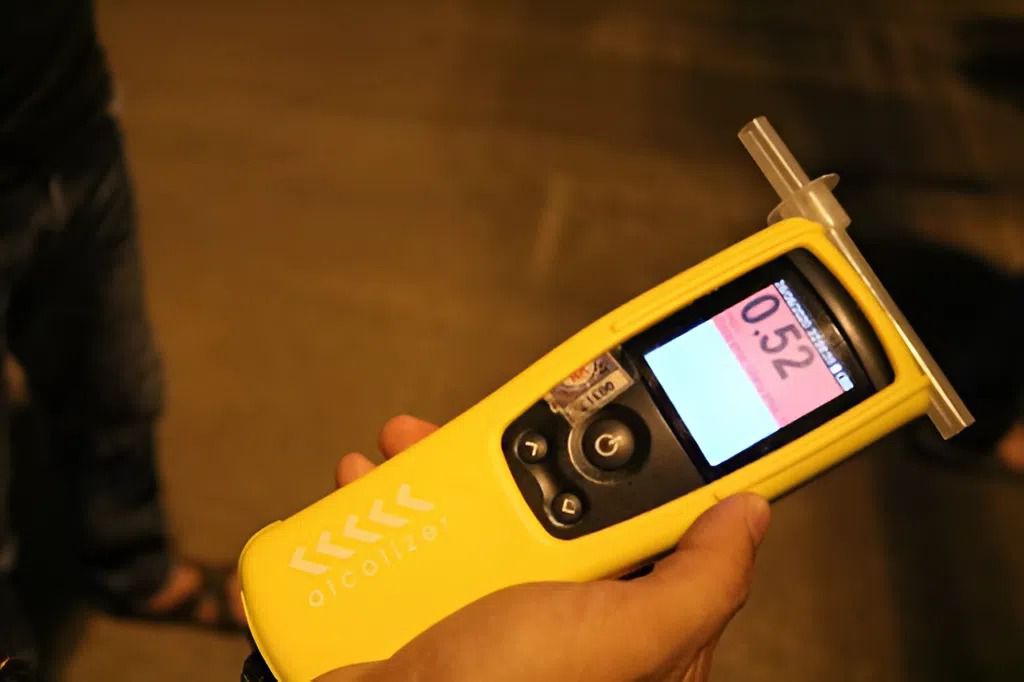
- Alcohol concentration in beer, wine, and spirits.
These measurements can be taken directly on the production line or from samples of each batch. In large-scale plants, recording measurement data by batch helps assess raw material quality, monitor storage conditions, and track product stability during warehousing.
Chemical & Pharmaceutical Industry
In chemicals and pharmaceuticals, every formula is built on specific concentrations. If any component deviates, the product will fail to meet standards. Solution concentration meters are used in various stages:
- Preparing acids, bases, and solvents at precise ratios.
- Measuring density to determine the specific gravity of components in cosmetic or pharmaceutical formulations.
- Monitoring concentration changes during reactions or purification processes.
Laboratories in this sector require high repeatability, deep resolution, stable operation, and reliable data traceability. As a result, they often use benchtop density meters with enclosed measurement chambers and advanced automation.
Environmental & Water Treatment Industry
Units involved in environmental monitoring, wastewater treatment, drinking water supply, or aquaculture must evaluate water quality daily. Solution concentration meters help monitor:
- Chemical concentrations in industrial wastewater.
- TDS in treatment systems.
- Salinity in ponds, recirculating systems, or coastal farming zones.
Even small changes in salinity or TDS can directly affect aquatic growth. Therefore, many farms and aquaculture facilities have shifted from estimation-based methods to handheld instruments for instant on-site measurements.
Oil & Automotive Industry
In powertrain engineering, antifreeze, coolant, and brake fluid must maintain proper concentration to function effectively. If antifreeze is diluted beyond allowable levels, the system cannot protect the engine. For this reason, concentration meters are used to:
- Check coolant before it is added to the engine.
- Evaluate brake fluid quality.
- Monitor antifreeze concentration for routine maintenance.
Common Types of Solution Concentration Meters
Solution concentration meters come in various forms to suit different needs and budgets. Each type has its own strengths, from simple handheld devices to advanced laboratory instruments.
1. Handheld Refractometers
Handheld refractometers are popular in small production facilities, food factories, or field environments. They operate based on changes in the refractive angle of light passing through a solution. They are compact, easy to use, and affordable.
However, accuracy depends on user technique, requires frequent calibration, and is easily affected by temperature. Even so, for quick measurements like Brix or salinity, refractometers still perform well.
You can refer to the following models:
- INSIZE ISQ-RM30 Coolant Concentration Refractometer
- Holani CST-802 CaCl-F2 Concentration Refractometer
2. Handheld Digital Concentration Meters
When faster workflow and higher stability are needed compared to mechanical refractometers, many facilities switch to digital concentration meters. These devices use digital sensors, display results clearly, and often include automatic temperature compensation to minimize deviation.
Their strength lies in versatility: suitable for food, pharmaceuticals, cosmetics, or small workshops. Measurement data is usually more consistent, and operation does not require high skill levels.
Recommended model: ATAGO PEN-Ethanol W Alcohol Concentration Refractometer, widely appreciated for quick measurement, comfortable handling, and suitability for KCS–QC departments that need to control alcohol concentration across various products.
3. Benchtop Density Meters
For laboratories or companies requiring deep resolution, benchtop density meters are the most professional choice. They can measure to multiple decimal places, feature enclosed chambers, and offer automatic temperature control to minimize environmental effects.
QC and R&D departments in chemical, pharmaceutical, and oil industries often choose this type because they need highly reliable data to build formulas or assess raw material quality.
Typical models include:
- Fuootech DST-2000 Oil Density Meter
- KASAHARA EMC-700 Inductive Liquid Concentration Meter
The Growing Demand for Solution Concentration Measurement
Manufacturers today work with batch-based testing, traceability by lot number, and periodic reporting. As production increases, the number of required measurements also rises. Solution concentration meters help shorten inspection time and reduce errors from manual handling. Many plants that previously used mechanical refractometers have switched to electronic meters to obtain more stable data, easier logging, and simpler training for new operators.
Another noticeable change is that measurement results are no longer for reference only. QC teams now store data by day, compare across shifts, and cross-check with raw materials or storage conditions. In industries like food, chemicals, or environmental monitoring, this data is used to correct deviations within the same day to prevent entire batch issues.
This shift in workflow has driven demand for concentration meters across various sectors. From medium-sized food workshops and research labs to large industrial zones, most facilities now require a device that measures quickly, is easy to operate, and suits the specific type of solution they handle.
-
-
-
-
-
-
-
-
-
-
-
-
-
-
-
-
-
-
-
-
-
-
-
-