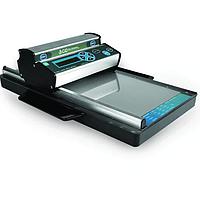
Leaf area measuring device
Accurate leaf area data is essential in plant physiology, agronomy, crop research, and environmental studies. When researchers need a practical way to quantify leaf size, compare growth stages, or evaluate stress responses, a leaf area measuring device helps turn plant samples into repeatable numerical data that can be used for analysis, reporting, and long-term monitoring.
On this page, you can explore instruments designed for both portable field use and bench-based laboratory measurement. These systems are commonly selected for work involving leaves, leaf fragments, and other flat biological samples where area, width, and related dimensions need to be measured with good consistency.

Where leaf area meters are used
Leaf area measurement is a routine task in many types of plant-focused work. Universities, agricultural research stations, seed companies, greenhouse operators, and environmental laboratories often rely on these instruments to evaluate canopy development, biomass trends, nutrient response, and the effects of irrigation or disease.
In practical terms, the measured area can support studies of photosynthetic potential, plant vigor, defoliation, and treatment comparison. For users working across a broader testing workflow, related tools in environmental and liquid testing may also be relevant depending on how plant and water parameters are evaluated together.
Portable and benchtop measurement approaches
One of the main selection decisions is whether the instrument will be used primarily in the field or in a controlled lab environment. Portable leaf area meters are useful when samples need to be measured close to the collection point, reducing handling time and helping preserve sample condition during field trials or greenhouse inspections.
For example, the LI-COR LI-3000C Portable Leaf Area Meter and the CID Bio-Science CI-202 Portable Laser Leaf Area Meter are designed for mobile use. These types of instruments typically support direct scanning of leaves with onboard display and memory, making them well suited to researchers who need flexibility and efficient data capture outside the lab.
By contrast, a benchtop system such as the LI-COR LI-3100C Area Meter is often chosen for higher-throughput routines in a fixed workspace. This type of setup can be advantageous when many samples must be processed in sequence and when consistent sample presentation is important for standardized measurement procedures.
Key factors when choosing a leaf area measuring device
The best fit depends less on brand alone and more on the measurement task. Sample size, thickness, expected throughput, required mobility, and data handling preferences all affect which instrument category is most suitable.
Users often start by checking the allowable sample dimensions. Some instruments are better suited to narrow leaves, while others support wider samples or greater thickness. Resolution and stated accuracy also matter, especially when comparing small differences across treatments or replicates. In field studies, battery operation, internal memory, and interface options such as USB can make day-to-day work more efficient.
It is also worth considering how measurement results will be stored and transferred. Instruments with onboard memory help reduce manual transcription, while communication interfaces simplify movement of data into spreadsheets or laboratory documentation systems. If your work includes broader plant analysis workflows, you may also want to review the wider leaf area measuring device range to compare available formats.
Representative instruments in this category
LI-COR is widely recognized for plant measurement instruments, and this category includes both portable and benchtop options from the brand. The LI-3000C Portable Leaf Area Meter is suited to users who need a field-capable system with data storage and flexible operation. The LI-3100C Area Meter is better aligned with laboratory workflows where larger numbers of samples may be processed with a conveyor-style measuring approach.
CID Bio-Science is another important manufacturer in this space. The CI-202 Portable Laser Leaf Area Meter is a practical example of a handheld or transportable solution for direct sample measurement, especially where portability and simple scanning are priorities.
These products illustrate the range of use cases found in the category: compact field instruments for mobile research and larger systems for repeated lab measurement. Rather than treating all leaf area meters as interchangeable, it is better to match the device to the sample type, work environment, and expected number of measurements per session.
What to look for in day-to-day operation
Beyond headline specifications, usability has a major impact on productivity. A clear display, straightforward controls, and stable sample feeding or scanning can reduce operator error and shorten training time. For teams running repeated trials, this can be just as important as nominal measurement resolution.
Data continuity is another practical consideration. Instruments with internal storage are helpful when measurements are collected away from a computer or when multiple operators share the same device. Portable systems with rechargeable battery operation can also support extended field sessions without interrupting work.
Environmental conditions should not be overlooked. If the instrument will be used in greenhouses, outdoor plots, or humid lab spaces, users should confirm that the operating range aligns with the intended application. This is especially relevant when measurements are part of seasonal research programs or multi-site studies.
How this category supports research and quality workflows
A leaf area meter is not only a measurement tool; it is often part of a larger experimental workflow. Area data may be paired with biomass measurements, irrigation records, nutrient tests, or visual health observations to build a more complete picture of plant response over time.
In breeding, cultivation, and environmental monitoring work, repeatable measurement supports better comparison between plots, varieties, or treatment groups. For laboratories and technical buyers, choosing the right instrument can improve consistency across operators and help standardize reporting methods.
Where plant measurements are connected to other analytical activities, users sometimes also review adjacent testing tools such as test paper or ion measurement electrodes for broader monitoring workflows. The exact combination depends on the scope of the study and the parameters being tracked.
Choosing with confidence
This category brings together instruments for measuring leaf area in both field and laboratory settings, with options from established manufacturers such as LI-COR and CID Bio-Science. Whether the priority is portability, throughput, sample size compatibility, or data handling convenience, the right choice starts with a clear understanding of how and where the instrument will be used.
By comparing measurement format, sample capacity, and workflow needs, buyers can narrow the selection to devices that support reliable plant analysis without adding unnecessary complexity. For research teams, agronomy professionals, and technical laboratories, a well-matched leaf area measuring device can become a valuable part of routine plant evaluation and documentation.
Get exclusive volume discounts, bulk pricing updates, and new product alerts delivered directly to your inbox.
By subscribing, you agree to our Terms of Service and Privacy Policy.
Direct access to our certified experts