Photometer Calibration Service
Reliable readings are essential when photometers are used for water analysis, chemical dosing control, environmental monitoring, or laboratory verification. Even a well-maintained instrument can drift over time, which affects measurement confidence and can lead to incorrect process decisions. A professional Photometer Calibration Service helps confirm that the instrument is performing within expected limits and supports better traceability in day-to-day testing.
This service category is intended for users who depend on photometric measurements for consistent analytical results. Whether the instrument is used in routine quality checks or more controlled technical environments, calibration is a practical step to maintain accuracy, reduce uncertainty, and extend the usefulness of the device.
Why photometer calibration matters
A photometer works by measuring how a sample interacts with light at specific wavelengths. Because this process depends on optical components, electronics, and reference conditions, small deviations can gradually influence the displayed value. Regular calibration helps verify that the instrument response remains aligned with accepted measurement standards.
In practical terms, calibration supports measurement reliability across repeated tests. This is especially important where results are used for compliance reporting, internal quality systems, maintenance decisions, or chemical treatment adjustment. When readings are consistent and documented, teams can work with greater confidence in the data.
Typical applications for calibrated photometers
Photometers are commonly used in environmental and industrial testing where rapid analytical checks are needed. Typical use cases include water quality analysis, wastewater treatment support, process control, and laboratory sample evaluation. In these settings, dependable instrument performance is more important than simply obtaining a reading quickly.
Calibration is also relevant when multiple operators use the same device or when measurements are compared across different sites. A calibrated instrument makes it easier to maintain consistency between users, methods, and reporting periods. For organizations managing several instrument types, related services such as light meter calibration service may also be useful within the same maintenance program.
What is typically checked during the service
A photometer calibration process generally focuses on verifying the instrument’s optical response, reading stability, and overall measurement behavior against known references. The exact procedure depends on the instrument type and intended application, but the goal is the same: to confirm that the unit is suitable for continued use and that its readings remain dependable.
Calibration may also help identify issues that are not obvious during routine operation, such as gradual drift, sensitivity changes, or inconsistencies between expected and actual values. This is particularly valuable for instruments that are used frequently, transported between sites, or operated in variable environmental conditions.
Support for HANNA photometer users
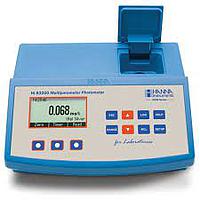
Many users looking for this category are working with instruments from HANNA, a widely recognized brand in portable analytical measurement. Where relevant, the available service can support this installed base, including the HANNA Photometer Calibration Service listed in this category.
Choosing a service aligned with the instrument brand and application helps simplify maintenance planning. It also makes it easier to keep service history organized across your measurement assets, especially when photometers are part of a broader fleet of environmental or laboratory instruments.
When to consider recalibration
Recalibration intervals depend on how the photometer is used, how critical the measurements are, and the level of control required by your internal procedures. Instruments used in frequent testing cycles or in quality-sensitive workflows usually benefit from scheduled calibration rather than waiting for obvious problems to appear.
Other common triggers include unusual readings, results that no longer match reference samples, post-repair verification, or extended field use. If your operation includes other specialized instruments, a coordinated schedule with services such as dew point meter calibration service can help reduce downtime and simplify asset management.
How to choose the right service scope
The most suitable service depends on the instrument’s role in your process. For some users, calibration is mainly about maintaining routine confidence in daily measurements. For others, it supports audit readiness, documented traceability, or tighter process control. Clarifying the purpose of the instrument helps determine how often calibration should be performed and how service records should be maintained.
It is also worth considering the broader measurement environment. Organizations that handle multiple environmental or analytical devices often benefit from a more structured service plan across categories. For example, teams working with moisture-related instruments may also review water activity meter calibration service as part of a wider calibration program.
A practical step toward more dependable results
Photometer performance has a direct effect on the quality of the decisions built around its readings. Regular calibration helps keep those readings credible, supports consistent testing practices, and provides a clearer basis for maintenance planning over the life of the instrument.
If your work depends on stable optical measurements, this category is a practical place to find service options that fit routine laboratory and environmental testing needs. A well-timed calibration can help reduce uncertainty, improve confidence in reported values, and keep your measurement workflow on track.
Get exclusive volume discounts, bulk pricing updates, and new product alerts delivered directly to your inbox.
By subscribing, you agree to our Terms of Service and Privacy Policy.
Direct access to our certified experts