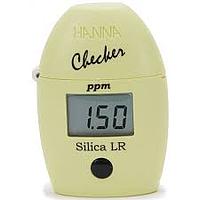
Silica Meter Calibration Service
Accurate silica measurement matters wherever water quality affects process stability, equipment life, or product consistency. In power generation, boiler feedwater monitoring, laboratory work, and industrial water treatment, even small reading errors can lead to poor control decisions. A professional Silica Meter Calibration Service helps keep measurement results reliable, repeatable, and aligned with the performance expected from the instrument.
Calibration is not only about checking whether a meter turns on and displays a value. It is a controlled verification process that compares the instrument response against known references and confirms whether the meter remains suitable for use. For users working with silica analysis as part of routine monitoring or quality control, regular calibration supports traceability, confidence in recorded data, and better maintenance planning.
Why silica meter calibration is important
Silica meters are often used in applications where measurement accuracy directly influences process decisions. In high-purity water systems, for example, silica carryover can contribute to scaling and contamination risks, making dependable readings especially important. Over time, normal instrument drift, sensor behavior, environmental conditions, and routine use can all affect performance.
Calibration helps identify whether the instrument still measures within acceptable limits and whether any adjustment or corrective action is needed. It also reduces uncertainty when comparing current readings with historical data, which is valuable for trend monitoring, reporting, and troubleshooting recurring water quality issues.
What a calibration service typically helps verify
A silica meter service generally focuses on confirming the instrument’s response across the relevant measurement range and checking whether displayed values remain consistent with reference standards. This process supports users who need dependable results for plant operation, internal quality procedures, or maintenance records.
Depending on the instrument and service scope, calibration may also help reveal signs of drift, response deviation, or performance instability that are not always obvious during day-to-day use. That is especially useful when a meter appears functional but gives results that are difficult to reconcile with process expectations or other test methods.
Suitable applications for calibrated silica meters
Silica measurement is commonly associated with water systems where dissolved contaminants must be monitored closely. Typical use cases include industrial utilities, steam and boiler systems, purified water lines, environmental sampling, and laboratory testing workflows. In these environments, calibrated instruments support more dependable decision-making than relying on unverified readings alone.
Organizations that follow scheduled maintenance or documented quality systems often include calibration as part of routine instrument control. This is particularly relevant when silica readings are used to trigger corrective actions, confirm treatment performance, or support audit and compliance documentation.
Service options for HANNA silica measurement equipment
For users working with HANNA instruments, this category includes the HANNA ecosystem as well as the HANNA Silica Meter Calibration Service. Using a service aligned with the instrument type helps ensure that calibration work is relevant to the meter’s intended application and operating characteristics.
When selecting a service, it is useful to consider how often the meter is used, the criticality of the measurement point, and whether the instrument is part of a broader maintenance or quality assurance program. Even in applications with moderate testing frequency, regular calibration can help avoid cumulative errors over time.
How to know when calibration may be needed
Calibration intervals depend on usage conditions, internal quality requirements, and the role of the instrument in the process. In practice, users often schedule service periodically or whenever there is a reason to question measurement reliability. Common triggers include unusual readings, results that conflict with process behavior, long periods of use, or meter exposure to demanding environmental conditions.
Another practical sign is reduced confidence in repeatability. If operators test similar samples and see inconsistent outcomes, calibration can help determine whether the issue is related to the instrument. This makes routine verification an important part of avoiding unnecessary process adjustments based on uncertain data.
Related calibration services for environmental instruments
Facilities that manage multiple portable or benchtop measuring devices often benefit from reviewing calibration needs across the full instrument fleet rather than one device at a time. Alongside silica testing, some sites also require services for water activity meters and dew point meters, depending on their lab or production environment.
In environmental and inspection workflows, related support may also extend to light meter calibration. Looking at calibration requirements across multiple measurement categories can simplify planning and improve consistency in instrument management.
Choosing the right service approach
The most suitable calibration service is usually the one that matches the instrument type, operating context, and level of documentation required by the user. For some organizations, the priority is maintaining dependable readings for internal process control. For others, the focus may be traceable records, maintenance scheduling, or keeping critical test equipment in a controlled condition.
It is also helpful to consider turnaround expectations, how the instrument is used in daily operations, and whether the service needs to fit into a wider preventive maintenance plan. A well-matched service supports both instrument performance and smoother day-to-day operation, especially where water quality data influences important technical decisions.
Supporting better measurement confidence
A silica meter is only as useful as the confidence users can place in its readings. Regular calibration helps reduce uncertainty, supports more consistent monitoring, and provides a clearer basis for maintenance and quality control activities. For organizations that depend on silica testing in water-related processes, this service category is a practical step toward stronger measurement reliability.
Whether you are managing a single analyzer or maintaining several environmental instruments, choosing the right calibration support can improve trust in your data and help keep your monitoring program on track over time.
Get exclusive volume discounts, bulk pricing updates, and new product alerts delivered directly to your inbox.
By subscribing, you agree to our Terms of Service and Privacy Policy.
Direct access to our certified experts