Gas Detector and Meter Calibration Service
Accurate gas measurement is essential wherever safety, compliance, combustion efficiency, or indoor air quality must be verified with confidence. Over time, sensors drift, response can change, and field instruments may no longer reflect actual conditions as reliably as expected. That is why Gas Detector and Meter Calibration Service plays a critical role in maintaining dependable readings across industrial, commercial, environmental, and maintenance applications.
This category covers calibration support for portable and specialized gas-related instruments used to detect leaks, monitor air quality, measure emissions, and verify hazardous atmospheres. It is relevant for facilities that depend on routine instrument checks, service intervals, and traceable performance when using gas detectors, air meters, or combustion analyzers in the field.
Why calibration matters for gas detection and measurement
Gas detectors and meters are often used in situations where incorrect readings can lead to poor process decisions, unnecessary downtime, or safety risks. Even when an instrument appears to be functioning normally, gradual sensor aging, environmental exposure, and routine use can affect measurement accuracy and response behavior.
Regular calibration helps confirm that the instrument still responds within its intended operating range and provides readings that remain suitable for practical use. For maintenance teams, EHS departments, laboratories, and service contractors, calibration is also an important part of equipment management and documented quality control.
Types of instruments covered in this category
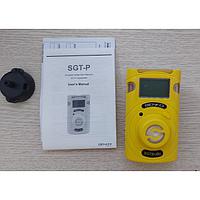
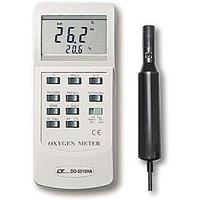
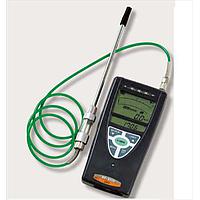
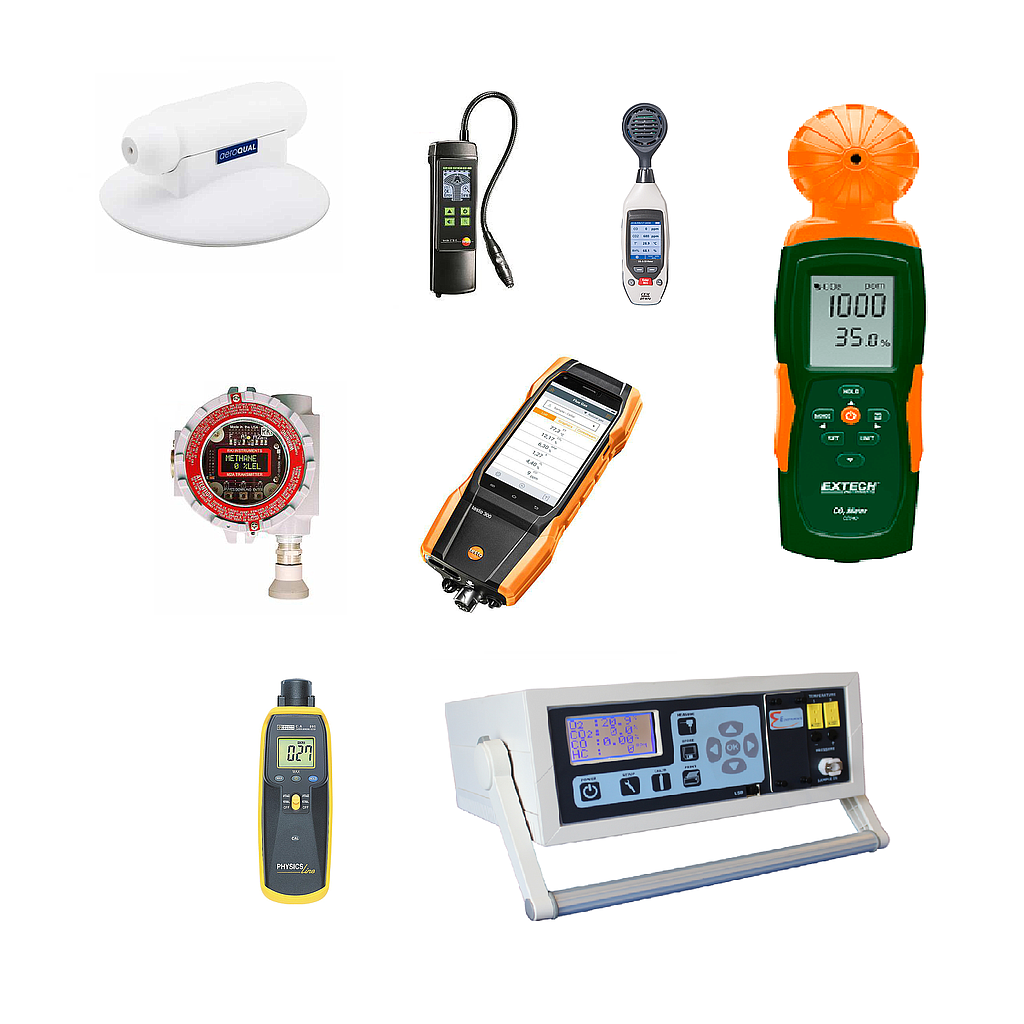
This service category is intended for a broad range of gas-related instruments rather than a single device type. In practice, that can include single-gas and multi-gas detectors, air quality meters, gas leak detectors, and combustion or emission analyzers used in inspection, HVAC, utilities, manufacturing, and environmental monitoring.
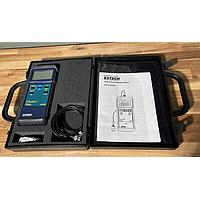
Typical examples in this category include the TESTO Combustion/Emission Analyzer Calibration Service, the Aeroqual Air Quality Monitor Calibration Service, and calibration support for portable gas detection platforms from brands such as INDUSTRIAL SCIENTIFIC, EXTECH, COSMOS, and KANOMAX. These examples show the range of instruments involved, from air monitoring to leak detection and confined-space safety checks.
Common applications across industry
Calibration demand for gas detectors and meters comes from many operational environments. Facilities may use these instruments for worker safety in enclosed areas, for checking combustion systems, for verifying ventilation performance, or for tracking general indoor and ambient air conditions.
Portable detectors are widely used before entry into tanks, pits, ducts, and other potentially hazardous spaces. Air quality meters are often applied in building diagnostics and HVAC work, while combustion and emission analyzers support burner setup, service inspection, and performance verification. Because these instruments serve different tasks, a calibration program should match the device function, usage frequency, and operating environment.
Supported brands and service examples
This category includes calibration services associated with well-known instrument manufacturers such as TESTO, FLUKE, Chauvin Arnoux, Aeroqual, EXTECH, COSMOS, DEFELSKO, and KANOMAX. Mentioning the brand is important because calibration workflows often depend on the type of instrument, sensor design, and intended application rather than on a generic service approach.
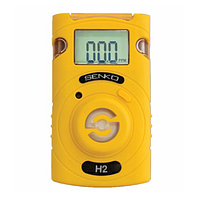
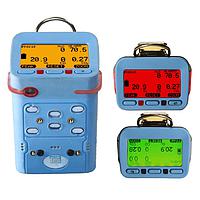
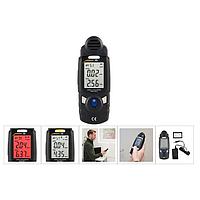
Representative services in this category include TESTO Gas Leak Detector Calibration Service, EXTECH Multi-gas Detector Calibration Service, DEFELSKO Single Gas Detector Calibration Service, Chauvin Arnoux Air Quality Meter Calibration Service, and Aeroqual Single Gas Detector Calibration Service. These examples help buyers quickly identify whether the category aligns with the instruments currently in their maintenance fleet.
How to choose the right calibration service
The most practical starting point is the instrument type and how it is used in the field. A single-gas detector used for routine personal safety monitoring does not serve the same purpose as an air quality meter used in building diagnostics or a combustion analyzer used for burner tuning and emissions checks. Selecting the right service category helps avoid delays and improves service relevance.
It is also useful to consider the measurement function, expected service interval, and whether the instrument is part of a broader preventive maintenance plan. If your needs extend beyond gas-related instruments, related service categories such as electrical and electronic meter calibration or mechanical measuring instruments calibration may also be relevant for centralized equipment management.
What buyers typically look for in this category
For most B2B users, the priority is not just whether a device can be calibrated, but whether the service fits operational requirements. Buyers typically look for support that matches their detector or meter type, helps maintain sensor reliability, and supports consistent performance over time.
Another common consideration is fleet diversity. Many organizations operate a mix of instruments from different brands and for different tasks, such as air monitoring, leak checking, and emissions analysis. A category like this is useful because it brings those related calibration needs into one place, making it easier to compare service options for the devices already in use.
When calibration should be considered
Calibration should be considered whenever an instrument is due for scheduled service, has seen heavy use, has been exposed to harsh conditions, or is showing unexpected readings. It is also a sensible step after repairs, sensor replacement, long storage periods, or before the instrument is deployed for critical measurements.
In many operations, calibration planning is tied to internal safety procedures, maintenance routines, or quality system requirements. A structured service schedule helps reduce uncertainty in field measurements and supports more reliable decision-making when instruments are used for safety checks, environmental verification, or process troubleshooting.
Finding a suitable service for your equipment fleet
This category is designed to help technical buyers narrow down calibration options for gas-related measuring instruments without sorting through unrelated service types. Whether your equipment includes portable leak detectors, air quality meters, or combustion and emission analyzers, the key is to match the service to the actual measurement task and device family.
For teams managing multiple instruments across safety, facility maintenance, and environmental work, a clear calibration structure makes service planning more efficient. Reviewing the available brand-specific and instrument-specific options in this category is a practical way to support dependable readings, better equipment oversight, and more consistent field performance.
Get exclusive volume discounts, bulk pricing updates, and new product alerts delivered directly to your inbox.
By subscribing, you agree to our Terms of Service and Privacy Policy.
Direct access to our certified experts