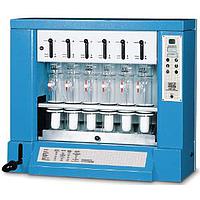
Extractor Calibration Service
Reliable analytical results depend on more than the extraction method itself. When an extractor is used for solvent-based separation, fat analysis, residue recovery, or related laboratory workflows, its operating condition directly affects repeatability, safety, and confidence in the final data. Extractor Calibration Service helps laboratories verify that this equipment is performing within expected conditions and remains suitable for routine use.
In practice, calibration is especially important in laboratories that follow documented quality procedures, compare results across batches, or need traceable equipment checks as part of internal quality control. A structured service approach also helps identify drift, wear, or setup deviations before they lead to inconsistent extraction performance or unplanned downtime.

Why calibration matters for extractor systems
Extractor equipment is typically part of a broader analytical workflow, so small deviations can have a larger impact than expected. Temperature behavior, timing functions, heating stability, and operational consistency can influence extraction efficiency and result reproducibility, especially in laboratories that process samples on a routine basis.
A proper calibration service supports better process control by confirming that key operating parameters are checked systematically. It also gives maintenance and quality teams a clearer basis for scheduling service intervals, documenting equipment status, and reducing uncertainty in day-to-day laboratory operation.
What this service is generally used to support
Extractor calibration is relevant in testing laboratories, research facilities, education labs, food and feed analysis environments, and other settings where sample preparation quality must remain consistent. The goal is not only to verify equipment condition, but also to support a stable workflow around extraction, method validation, and routine analytical work.
For laboratories managing several instrument types, calibration is often part of a wider equipment quality program. In the same environment, teams may also require services such as rotary evaporator calibration or water bath calibration service to keep connected preparation and processing steps under control.
Typical scope of extractor calibration
The exact scope depends on the equipment design and laboratory requirements, but the service generally focuses on verifying critical operating functions that influence extraction performance. This can include checks related to heating behavior, timing accuracy, operational response, and overall functional condition as relevant to the system.
Calibration should also be understood in the context of actual use. A laboratory running frequent routine tests may prioritize consistency and documentation, while a research lab may focus more on confidence during method development and comparison of experimental results. In both cases, the objective is the same: ensure the extractor remains fit for purpose.
Support for Buchi and VELP extractor platforms
Many laboratories standardize around established instrument brands, and service compatibility is an important part of long-term equipment planning. This category includes options for both Buchi and VELP, two names widely recognized in laboratory equipment environments.
Representative services in this category include the Buchi Extractor Calibration Service and the VELP Extractor Calibration Service. These listings help buyers identify a service path that aligns with the installed equipment base, while keeping the focus on calibration readiness rather than treating all extractor systems as interchangeable.
How to choose the right calibration service
Selection usually starts with the actual instrument brand and the way the extractor is used in the lab. Before booking service, it is helpful to review the equipment model, application type, service history, and any internal quality requirements tied to audits, SOPs, or scheduled verification intervals.
It is also worth considering the broader laboratory ecosystem. If the extractor is part of a process chain that includes storage, temperature control, or safety-critical equipment, coordinated calibration planning can reduce administrative effort. For example, some facilities combine extractor-related service scheduling with pharmacy refrigerators calibration service where controlled laboratory support equipment is managed under the same quality framework.
Benefits for laboratory quality and operational continuity
A well-managed calibration program does more than satisfy documentation needs. It helps improve measurement confidence, supports reproducible workflows, and reduces the risk of unnoticed equipment deviation affecting extraction results. This is particularly valuable in labs where consistency across operators, sample batches, or reporting periods is important.
From an operational perspective, regular service can also contribute to better planning. Instead of reacting only when performance problems become visible, laboratories gain a more proactive way to monitor equipment condition and maintain continuity in testing or preparation schedules.
When to consider scheduling extractor calibration
Calibration is commonly considered after extended routine use, following maintenance, during periodic quality reviews, or when extraction results begin to show unexplained variability. It may also be appropriate when a laboratory is preparing for audits, introducing tighter internal controls, or bringing equipment back into active use after a period of inactivity.
If your lab relies on extractor performance as part of a controlled analytical process, having a defined calibration interval can make equipment management more predictable. That approach supports both technical staff and quality teams by creating a clearer record of equipment status over time.
Choosing a service category that matches your laboratory setup
This category is intended for laboratories that need a focused service option for extractor equipment rather than a generic instrument check. By selecting a service aligned with the actual platform in use, teams can make the calibration process more relevant to their workflow and easier to document internally.
Whether you are working with Buchi or VELP systems, the right calibration path should support safe operation, stable performance, and more dependable laboratory outcomes. If your facility manages multiple instrument types, a planned calibration strategy across related equipment categories can help maintain consistency throughout the lab.
Get exclusive volume discounts, bulk pricing updates, and new product alerts delivered directly to your inbox.
By subscribing, you agree to our Terms of Service and Privacy Policy.
Direct access to our certified experts