Electrical and electronic meter inspection service
Reliable measurements depend not only on instrument quality, but also on how consistently each device is checked over time. In electrical maintenance, electronics manufacturing, laboratories, utilities, and field service work, regular inspection helps confirm that meters and testers still perform as expected under real operating conditions.
Electrical and electronic meter inspection service is intended for organizations that use a wide range of test and measurement equipment in daily operations. This category covers inspection support for commonly used electrical meters as well as more specialized electronic instruments, helping businesses maintain confidence in test results, safety checks, and maintenance decisions.
Why inspection matters for electrical and electronic instruments
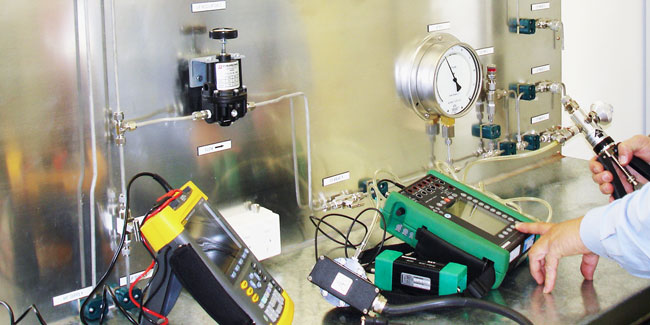
Electrical and electronic meters are often used in environments where accuracy, repeatability, and operational safety directly affect the quality of work. A drifted clamp meter, an unstable earth tester, or a phase indicator with unreliable indication can lead to incorrect diagnosis, unnecessary downtime, or safety risk during installation and maintenance.
Inspection is especially important for equipment that is moved frequently, exposed to demanding site conditions, or used as part of preventive maintenance programs. It gives users a practical way to verify the condition of instruments before issues become costly, while also supporting internal quality procedures and equipment management.
Coverage across general-purpose and specialized meter types
This category includes inspection services for a broad instrument ecosystem, from routine field meters to more application-specific devices. That scope makes it relevant for teams working in power systems, industrial maintenance, electronics testing, building services, and technical laboratories.
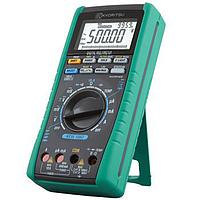
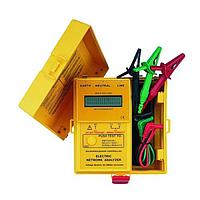
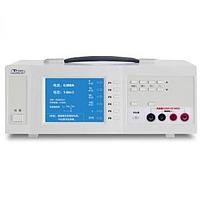
Common examples include clamp meters, phase indicators, electrical safety testers, earth resistance instruments, power analyzers, dataloggers, LCR meters, insulation testers, and picoammeter or nanovoltmeter equipment. If your work also involves adjacent instrument groups, you may want to explore specialty meter inspection services or related support for mechanical measuring instruments.
Typical instruments covered in this category
Many organizations come to this category when they need inspection support for high-use electrical test tools. Representative services in this range include the HIOKI Clamp Meter Inspection Service, HIOKI Phase Indicator Inspection Service, and FLUKE Phase Indicator Inspection Service, all of which align with routine field verification needs in electrical work.
For grounding and installation testing, inspection demand also commonly extends to earth-related instruments. Examples listed here include the Chauvin Arnoux Earth Resistance/Resistivity Tester Inspection Service and the HIOKI Earth Tester Inspection Service, which are especially relevant where earthing performance and installation integrity are part of maintenance or compliance workflows.
At the more sensitive end of measurement, the KEITHLEY Picoammeter/Nanovoltmeter Inspection Service and KEYSIGHT Picoammeter/Nanovoltmeter Inspection Service illustrate how this category also supports low-level electrical measurement equipment used in research, precision electronics, and advanced testing environments.
Brands commonly associated with inspection demand
Inspection requirements often follow the brands already established in a facility, lab, or maintenance fleet. In this category, frequently referenced manufacturers include HIOKI, FLUKE, Chauvin Arnoux, KEITHLEY, and KEYSIGHT. These brands are widely associated with portable electrical testers, bench instruments, and precision measurement equipment used across industrial and technical applications.
Depending on the application, buyers may also compare service options around manufacturers such as FLIR, MEGGER, PICO, Rohde & Schwarz, or TEKTRONIX. The key point is not simply brand preference, but whether the instrument type, measurement function, and service objective match the actual use case inside your organization.
How to choose the right inspection service
A practical starting point is to identify the instrument function rather than focusing only on the model name. For example, field service teams may prioritize clamp meters, phase indicators, earth testers, and safety testers, while electronics labs may need support for low-current and low-voltage instruments such as picoammeters or nanovoltmeters.
It is also useful to consider how the equipment is used: portable field use, production-line checks, maintenance shutdown work, incoming inspection, or laboratory measurement. Instruments used in harsher environments or in critical decision points typically benefit from more structured inspection planning.
Where your operation includes a wider set of instruments, related categories such as gas detector and meter inspection or other electrical and electronic meter inspection services can help you organize service needs more efficiently across departments.
Inspection and calibration in practical equipment management
In many maintenance systems, inspection and calibration are closely related but not always interchangeable. Inspection generally focuses on evaluating instrument condition, key operating behavior, and suitability for continued use, while calibration is more directly associated with comparing measurement performance against known references and documenting that relationship.
This distinction matters when planning service intervals. For example, this page includes inspection examples such as the HIOKI Earth Tester Inspection Service, while some related instruments may also have separate calibration pathways, such as the Chauvin Arnoux Earth Resistance/Resistivity Tester Calibration Service or HIOKI Earth Tester Calibration Service listed among representative offerings. Choosing the right service depends on your internal quality requirements, operating risk, and documentation needs.
Who typically uses these services
This category is relevant to a wide range of B2B users. Electrical contractors, plant maintenance teams, M&E service providers, energy facilities, electronics manufacturers, testing laboratories, schools, universities, and technical service organizations all rely on dependable instruments for daily work.
For these users, the value of a structured inspection service is not limited to the instrument itself. It also supports more consistent troubleshooting, better maintenance records, reduced uncertainty in field measurements, and stronger confidence when teams work with live systems or sensitive electronic circuits.
Supporting more consistent measurement across operations
When meter fleets grow over time, it becomes harder to maintain the same level of confidence across every device. A clear inspection process helps standardize how equipment condition is reviewed, whether the instrument is a basic handheld tester or a more specialized precision measurement tool used in the lab.
This electrical and electronic meter inspection service category is designed to help buyers find suitable service options for the instruments they already depend on. By selecting inspection support that matches the actual measurement task, usage environment, and instrument type, organizations can manage equipment more effectively and keep measurement-related decisions on a stronger footing.
Get exclusive volume discounts, bulk pricing updates, and new product alerts delivered directly to your inbox.
By subscribing, you agree to our Terms of Service and Privacy Policy.
Direct access to our certified experts