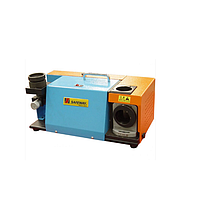
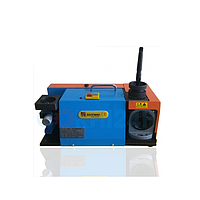
Drill Sharpener
Keeping drill bits in usable condition is a practical way to reduce tooling cost, improve hole quality, and avoid unnecessary downtime in workshops, maintenance departments, and small production environments. When bits become dull, operators often see higher cutting force, poor centering, heat buildup, and inconsistent results. A dedicated Drill Sharpener helps restore cutting geometry more consistently than manual touch-up methods.
This category brings together equipment designed for regrinding common drill bits with better repeatability and faster setup. It is especially relevant for users who regularly work with HSS drills and need a compact, bench-friendly solution for routine sharpening rather than replacing worn tools too early.
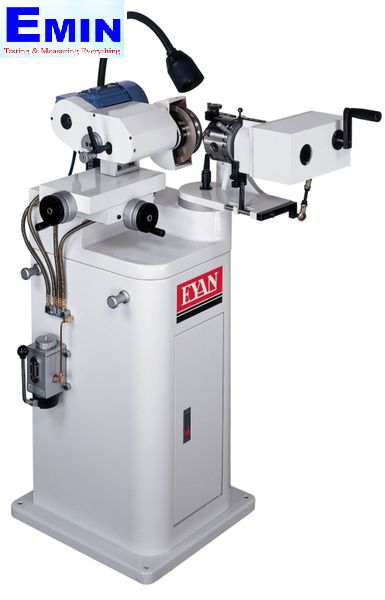
Why drill sharpening matters in day-to-day operations
In many industrial and maintenance settings, drill performance has a direct impact on machining accuracy and tool life. A dull bit can increase vibration, produce oversized holes, and place more load on the spindle or handheld drilling equipment. Re-sharpening helps maintain a more stable cutting edge and supports smoother drilling performance across repeated jobs.
For B2B buyers, the value of a drill sharpener is not only in the tool itself, but in the ability to standardize basic maintenance. Instead of relying entirely on operator skill with handheld grinding methods, a sharpening machine gives a more controlled process for restoring point angle and edge condition.
Typical equipment found in this category
This category focuses on machines intended for sharpening drill bits over practical diameter ranges used in workshops and light industrial environments. A representative example is the Safeway lineup, which includes compact drill and bit grinding equipment for routine reconditioning tasks.
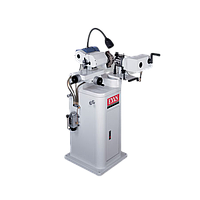
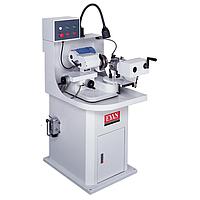
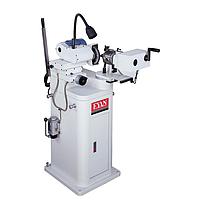
The Safeway SA-2000 Drill Sharpener is suited to smaller drill diameters, covering a range from Ø3-20 mm. For larger tools, the Safeway SA-2500 Bit Grinder supports Ø12-26 mm, making it useful where a broader bit size range is part of daily work. These examples show how buyers can choose equipment based on the actual drill sizes used on the shop floor rather than selecting a one-size-fits-all solution.
How a drill sharpener fits into a workshop tool maintenance workflow
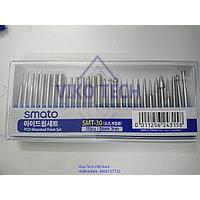
A bench-top sharpening machine is often part of a wider maintenance setup that includes cutting tools, grinding accessories, and machine support utilities. In some cases, users may also require finishing or touch-up accessories such as mounted grinding points for specific detailing tasks. For that context, products from Smato, such as the SMT-30 Mounted Point Set, may complement broader workshop grinding and maintenance needs.
Although drill sharpening is a focused application, it often supports larger production reliability goals. Better maintained drills can help reduce scrap, shorten setup interruptions, and improve consistency in drilling operations across fabrication, repair, and general industrial use.
Key selection criteria before buying
The first factor to review is bit diameter range. A machine optimized for small drills may not be suitable for larger diameters, so buyers should compare the tool sizes they use most frequently with the machine’s intended range. Choosing the right range helps avoid underutilizing the equipment or needing an additional machine later.
The second factor is compatibility with the drill material and sharpening method. In this category, the listed examples are intended for HSS drill bits, which are widely used in general metalworking and maintenance applications. Buyers should also look at collet arrangement, grinding wheel type, and operating format, since these details affect setup convenience and repeatability.
Power supply and machine footprint are also practical considerations. Compact single-phase units are often preferred for maintenance rooms, tool cribs, and smaller workshops where easy installation matters as much as sharpening capability.
What to expect from compact drill sharpening machines
Most compact units in this category are designed to simplify the sharpening process by guiding the bit into a controlled grinding position. This approach helps users restore common point geometries with less dependence on freehand grinding technique. The result is a more repeatable edge shape, especially useful when multiple operators share the same equipment.
Machines such as the Safeway SA-2000 and SA-2500 illustrate the practical differences buyers should compare: supported diameter range, collet system, wheel specification, and machine size. These are not just specification details; they influence how quickly operators can change over between drill sizes and how well the machine fits the intended workload.
Related equipment in industrial machinery environments
Drill sharpening is one part of a broader machinery ecosystem where process support equipment also plays an important role. Depending on the production environment, buyers may also evaluate utilities such as compressed air treatment equipment for pneumatic systems or an industrial water cooler / chiller for temperature-sensitive machinery and process stability.
These categories serve different functions, but they reflect the same purchasing logic: selecting reliable support equipment that helps maintain machine performance, reduce interruptions, and improve day-to-day operational control.
Who typically buys drill sharpeners?
This category is relevant for maintenance teams, metalworking workshops, general fabrication shops, technical training environments, and service departments that consume drill bits regularly. It is particularly useful where drill wear is frequent but replacing tools at the first sign of dullness is not cost-effective.
Procurement teams and workshop managers often look for a balance between ease of use, supported bit range, and practical installation requirements. In those cases, a compact sharpening solution can be a sensible addition to the tool maintenance process without demanding a large machine footprint or a complex setup.
Choosing the right drill sharpener for your application
The best approach is to start with the drills you already use every day: their diameter range, material type, and how often they need reconditioning. From there, compare whether a model intended for smaller drills like the Safeway SA-2000 or a larger-capacity option like the SA-2500 better matches your workflow.
A well-matched drill sharpening system can help extend tool usability, support more consistent drilling quality, and make routine maintenance more predictable. For buyers sourcing industrial machinery online, this category provides a practical starting point for selecting sharpening equipment that fits real workshop requirements.
Get exclusive volume discounts, bulk pricing updates, and new product alerts delivered directly to your inbox.
By subscribing, you agree to our Terms of Service and Privacy Policy.
Direct access to our certified experts