Mixer, grinder, mill
Size reduction, dispersion, and homogeneous mixing are critical steps in many production lines. Whether the task involves powders, suspensions, viscous liquids, or specialty process materials, the right equipment helps improve consistency, throughput, and downstream handling. This category brings together mixer, grinder, mill solutions for different processing scales, from compact pulverizing units to larger industrial colloid and vortex-layer systems.
For buyers comparing process equipment, the key is not only machine size but also the type of material being handled, the target particle size or dispersion level, batch or continuous operation, and the role of the unit within a wider production setup. That is why this range includes both laboratory or small-batch pulverizing machines and higher-capacity industrial systems designed for more demanding process environments.
Equipment types covered in this category
This selection spans several process functions that are often related but not identical. A grinder or pulverizing machine is typically used to reduce dry material into finer particles, while a mill may be used for wet processing, emulsification, or colloidal dispersion. A mixer focuses on blending ingredients or maintaining uniformity, especially where solids must remain suspended or where liquids need controlled agitation.
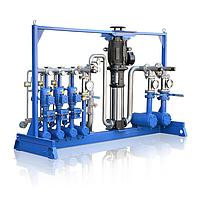
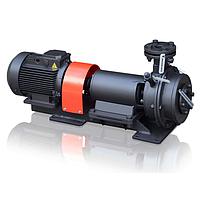
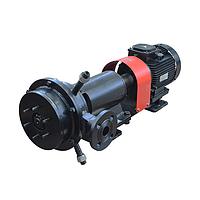
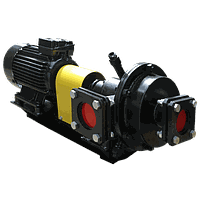
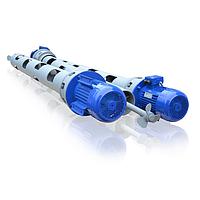
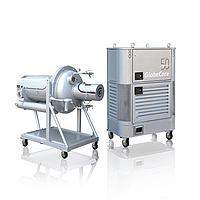
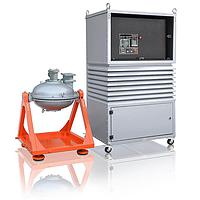
Within this category, examples include compact RT pulverizing machines for smaller batch preparation, as well as industrial process units from GlobeCore such as colloid mills, impeller stirrers, and vortex-layer devices. This mix of equipment makes the category relevant for users working in material preparation, chemical processing, sample preparation, and fluid treatment applications.
Where mixer, grinder, and mill systems are commonly used
These machines are used across a wide range of industrial workflows where material uniformity matters. Common needs include powder preparation before testing, grinding of feed material for further process steps, dispersion of solids into liquids, emulsification, and circulation-based mixing for process stability. In many cases, equipment in this category supports product quality by helping control particle size, texture, and mixing consistency.
Depending on the process, a grinder may be the first step in preparing a raw material, while a colloid mill or high-energy mixing device may be used later to refine the mixture. In utilities or process support systems, related equipment such as an industrial water cooler or chiller can also be relevant when temperature control is important during continuous operation.
Examples of machines in the range
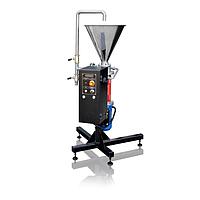
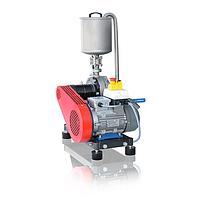
For compact dry grinding applications, RT offers smaller-capacity pulverizing machines such as the RT-02A 150g model, along with larger RT-N08 350g and RT-N12 450g versions. These units are suited to batch-oriented material preparation where footprint, simple operation, and rapid pulverizing are more important than large continuous throughput. Their power and speed profiles make them relevant for users who need efficient fine grinding in a relatively compact format.
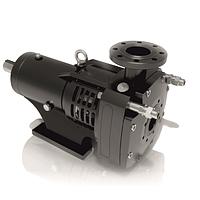
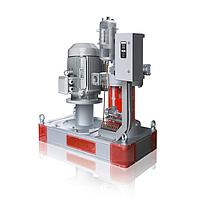
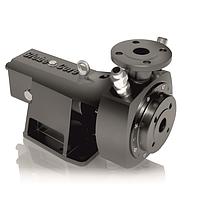
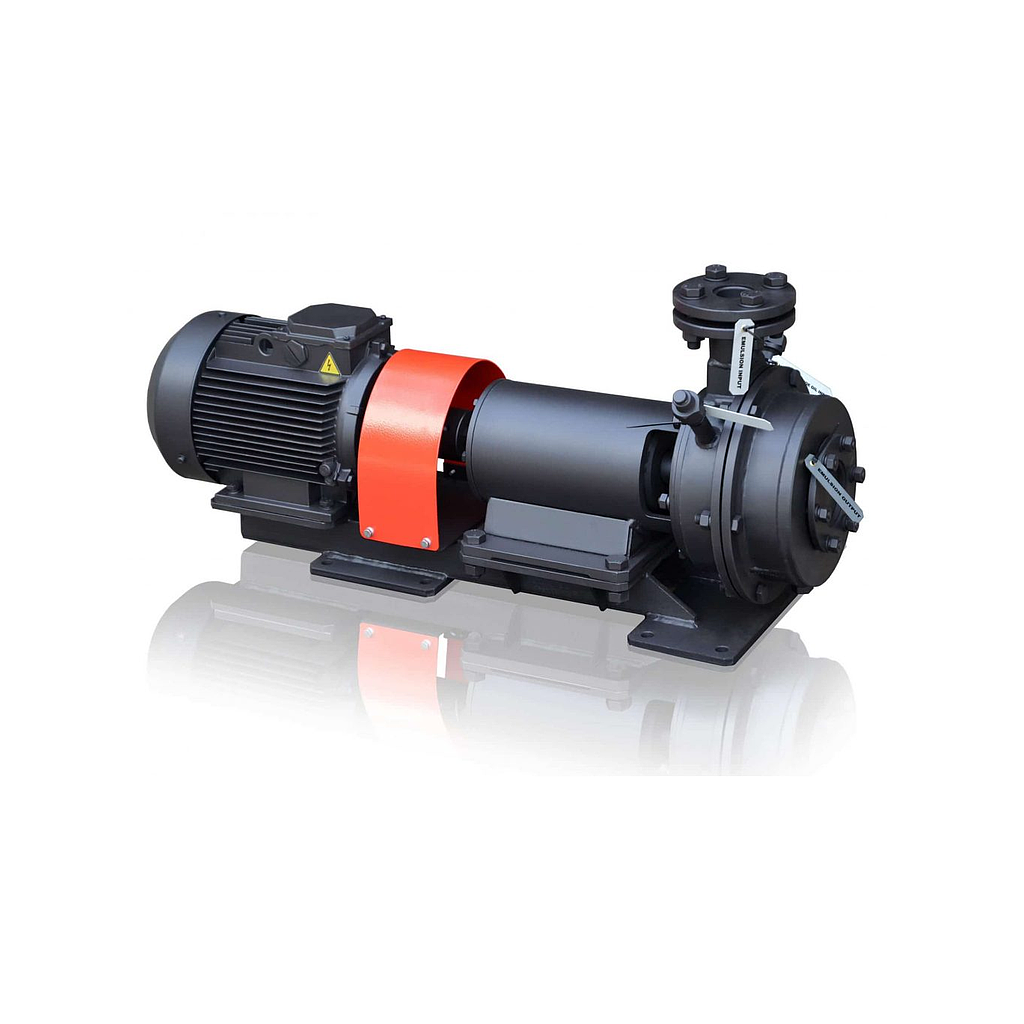
For industrial fluid processing, GlobeCore provides several colloid mill options with very different capacities. Models such as the CLM-200.2 support lower-volume processing, while units like the CLM-18, CLM-4, CLM-22, and CLM-10/20 address larger process demands. The range also includes the USB-4 impeller stirrer, AVS-150 chemical mixing machine, and AVSp semi-automated vortex-layer devices, which are more suitable for intensive mixing, suspension preparation, and specialized process treatment than simple dry grinding.
How to choose the right machine for your process
A practical starting point is to define the material state: dry solid, slurry, viscous liquid, or multiphase mixture. Dry powders and granules often point toward pulverizing equipment, while emulsions, suspensions, and recirculating liquid processes more often require a mill or mixer designed for wet processing. The target result also matters: coarse breakdown, fine pulverization, controlled dispersion, or stable homogenization each suggests a different machine type.
Capacity is another major factor. Small-batch preparation may be served by compact RT units, while higher-volume industrial lines often require GlobeCore systems with continuous or semi-automated process capability. Buyers should also consider motor power, operating speed, installation space, feed and discharge arrangement, and how the machine fits with upstream and downstream equipment such as dosing, pumping, cooling, or filtration systems.
If the application is part of a broader production or sample-preparation workflow, adjacent equipment categories may also be worth reviewing. For example, operations involving representative raw material preparation may connect with a mineral sampling system before grinding or analysis.
Understanding the difference between grinding, milling, and mixing
Although these terms are often grouped together in purchasing searches, they describe different process objectives. Grinding usually focuses on particle size reduction, especially for dry or brittle materials. Milling can involve finer reduction and, in the case of colloid mills, high-shear processing that improves dispersion and emulsion quality in liquids and semi-liquids.
Mixing is centered on achieving uniform composition rather than reducing particle size alone. Equipment such as impeller stirrers and vortex-layer devices is typically chosen when the process calls for blending, suspension maintenance, or enhanced interaction between phases. In real production environments, these functions often overlap, so the final machine choice should be based on the dominant process requirement rather than terminology alone.
Manufacturer focus in this category
RT is represented here primarily through compact pulverizing machines, making it relevant for users looking for straightforward grinding solutions in smaller batch sizes. These models can be a practical fit where users need a dedicated machine for material preparation without moving into more complex industrial processing systems.
GlobeCore is more strongly associated with industrial-scale processing in this category, including colloid mills, stirrers, and vortex-layer equipment. That broader equipment profile is useful for buyers evaluating not only size reduction but also process intensification, liquid-phase treatment, and integrated production requirements.
Selection considerations for B2B procurement
For industrial purchasing teams, machine selection should account for more than nominal capacity. It is important to confirm the expected duty cycle, utility requirements, maintenance access, and compatibility with the processed media. When comparing alternatives, it is also useful to look at whether the machine is intended for batch work, in-line service, or semi-automated operation, since this affects both productivity and integration cost.
Environmental and process conditions should also be reviewed early. Temperature, viscosity, abrasion level, and cleanliness requirements can significantly influence the most suitable equipment type. Where compressed utilities are part of the installation, related compressed air treatment equipment may also support stable and reliable operation in the wider plant environment.
Find a suitable mixer, grinder, or mill for your application
This category is designed for buyers who need a clearer path through different processing methods rather than a simple product list. From compact RT pulverizing machines to larger GlobeCore mills and mixers, the range supports both small-batch preparation and more demanding industrial processing tasks.
If you are comparing options, focus on material type, required fineness or dispersion, throughput, and process integration. With those points defined, it becomes much easier to identify a mixer, grinder, or mill that fits the application and supports reliable day-to-day operation.
Get exclusive volume discounts, bulk pricing updates, and new product alerts delivered directly to your inbox.
By subscribing, you agree to our Terms of Service and Privacy Policy.
Direct access to our certified experts