
Shaping Machine
Accurate surface finishing and controlled material removal are essential in many fabrication and woodworking workflows. When a process requires consistent shaping, flattening, or sizing, choosing the right Shaping Machine helps improve repeatability, reduce manual correction, and keep production moving efficiently.
On this page, buyers can explore shaping equipment used in industrial and workshop environments, with a focus on practical selection criteria, common applications, and how these machines fit into broader material-processing systems. Whether the priority is dimensional consistency, surface quality, or stable feed performance, understanding the category first makes sourcing easier.
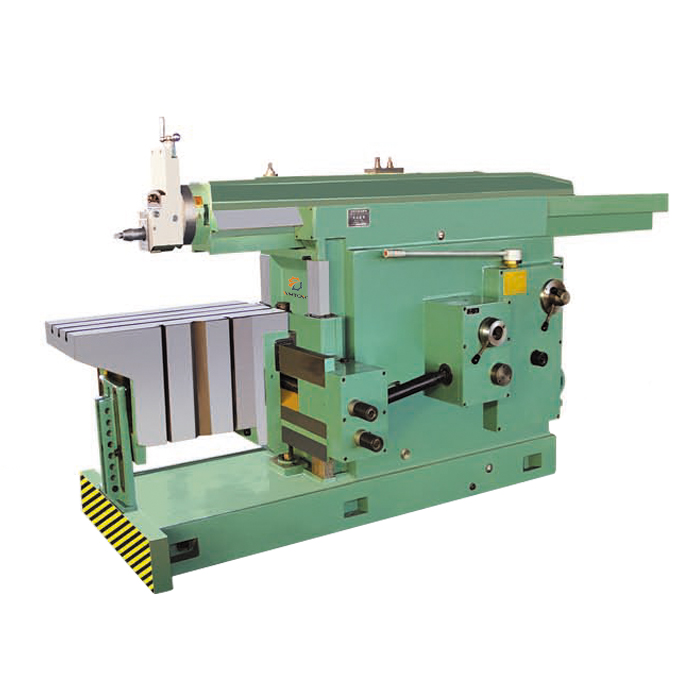
Where shaping machines are used
Shaping machines are commonly selected for operations where a workpiece needs to be trimmed, leveled, profiled, or brought to a more uniform thickness or surface condition. In real production settings, this can support woodworking, light fabrication, and other processing tasks that depend on a controlled cutting path and stable feeding of material.
They are often part of a larger machinery workflow rather than a standalone purchase decision. For example, shaping may be followed by packaging, cooling, or downstream handling depending on the production line. In facilities with multiple process stages, related equipment such as paper processing machinery or a dedicated heat shrinking machine may sit alongside shaping operations in broader finishing and preparation lines.
What to consider when selecting a shaping machine
The right machine depends on the material being processed, the required finish, and the expected throughput. Buyers typically start by checking the working width, achievable cutting depth, feed behavior, and overall machine footprint. These factors affect not only output quality but also how easily the machine can be integrated into an existing workspace.
It is also important to assess material consistency, operator workload, and maintenance access. A machine that performs well in short-run work may not be ideal for repetitive production if setup changes are frequent or if chip extraction and cleaning are difficult. In industrial purchasing, the most suitable option is usually the one that aligns with the process requirement rather than the one with the most aggressive specification on paper.
Illustrative equipment within this category context
One representative product in this context is the MAKITA 2012NB Power Planer (304mm). This type of equipment is relevant when users need controlled planing across a defined width, with predictable feed and a compact machine format that can support workshop or light industrial use. Instead of viewing it only as an individual tool, it is more useful to understand it as part of the shaping and surface-preparation workflow.
The listed machine includes a 304 mm cutting width and is intended for material reduction within specified cutting-depth ranges. Details such as input power, feed rate, table dimensions, and machine weight help buyers judge whether the unit matches their expected duty level, available space, and handling needs. For buyers standardizing around a known brand ecosystem, the MAKITA product range may also be relevant when comparing compatible equipment and procurement preferences.
Key buying criteria for industrial and B2B sourcing
When purchasing for business use, the decision should go beyond headline performance figures. A shaping machine should be evaluated based on process stability, expected operating hours, ease of setup, and how reliably it handles the actual stock dimensions used on site. This is especially important in environments where rework, waste reduction, and turnaround time directly affect cost.
Buyers should also consider installation conditions, operator safety procedures, and support for routine servicing. Machine dimensions, net weight, power requirements, and table configuration can all influence where the unit is placed and how it is used day to day. In some facilities, supporting infrastructure such as industrial water cooler or chiller systems may also be relevant where temperature control is part of the broader production environment.
How shaping machines fit into a production workflow
In practice, shaping equipment often sits between raw material preparation and final finishing or assembly. The goal is not only to remove material, but to create a more controlled starting point for subsequent operations. That makes machine consistency, feed behavior, and surface result more important than isolated speed claims.
For workshop-scale users, this may mean improving finish quality before assembly or coating. For industrial users, it may mean supporting a repeatable sequence where each stage depends on accurate dimensions from the previous one. When shaping is part of a compressed-air-supported production setup, related categories such as compressed air treatment equipment may also help maintain system reliability across the plant.
Choosing with confidence
A well-matched shaping solution should support the actual production task, not just meet a generic machine description. Comparing working width, cutting capacity, feed characteristics, layout constraints, and brand preference will usually provide a clearer basis for selection than relying on one specification alone.
This category is best approached as part of a wider processing system: the right equipment helps improve finish quality, workflow consistency, and day-to-day usability. If you are evaluating options for workshop or industrial material preparation, reviewing the application requirements first will make it easier to identify the most suitable shaping machine for your operation.
Get exclusive volume discounts, bulk pricing updates, and new product alerts delivered directly to your inbox.
By subscribing, you agree to our Terms of Service and Privacy Policy.
Direct access to our certified experts
